UK Air Traffic Control Failure Sparks Outrage From EasyJet and Ryanair as Thousands of Flights Disrupted
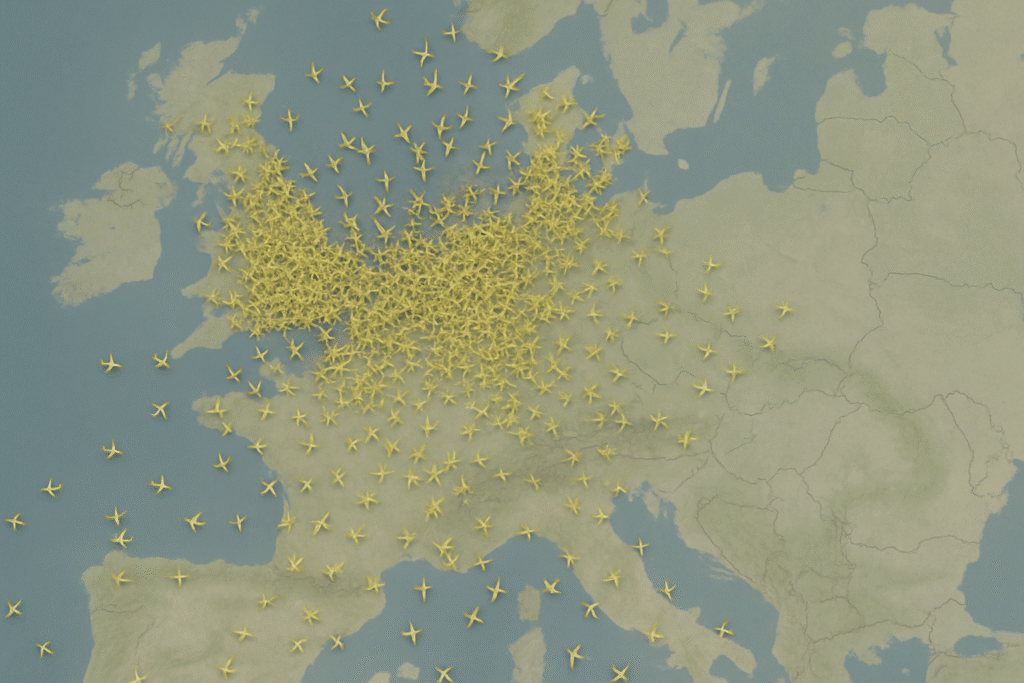
A sudden and widespread technical malfunction at the UK’s National Air Traffic Services (NATS) brought the nation’s aviation system to its knees on Wednesday, leaving tens of thousands of passengers stranded and prompting harsh criticism from major airlines EasyJet and Ryanair. The disruption affected airports across the UK, including Heathrow, Gatwick, Manchester, and Edinburgh, forcing widespread flight cancellations and delays during a peak summer travel period.
According to NATS, the failure occurred at the Swanwick control centre in Hampshire—one of the country’s main hubs for managing UK airspace. The issue reportedly stemmed from a system used to process live flight plans, causing an immediate halt to all outbound flights and severe constraints on arrivals.
System Breakdown Triggers Nationwide Delays
The airspace disruption lasted approximately 40 minutes, but the ripple effects continued throughout the day and into the night. By late evening, over 84 departing flights and 71 arrivals were cancelled, according to FlightRadar24. Heathrow Airport, the UK’s busiest hub, bore the brunt of the impact, followed by Gatwick, Manchester, and Birmingham.
The Civil Aviation Authority (CAA) confirmed that inbound flights were allowed to land under controlled monitoring, but ground operations quickly became overwhelmed as outbound planes filled taxiways and terminals. Some aircraft already loaded with passengers were forced to return to gates, while others never left the runway.
Air traffic resumed later in the day, but the massive backlog of disrupted flights and displaced crews led to prolonged delays across domestic, European, and transatlantic routes.
Airlines Slam Outdated Infrastructure
Both EasyJet and Ryanair issued public statements condemning the failure and demanding urgent government and regulatory action. EasyJet CEO Johan Lundgren said, “It is unacceptable that such a critical failure can paralyze the entire UK airspace. Our passengers deserve better.”
Ryanair, which was forced to cancel dozens of short-haul services, accused NATS of relying on outdated technology and insufficient redundancy systems. In a strongly worded release, Ryanair’s operations chief, Neal McMahon, stated: “A 40-minute failure should not cripple a nation’s entire aviation sector. The lack of backup and recovery protocols is staggering.”
The calls for accountability have been echoed by industry analysts and aviation watchdogs, many of whom argue that the UK’s air traffic control infrastructure has long been in need of modernization.
Passenger Frustration Mounts
Scenes of confusion unfolded at airports across the UK. Passengers described long queues, inadequate updates, and limited assistance. Some international travelers missed connections or lost hotel bookings due to the cascading delays. Social media was flooded with posts of overcrowded terminals, passengers sleeping on floors, and customer service desks overwhelmed with rebooking requests.
Airports deployed additional staff, offered food vouchers, and arranged hotel accommodations for stranded passengers. However, the scale of disruption meant that many customers still faced hours-long waits to receive information or reroute their travel.
By Thursday morning, most UK airports had resumed scheduled flights, but residual delays and aircraft repositioning continued to affect operations throughout the day.
NATS Faces Mounting Pressure for Reform
This latest crisis has intensified scrutiny of NATS, a partly government-owned entity responsible for managing UK airspace. The Department for Transport (DfT) has confirmed that a full-scale investigation is now underway.
In a statement, Transport Secretary Harriet Jones said: “We are committed to ensuring our national aviation systems are resilient, especially during peak travel periods. The public must have confidence that our infrastructure can handle both expected and unexpected events.”
Aviation experts have long warned about the vulnerability of the UK’s aging air traffic control systems. A 2023 report by the UK Aviation Board highlighted the need for increased investment in automation, redundancy, and digital modernization to cope with growing air travel demand and climate-related disruptions.
The EUROCONTROL body, which coordinates air traffic management across Europe, has also previously flagged concerns about cross-border aviation coordination and emphasized the importance of real-time flight data sharing systems—especially in densely trafficked corridors like the UK.
What Comes Next?
The Swanwick technical failure has become a stark reminder of how a single point of failure can shut down one of the world’s busiest aviation networks. As pressure mounts on NATS and government bodies to act, industry stakeholders are pushing for accelerated investment in next-generation systems, including AI-based flight management tools and cloud-integrated redundancy systems.
Meanwhile, passengers are left with delayed plans, rebooked flights, and disrupted holidays. For airlines, the financial and reputational damage adds to an already challenging summer shaped by staffing shortages, weather delays, and rising operational costs.
In the days ahead, travel authorities are expected to issue updated passenger rights guidance and compensation procedures, while airlines brace for continued operational strain.
Conclusion:
As the UK prepares for its busiest summer travel weeks, the urgent need for resilient air traffic control infrastructure has taken center stage. The disruption may have passed, but its lessons—and consequences—will shape the country’s aviation strategy moving forward.
For more travel news like this, keep reading Global Travel Wire