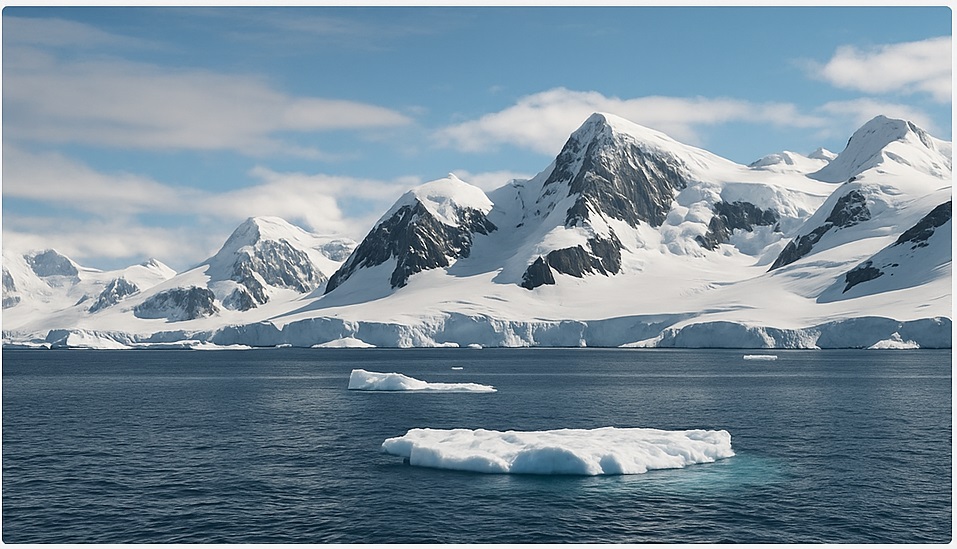
Antarctica’s allure as the ultimate frontier for adventure tourism is tempered by a recent US Department of State advisory. On July 28, 2025, the Department elevated its guidance for American travelers to Level 2—“exercise increased caution”—citing extreme cold, sudden storms and shifting sea ice as serious hazards. Unlike typical vacation spots, Antarctica offers no local hospitals, embassies or on‐site rescue teams; medical evacuation can take days or even weeks. For travel professionals, this underscores the importance of rigorous pre‐trip planning, comprehensive risk assessment, and clear communication with clients about the challenging realities of polar exploration.
In light of the State Department’s warning, major cruise lines and expedition outfitters have accelerated safety enhancements. Leaders in Antarctic travel—Quark Expeditions, Lindblad Expeditions, Silversea Cruises and others—have upgraded onboard medical bays, adopted polar‐code vessels and intensified crew training in cold‐weather rescue procedures. Satellite‐linked communication systems now ensure constant contact with support ships, while hybrid propulsion designs enable safer navigation through ice‐choked waters. These measures not only address official concerns but also bolster consumer confidence in a market where safety credentials can make or break bookings.
Governance of Antarctic tourism rests on the Antarctic Treaty System, a cooperative international framework preserving the continent for peaceful and scientific purposes. Under this treaty, the International Association of Antarctic Tour Operators (IAATO) sets mandatory visitor limits, wildlife protection rules and waste‐management protocols. Supplementing IAATO, the International Maritime Organization’s Polar Code enforces strict design and operational standards for any vessel operating in polar regions. Together, these regulations form the backbone of responsible expedition planning, ensuring tours are both environmentally sensitive and geared toward maximum traveler safety.
The Antarctic tourism market has witnessed robust growth over the past decade, driven by rising demand for immersive, once‐in‐a‐lifetime experiences. IAATO projects more than 80,000 visitors during the 2024–2025 season, with an extra 36,000 participating via cruise‐only ships that remain offshore. The Southern Hemisphere summer window—from November through March—offers the mildest conditions and peak wildlife activity, drawing visitors eager to witness penguin colonies, whale migrations and towering iceberg formations. This surge reflects a broader industry trend: affluent travelers increasingly prioritize journey‐defining, eco‐focused adventures over conventional resort stays.
Logistically, Antarctic voyages embark from gateway cities such as Ushuaia, Argentina; Punta Arenas, Chile; and Bluff, New Zealand. These departure ports funnel vessels across the notorious Drake Passage or Scotia Sea to the Antarctic Peninsula. Ship categories range from large “cruise‐only” vessels—limited to onboard water‐level viewing—to nimble, ice‐hardened expedition ships that facilitate zodiac landings at designated IAATO sites. For guests seeking the most authentic experiences, smaller vessels allow disembarkation on glacial shores, providing up‐close encounters with wildlife and landscapes that few travelers ever witness.
Given these inherent risks, thorough risk management strategies are essential. Travel advisors now routinely recommend polar‐specific insurance packages covering helicopter evacuation, repatriation and trip interruption. Onboard safety officers oversee pre‐embarkation briefings, ice‐condition monitoring and emergency drills. Cutting‐edge operators deploy drones to scout prospective landing sites, ensuring conditions are safe before any group sets foot on the ice. These innovations, combined with mandatory cold‐weather training sessions, help mitigate the unpredictability of this remote region.
Sustainability is equally pivotal in Antarctic tourism. Strict biosecurity measures require travelers to disinfect boots and gear, preventing the introduction of invasive species. Industry‐standard waste protocols mandate that all refuse be stored onboard until proper disposal at port, and advanced wastewater systems minimize ecological impact. Many operators allocate a portion of ticket fees toward scientific research, habitat monitoring and climate‐impact studies. Such initiatives reinforce the industry’s commitment to preserving Antarctica’s pristine environment for future generations of explorers.
For travel agencies and cruise professionals, the recent advisory represents both a call to action and an opportunity to reinforce expertise. Agents should collaborate solely with IAATO‐approved operators, verify vessel certification under the Polar Code, and guide clients through the Department’s Smart Traveler Enrollment Program (STEP) for timely safety alerts. Transparent conversations about extreme weather gear, health prerequisites and environmental responsibilities will align expectations and reduce in‐trip surprises. By combining meticulous planning, strict regulatory compliance and sustainable practices, the industry can deliver awe‐inspiring Antarctic adventures without compromising safety or conservation.
Antarctic travel remains one of the world’s most extraordinary expedition experiences, offering unrivaled wildlife spectacles and otherworldly scenery. The US State Department’s Level 2 advisory serves as a reminder of the continent’s unforgiving environment and the critical need for detailed preparation. By embracing industry best practices—from IAATO guidelines to advanced safety technologies—travel professionals can ensure that the dream of exploring Antarctica endures as an accessible, safe and sustainable journey for adventurers in 2025 and beyond.
Read more cruise stories- follow Global Travel Wire.
Disclaimer: This image is AI generated and may bear no resemblance with actual fact or images.