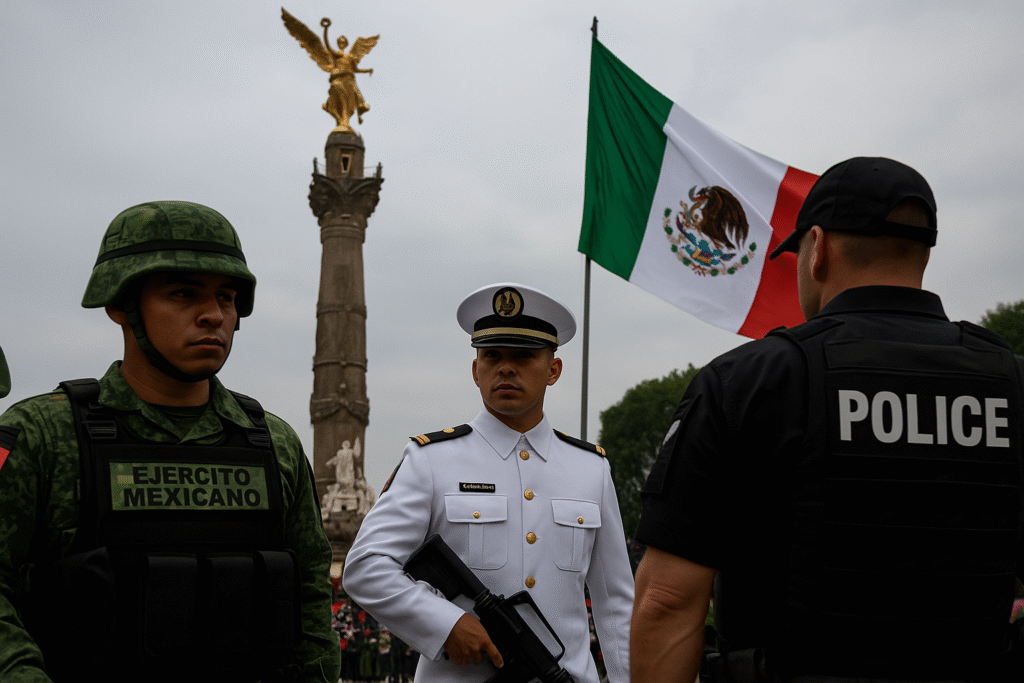
Mexico has entered a period of heightened scrutiny from international governments as multiple countries, including the United States, Germany, Italy, Canada, and Australia, issued updated travel advisories. The warnings come as the nation prepares for its annual Independence Day festivities on September 16, which coincide with temporary closures at Mexico City’s Benito Juarez International Airport and increased security operations across the country.
These advisories highlight concerns not only about logistical challenges caused by the celebrations but also about ongoing criminal activity, violent crime, and risks associated with large public gatherings. International authorities are urging travelers to exercise extreme caution or reconsider non-essential visits to certain regions of Mexico during this period.
Mexico Independence Day and Airport Disruptions
Mexico’s Independence Day is a national celebration marked by parades, concerts, and cultural displays. The most notable event is the military parade in Mexico City, which necessitates significant road closures and heavy security deployments. This year, authorities have announced that Benito Juarez International Airport will temporarily close between 9:00 a.m. and 2:00 p.m. on September 16, directly impacting international and domestic flights.
The closure adds to existing travel complications, as traffic congestion, rerouted public transport, and restricted access to key areas of the city create challenges for visitors. For tourists, this means not only possible delays in travel schedules but also higher levels of stress navigating congested areas already under increased surveillance.
United States: Level 3 Advisory
The US Department of State has issued a Level 3 “Reconsider Travel” advisory for several Mexican states due to elevated risks of violent crime, kidnapping, and cartel activity. Specific areas flagged include:
- Chihuahua: Popular with tourists for Copper Canyon, yet rural areas face rising gang violence.
- Sinaloa: While Mazatlán and Los Mochis remain relatively safe, much of the state is under cartel control.
- Tamaulipas: Border cities such as Nuevo Laredo and Matamoros remain extremely dangerous with “Do Not Travel” warnings.
- Zacatecas: Organized crime has escalated, prompting American travelers to avoid non-essential visits.
Germany: Caution Around Festivities
Germany’s Foreign Office has urged its citizens to avoid regions where cartel activity is dominant. Authorities emphasized that National Day celebrations, while cultural highlights, could become unpredictable due to the potential for demonstrations or sudden violence. Notable high-risk states include:
- Colima: Tourist areas like Manzanillo remain accessible, but rural zones face violence tied to drug groups.
- Guerrero: Acapulco and surrounding regions continue to struggle with gang-related crime.
- Michoacán: Despite attractions such as the Monarch Butterfly Reserve, violent outbreaks make certain towns unsafe.
- Sinaloa: Similar to US warnings, Mazatlán remains the safer exception.
Italy: Organized Crime Concerns
The Italian Ministry of Foreign Affairs has echoed similar alerts, warning citizens about kidnapping risks and violent incidents. The advisory notes:
- Chiapas: Near the Guatemala border, violence is rising, making travel hazardous.
- Jalisco: Guadalajara is relatively safe, but southern regions near Michoacán remain unstable.
- Sonora: Tourist spots like Puerto Peñasco are open, though border towns face heightened risks.
Canada: Increased Security Risks
Canada has also urged its citizens to exercise a high degree of caution, highlighting similar regions of concern. Advisories mention cartel activity in:
- Chihuahua: Only Chihuahua City is considered moderately safe.
- Michoacán: Major tourist zones are open but rural areas remain unstable.
- Tamaulipas: Border towns are especially dangerous, with reports of kidnappings.
- Sinaloa: Limited safety exceptions exist in coastal cities.
Australia: Warnings on Border Areas
The Australian Government has taken a firm stance, advising its citizens to reconsider travel altogether if possible. It highlighted escalating threats in:
- Sinaloa: Mazatlán remains a safer choice, but Los Mochis and rural routes are high-risk.
- Guerrero: Acapulco is especially volatile during the festivities.
- Jalisco: Guadalajara is accessible but border zones near Michoacán are not recommended.
- Tamaulipas: Considered extremely unsafe due to cartel influence.
Practical Advice for Travelers
For those who continue with travel plans to Mexico during this period, several precautions are strongly recommended:
- Travel Insurance: Comprehensive policies covering medical emergencies, evacuations, and trip cancellations are essential.
- Avoid Public Gatherings: Parades, rallies, or demonstrations during Independence Day could become targets for violence.
- Stay Updated: Regularly monitor local news and government advisories for changes.
- Emergency Contacts: Keep embassy numbers, local emergency services, and a functioning local SIM card readily available.
- Secure Accommodation: Stay in reputable hotels and avoid poorly lit or remote areas at night.
- Safe Transport: Rely on registered transport services rather than street-hailing taxis in high-risk zones.
Balancing Celebration and Caution
Mexico’s Independence Day remains one of the country’s most celebrated cultural traditions, drawing both locals and international visitors. However, the convergence of festivities, temporary airport closures, and ongoing cartel-related violence has created a complex travel environment.
By recognizing the risks, following official guidance, and preparing for possible disruptions, travelers can make informed decisions. For many, the safest option may be postponing trips until after the holiday period, when airports and transport systems resume normal operations and security concerns ease.
For more travel news like this, keep reading Global Travel Wire