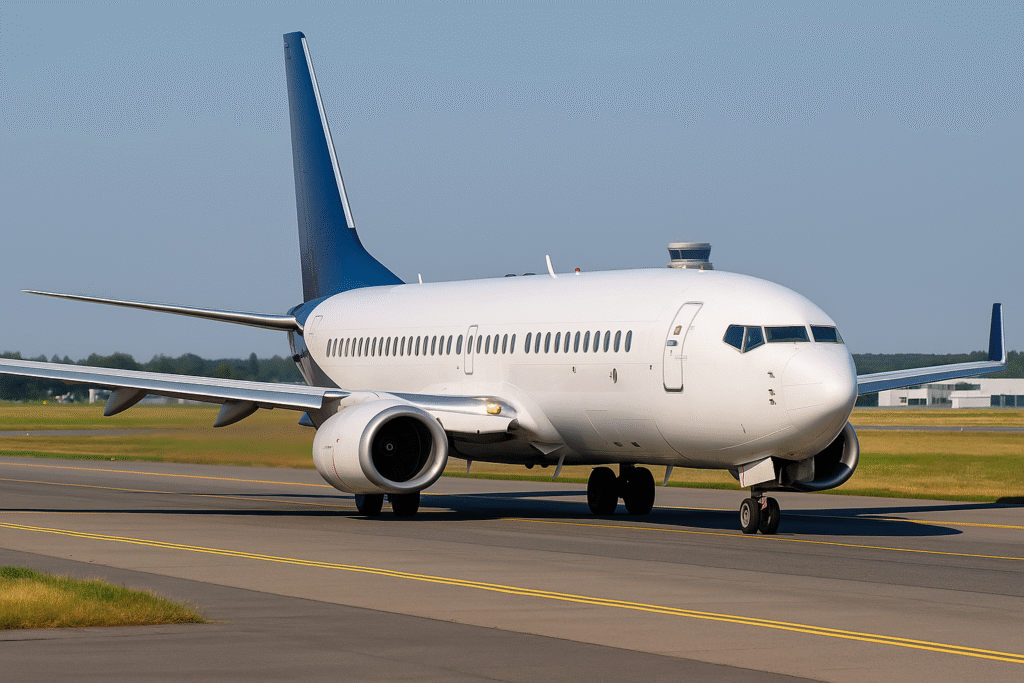
The Nigerian Airspace Management Agency (NAMA) wants immediate revision of the N11,000 airline flight tariff. The agency says the tariff no longer matches today’s economic realities. Rising costs and inflation have made the charge outdated.
The tariff, introduced in 2008, once supported air navigation services. It covered essential costs of aviation operations. But inflation, fuel hikes, and global shifts now make that charge insufficient. The agency warns that the aviation sector cannot remain sustainable without change.
Call for Modernization
NAMA explained its position at a retreat in Abuja. The event focused on aviation trends, sustainability, and digital transformation. Members of the House Committee on Aviation attended the program. Discussions centered on how outdated tariffs affect the aviation sector.
NAMA highlighted that the tariff has stayed unchanged for over a decade. The agency invests heavily in safety and modern technology. These upgrades include surveillance systems, landing aids, and advanced communication tools. Each upgrade costs money. Current charges cannot cover these expenses.
Focus on Safety and Growth
NAMA insists on cost recovery, not profit. All charges fund essential services and infrastructure. Safe flights require constant improvements. The agency explained that without updated tariffs, future investments may stall. Airlines, travelers, and tourism could all suffer.
Nigeria’s aviation industry faces rapid growth. More airlines, more passengers, and more international routes increase pressure. Demand for reliable air navigation rises daily. But funding gaps prevent timely upgrades. An outdated tariff slows the industry.
Dialogue with Airlines
NAMA has tried to engage airlines. The agency wants agreement on tariff revision. Airlines resist change, citing ticket costs and passenger demand. Negotiations stall because airlines fear higher fares.
However, experts argue the opposite. Delaying tariff reform risks safety and efficiency. Airlines may save money now but face bigger problems later. Old infrastructure cannot serve new aviation demands. Delays could damage Nigeria’s reputation among international carriers.
Lawmakers Show Concern
The House Committee on Aviation expressed strong interest in NAMA’s call. Lawmakers recognized the role of aviation in national development. Tourism, trade, and business all rely on reliable flights. Without proper investment, the industry cannot meet global standards.
Committee members agreed that financial structures must reflect current realities. They stressed that aviation growth benefits the economy. Nigeria must remain competitive in Africa’s aviation market. A realistic tariff can help achieve that goal.
Economic Importance
Aviation links Nigeria to the world. Tourists, investors, and traders depend on efficient flights. NAMA explained that without proper funding, air navigation services risk decline. Outdated tariffs create gaps in revenue. These gaps slow progress and weaken competitiveness.
Other countries regularly adjust aviation charges. They review costs and match them with inflation and technology upgrades. Nigeria, however, still holds to a 2008 structure. This creates a disadvantage in global aviation.
The Tourism Angle
Tourism depends on modern airports and safe airspace. Visitors expect smooth operations and safe travel. Delayed upgrades could damage Nigeria’s tourism appeal. NAMA highlighted that tourism growth ties directly to aviation safety and reliability.
By updating charges, Nigeria can assure visitors of world-class aviation standards. Better services attract more travelers. Tourism flourishes when infrastructure meets international expectations.
Shared Responsibility
NAMA stressed that the solution requires teamwork. The agency cannot act alone. Airlines, lawmakers, and regulators must collaborate. Only joint action can create a fair and sustainable tariff structure.
Stakeholders need honest dialogue. Airlines should recognize long-term benefits. Lawmakers must support reform policies. Regulators must ensure funds support safety and efficiency. Together, these groups can strengthen Nigeria’s aviation system.
Future Outlook
NAMA’s goal is clear: safe, modern, and reliable air navigation. The current tariff blocks that mission. The agency continues pushing for reform. Nigeria must adapt to global standards and ensure aviation safety.
The aviation sector needs ongoing investments. Fuel costs, technology demands, and rising passenger numbers require steady funding. With a revised tariff, NAMA can continue upgrading systems and keeping airspace safe.
Conclusion
Nigeria’s N11,000 flight tariff no longer matches today’s costs. NAMA urges immediate revision to secure the aviation industry’s future. The call highlights safety, growth, and sustainability.
Updating the tariff ensures that Nigeria remains competitive. It supports tourism, trade, and economic development. Cooperation among all stakeholders will shape the success of this reform.
NAMA’s demand reflects a critical truth: aviation cannot thrive with outdated charges. Only timely action will guarantee safe skies and sustainable industry growth.
For more travel news like this, keep reading Global Travel Wire