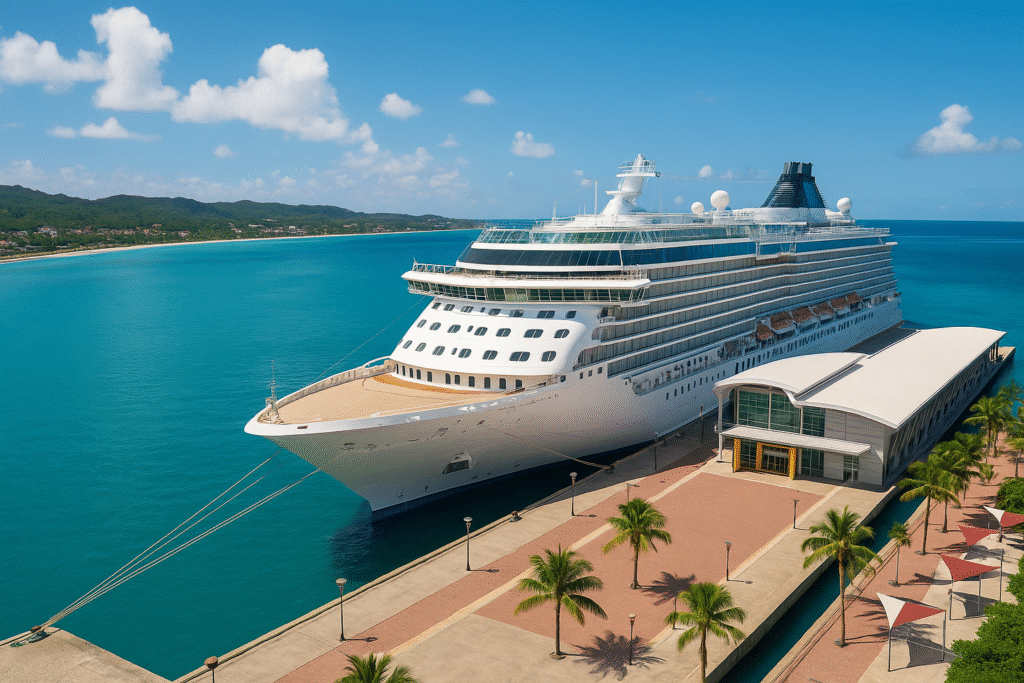
Brazil is positioning itself as a future powerhouse in global cruise tourism. The Ministry of Ports and Airports has announced investments exceeding $200 million (R$1 billion) to modernize and expand port infrastructure. The ambitious program includes new cruise terminals in Santos, Recife, and Maceió, along with improvements designed to attract private operators and international cruise lines.
This initiative marks one of the largest commitments Brazil has made to cruise tourism in recent years, signaling the country’s determination to compete with established global cruise destinations.
Santos Leads the Investment Drive
Santos, Brazil’s primary cruise hub, is at the heart of this transformation. Plans for a new, state-of-the-art cruise terminal are underway, with much of the estimated $150 million cost expected to be covered by private investors.
The new terminal is not just about capacity. It is part of a larger redevelopment project that will breathe life into the city’s historic district, blending modern facilities with cultural revitalization. With these changes, Santos is set to become one of South America’s most attractive embarkation points for international cruise ships.
For travelers, the terminal promises a smoother embarkation process, modern passenger amenities, and expanded capacity to accommodate the world’s largest cruise liners.
Maceió Prepares for Privatization
In northeastern Brazil, the Maceió Cruise Terminal is preparing for privatization. An auction is scheduled for late October, with a 25-year concession agreement on offer to private operators. The winning bidder will be required to invest R$3.7 million ($700,000) in improvements, including building a new parking area and upgrading terminal infrastructure.
Once complete, Maceió will be able to handle 300-meter-long cruise ships, significantly expanding its capacity. The city, known for its turquoise waters and pristine beaches, is expected to benefit from a surge in cruise arrivals, boosting local businesses and regional tourism.
Recife’s Cruise Terminal Upgrade
Recife, another important stop in northeastern Brazil, will see its cruise terminal privatized in 2025. The government estimates the investment at R$10 million ($2 million), following approval from the Federal Court of Accounts.
Enhancements to Recife’s terminal will expand passenger comfort and improve safety. By upgrading facilities, Recife will increase its attractiveness to both regional and international cruise lines. Known for its rich cultural history and colonial architecture, the city will soon offer visitors a more welcoming and modern entry point.
Northeastern Cruise Circuit: A Regional Boost
Beyond individual port projects, Brazil is developing a Northeastern Cruise Circuit. This initiative focuses on Fortaleza, Salvador, Recife, and Maceió, creating a chain of ports that will anchor Brazil as a key destination in South America.
The circuit showcases the region’s diverse cultural heritage and natural beauty. Passengers will enjoy vibrant urban hubs like Salvador, with its Afro-Brazilian traditions, alongside tranquil coastal retreats in Fortaleza and Maceió. By linking these destinations, Brazil provides cruise operators with itineraries that rival popular routes in the Caribbean and Mediterranean.
Additional Developments Across Brazil
Brazil’s cruise expansion is not limited to the southeast and northeast. Plans are in place for a new passenger terminal in Paranaguá, in the southern state of Paraná, to meet rising demand in the region.
In the north, Belém will see the development of cruise facilities ahead of the COP-30 Climate Conference in 2026, further positioning Brazil as a global tourism hub. These investments reflect a national strategy to spread tourism benefits across multiple regions, ensuring that both major cities and smaller coastal towns can share in the growth of the cruise industry.
Attracting Private Investment
A key feature of Brazil’s cruise tourism strategy is the role of the private sector. The government is actively auctioning terminals and encouraging multinational companies to invest in port development. By offering long-term concessions, Brazil ensures that private operators have both the responsibility and incentive to modernize facilities and deliver world-class passenger experiences.
For the government, the model reduces the financial burden while maximizing the potential for innovation and efficiency. For passengers, it means safer, more comfortable, and modernized terminals at every stage of their journey.
Economic and Tourism Impact
Cruise tourism is already a major contributor to Brazil’s economy, and these new investments are expected to multiply its impact. With improved terminals, Brazil can host larger vessels, longer itineraries, and more international cruise lines.
The upgrades will stimulate local economies in port cities, from hotels and restaurants to tour operators and artisans.
Moreover, these investments will enhance Brazil’s competitiveness in the global market, allowing it to rival destinations such as the Caribbean, Mediterranean, and Asia.
A Vision for the Future
Brazil’s $200 million cruise infrastructure program reflects a clear vision: to establish the country as a leading global cruise destination. By combining public investment with private partnerships, the government aims to deliver terminals that meet international standards of safety, comfort, and efficiency.
With Santos, Recife, and Maceió at the forefront, and additional projects in Paranaguá and Belém, Brazil is laying the foundation for long-term growth. The creation of the Northeastern Cruise Circuit further cements its strategy to diversify and expand itineraries.
For international travelers, this means new opportunities to explore Brazil’s coastline, culture, and natural wonders aboard luxury cruise ships. For Brazil, it means strengthening its global presence and unlocking the full potential of cruise tourism.
Conclusion
Brazil is embarking on a new era of cruise tourism. With over $200 million in investments, privatization initiatives, and modernized terminals, the country is transforming itself into a cruise destination of global significance.
From Santos’ ambitious new terminal to Maceió’s expanded facilities and Recife’s modernization, Brazil is creating a network of ports ready to welcome millions of travelers. The economic impact will be profound, and the cultural exposure invaluable.
For the global cruise industry, Brazil is no longer an emerging player. It is rapidly becoming one of the must-visit destinations on the world cruise map.
For more travel news like this, keep reading Global Travel Wire