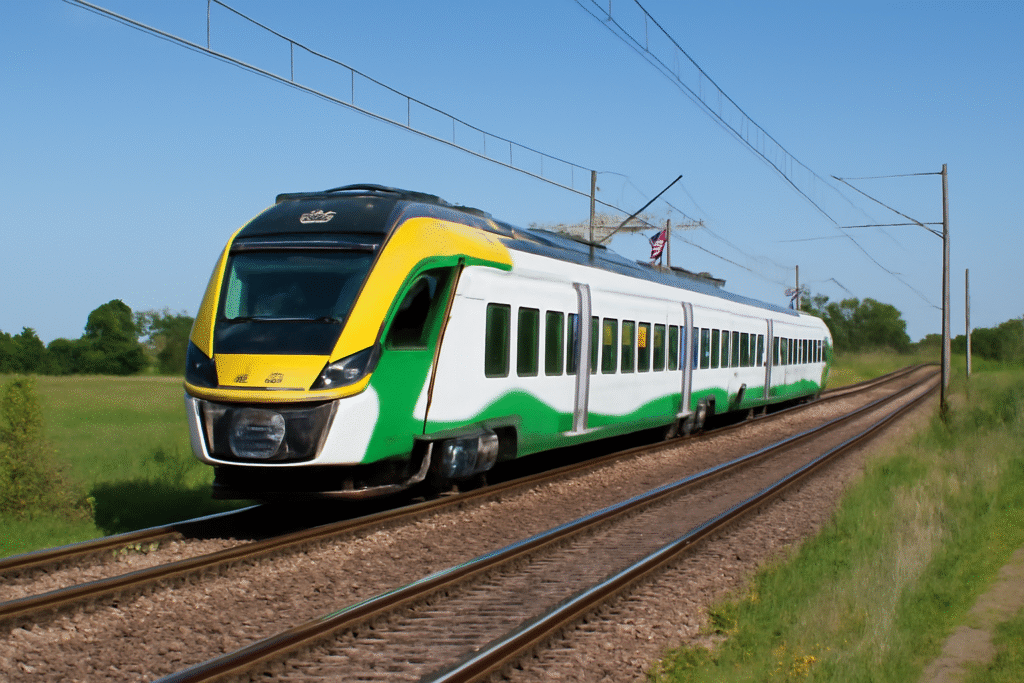
Poland’s economic growth over recent years has significantly transformed its urban landscape. With rising wealth and urbanization, the country faces new challenges, such as increased car dependency and rising pollution levels. In response, several Polish cities are now focusing on suburban rail systems to provide a sustainable, eco-friendly alternative to car travel. This shift reflects the government’s broader commitment to modernizing urban transportation while addressing environmental concerns.
Expanding Suburban Rail Networks Across Poland
The Polish government, alongside local municipalities, is making substantial investments in suburban rail networks, particularly in cities outside of Warszawa. The expansion and modernization of these systems are central to the country’s long-term mobility strategy, which aims to reduce reliance on cars, manage congestion, and improve the quality of life in urban areas.
By enhancing suburban rail infrastructure, Poland is striving to provide a reliable and eco-friendly transportation option that will benefit commuters, reduce traffic congestion, and cut down on air pollution. This investment aligns with broader European Union goals to improve sustainable mobility in cities, contributing to Poland’s role as a leader in green transportation within the region.
Key Benefits of Suburban Rail Systems
Suburban rail networks offer significant benefits in terms of reducing both traffic congestion and air pollution. Cities such as Kraków, Wrocław, and Gdańsk are making notable strides in expanding these networks, which are designed to be efficient and environmentally friendly. These modernized services provide an alternative to car travel, addressing one of the most pressing challenges in growing urban areas.
One of the key advantages of suburban rail is its ability to accommodate large numbers of passengers with minimal environmental impact. By using electric-powered trains, these systems help reduce the carbon footprint of transportation in urban and suburban areas. Unlike cars, which rely on fossil fuels and contribute to air pollution, electric trains provide a cleaner, more sustainable alternative for daily commuting.
Additionally, suburban rail services are known for their reliability and efficiency. With frequent schedules, well-maintained infrastructure, and a focus on punctuality, these systems offer a smooth and predictable alternative to crowded buses and unpredictable car traffic. For commuters, this translates into reduced stress and more predictable travel times, making public transportation a more attractive option.
Strategic Planning for Sustainable Urban Mobility
Poland’s focus on sustainable urban mobility is reflected in its strategic planning for suburban rail systems. Local authorities are working closely with the national government to integrate rail services with other forms of public transport, such as buses, trams, and bike-sharing schemes. This multi-modal approach makes it easier for passengers to switch between different modes of transportation, further reducing the need for private car ownership.
Suburban rail systems are also being designed with accessibility in mind. This commitment to inclusivity helps to create a more user-friendly transportation network, improving mobility for a broader range of the population.
Moreover, Poland’s investment in sustainable transport aligns with the European Union’s Green Deal, which aims to reduce greenhouse gas emissions across the continent. By focusing on rail systems as a solution to urban mobility challenges, Poland is taking an active role in the EU’s long-term environmental strategy.
Economic and Social Benefits for Local Communities
The expansion of suburban rail networks is not only beneficial for commuters but also for local economies. With easier access to neighboring areas, suburban rail services help strengthen regional connections, making it easier for people to travel to work, school, or cultural events in nearby towns and cities. This connectivity fosters economic growth outside major metropolitan hubs, improving the overall economic landscape of the region.
For tourists, the growth of suburban rail networks offers new opportunities to explore lesser-known destinations in Poland. With improved transport links, visitors can easily access historical towns, natural parks, and cultural landmarks on the outskirts of major cities. This increase in accessibility boosts tourism to smaller towns and villages, contributing to local economies and supporting sustainable tourism initiatives.
A Shift Towards Sustainable Mobility in Poland
As Poland’s economy continues to grow, addressing the challenges of car dependency and urban pollution remains a priority. The country’s investment in suburban rail systems is a key step toward creating a more sustainable, efficient, and accessible urban mobility network. With new rail services linking cities and suburban areas, Poland is making significant progress in reducing traffic congestion, lowering emissions, and improving the quality of life for its citizens.
Poland’s commitment to modernizing its rail infrastructure is already evident in cities like Kraków, Wrocław, and Gdańsk. These cities are embracing sustainable mobility, creating greener, more connected communities. The expansion of suburban rail networks will be critical for the long-term success of Poland’s urban transportation strategy, ensuring that its cities remain vibrant, clean, and well-connected for years to come.
Conclusion: Transforming Poland’s Urban Mobility Landscape
Poland’s investment in suburban rail systems marks a transformative shift toward sustainable urban mobility. With modernized rail services offering a cleaner, more efficient way to travel, Poland is positioning itself as a leader in green transportation. The expansion of suburban rail networks in cities like Kraków, Wrocław, and Gdańsk is helping to reduce car dependency, cut down on pollution, and improve the overall quality of life for residents.
By prioritizing sustainable mobility and integrated transportation solutions, Poland is building a future where public transit plays a central role in urban development. As more cities in the country adopt these systems, Poland is setting a strong example for the rest of Europe in terms of creating accessible, efficient, and eco-friendly transportation networks.
For more travel news like this, keep reading Global Travel Wire