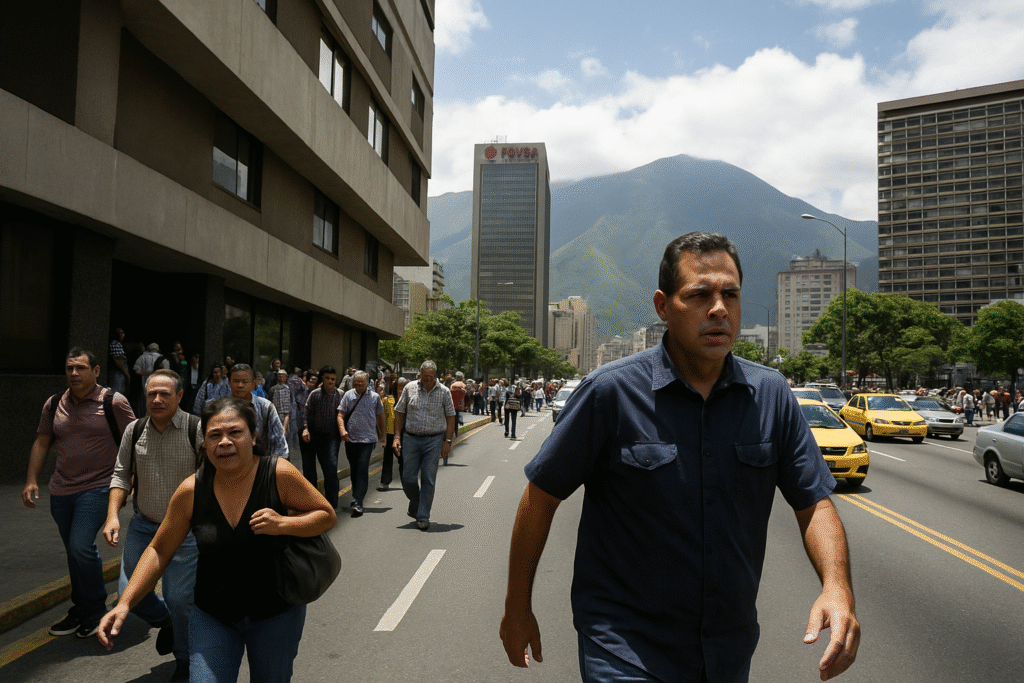
Venezuela experienced a powerful 6.2-magnitude earthquake that sent shockwaves across South America, including neighboring Colombia and several Caribbean islands. The quake struck northwest Venezuela, with its epicenter located near the oil-producing town of Mene Grande in Zulia state, approximately 24 kilometers east-northeast of the area. The tremor was also felt in Caracas, where buildings swayed and residents rushed outside for safety.
According to geological agencies, the earthquake originated at a shallow depth of around 7.8 kilometers, which contributed to its widespread impact. Fortunately, no immediate casualties or large-scale damage have been reported, offering relief to residents and travelers alike.
Regional Impact: Venezuela, Colombia, and the Caribbean
The earthquake’s effects stretched far beyond Venezuela. In Colombia, particularly in the border regions, tremors were recorded at a magnitude of 6.1. Citizens in Bogotá and Medellín reported mild but noticeable shaking. Local authorities in both countries urged people to remain calm while inspections were carried out to ensure the safety of bridges, roads, and public buildings.
In Venezuela’s second-largest city, Maracaibo, people flooded into open spaces after the tremors. Despite the alarm, there were no reports of collapsed infrastructure, allowing normal activities to resume within hours.
Caribbean islands such as Aruba, Curacao, and Bonaire also experienced vibrations from the quake. While the shaking caused concern, no significant disruptions or damages were confirmed. Importantly, international monitoring agencies confirmed there was no tsunami threat, which reassured coastal communities and travelers in the region.
Tourism and Transportation Remain Stable
Tourism in Venezuela and the wider region has not been severely affected by the event. Airports, seaports, and major highways remained operational after authorities quickly carried out precautionary checks. In Caracas and Maracaibo, public transport services were briefly paused but soon returned to normal schedules. Hotels and tourism operators reported minimal disruption, with travelers continuing their itineraries.
International agencies have not issued travel advisories in response to the earthquake. However, safety experts encourage visitors to remain aware of potential aftershocks and follow guidance from local authorities.
For tourists currently in Venezuela or planning visits to South America, the situation remains stable. With no major infrastructure damage, travelers can expect little disruption to flights, accommodation, or sightseeing activities.
Venezuela’s Seismic History
Although Venezuela is not considered one of the most earthquake-prone nations, the country has a history of significant seismic events. The devastating Caracas earthquake of July 1967 caused nearly 300 deaths and widespread destruction. Another tragedy struck in July 1997 in Cariaco, claiming 73 lives and injuring hundreds more.
These past disasters underline Venezuela’s vulnerability to seismic activity, even though strong quakes are relatively rare. In response, the government has invested in preparedness programs, emergency response training, and awareness campaigns to minimize risks for both residents and visitors. The recent earthquake, though largely non-destructive, serves as a reminder of the importance of resilience in earthquake-prone areas.
Global Seismic Context
The Venezuelan earthquake adds to a year marked by notable seismic activity worldwide. In 2025, several countries have experienced significant earthquakes, resulting in varied impacts on communities and infrastructure:
- Myanmar (March 2025): A magnitude 7.7–7.9 quake near Mandalay caused over 5,400 deaths and extensive damage to cultural and religious landmarks.
- Afghanistan (August 2025): A 6.0-magnitude tremor in Kunar Province destroyed thousands of homes, leaving thousands dead and injured.
- Russia (July 2025): An 8.8-magnitude quake struck off Kamchatka, leading to structural collapses and power outages.
- Indonesia (August 2025): A 5.8-magnitude earthquake in Sulawesi killed two people and damaged hundreds of buildings.
- Chile (September 2025): A 5.6-magnitude quake struck Tarapacá but caused no significant harm.
These events highlight the persistent global threat of seismic activity and the urgent need for robust preparedness in regions across Asia, Latin America, and beyond.
Preparedness and Safety Measures
Experts emphasize that preparedness is the key to minimizing earthquake risks. Governments across South America have been investing in awareness campaigns, early warning systems, and stricter building codes. In Venezuela, the authorities’ swift communication and monitoring following this latest tremor reassured both citizens and tourists.
Travelers visiting earthquake-prone destinations are advised to keep updated on local emergency procedures, know the location of safe assembly areas, and remain calm in the event of tremors. Hotels and tourism establishments in Venezuela and the Caribbean are increasingly incorporating earthquake safety measures to ensure the protection of guests.
Tourism Outlook After the Earthquake
Despite the widespread tremors, Venezuela’s natural beauty and cultural attractions remain open to visitors. Popular destinations such as Angel Falls, Canaima National Park, and the coastal regions continue to welcome tourists. In fact, the swift return to normalcy after the quake reflects the resilience of the country’s infrastructure and communities.
South America as a whole remains a vibrant travel destination, and this earthquake has not dampened interest in exploring its landscapes, culture, and heritage. By combining vigilance with preparedness, travelers can continue to enjoy their journeys without major concerns.
Conclusion: A Reminder of Nature’s Power
The 6.2-magnitude earthquake in Venezuela demonstrates the unpredictable nature of seismic events but also highlights the resilience of communities in the region. With no casualties or significant damage reported, tourism and daily life have swiftly returned to normal.
For travelers, the message is clear: while natural events can cause brief disruptions, Venezuela and its neighbors remain safe and welcoming destinations. The earthquake stands as a reminder of the importance of preparedness, but it does not overshadow the rich cultural and natural treasures that continue to make South America a thriving hub for global tourism.
For more travel news like this, keep reading Global Travel Wire