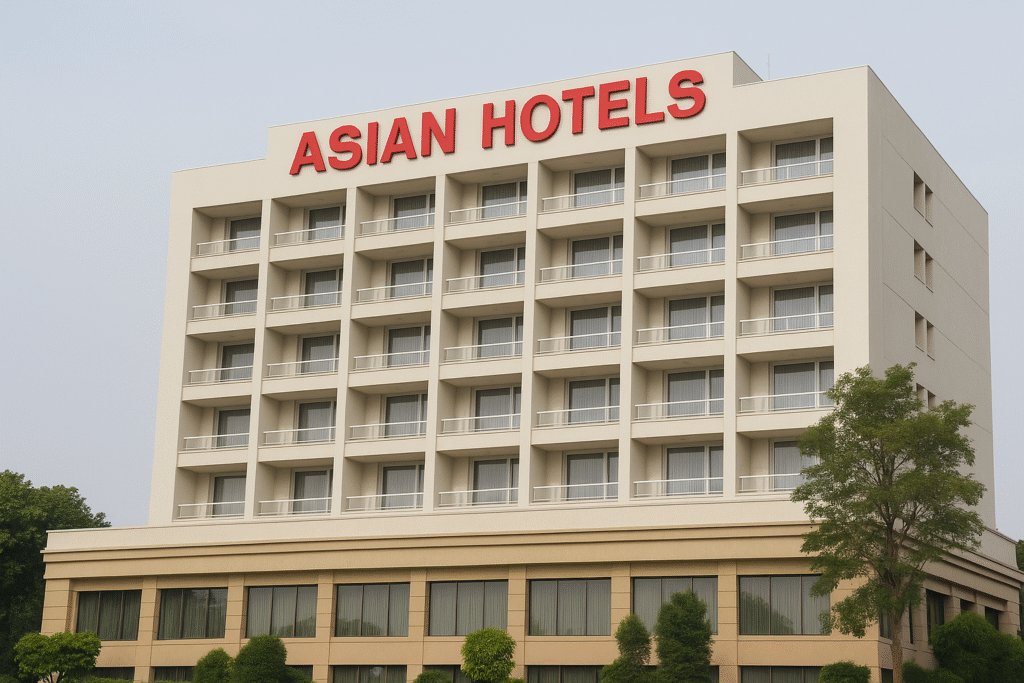
The financial challenges faced by Asian Hotels (North) Limited have sent ripples across India’s hospitality sector. The company, once a respected name in luxury hospitality in North India, has defaulted on loans exceeding INR 98 crores, including both principal and interest, owed to Sammaan Capital Limited.
This default has raised concerns not only about the company’s future but also about the wider implications for Delhi’s hospitality and tourism ecosystem. With liquidity under pressure, Asian Hotels faces the risk of weakened market position and declining stakeholder confidence.
The Immediate Impact of the Loan Default
Asian Hotels (North) has long been associated with upscale properties and premium hospitality in Delhi. However, its inability to service debt points to deep liquidity challenges.
The default comes at a critical moment: India’s hospitality sector is recovering from the global downturn caused by the pandemic. Travel demand is growing steadily, particularly in Delhi, Jaipur, and Agra—destinations central to India’s cultural and tourism circuits. Against this backdrop, financial instability among prominent hotel groups sends an alarming signal.
If liquidity pressures persist, the company may be forced to cut back on operational spending, reduce services, or scale down hotel operations. This could impact service quality, tarnish brand reputation, and reduce tourist confidence in the capital’s hospitality offerings.
Tourism Industry at a Crossroads
India’s tourism industry has been on a strong upward trajectory. According to official data, tourism grew by over 7 percent in 2024, contributing significantly to national GDP and employment. Domestic travelers, buoyed by campaigns like Dekho Apna Desh, are exploring heritage circuits in greater numbers, while international arrivals continue to rise thanks to simplified visa procedures and expanded air connectivity.
Yet, for the industry to maintain this momentum, financial stability among hotel operators is crucial. A prominent default such as this one highlights vulnerabilities within the sector and raises the question of how well-positioned Indian hospitality companies are to handle debt pressures and investment scrutiny.
Competition and Market Shifts
Delhi’s hospitality landscape is among the most competitive in India, with numerous global brands, boutique hotels, and homegrown chains competing for business and leisure travelers. In such an environment, financial missteps by established players can lead to swift shifts in consumer preferences.
Tourists may gravitate toward operators with stronger financial backing and brand security. For Asian Hotels, reputational challenges could reduce its ability to attract international partnerships, premium clients, and even large-scale events—a vital revenue stream for luxury hotels in the capital.
Investor Confidence Under Pressure
Hospitality depends heavily on investor sentiment. Defaults weaken trust, potentially leading lenders and investors to become more cautious in financing future developments. This could slow down the pipeline of new projects in northern India, a region heavily reliant on tourism and hospitality for economic growth.
Delhi’s role as a gateway city amplifies this concern. The capital attracts millions of visitors each year, both for business and leisure. If investment flows falter due to instability among key players, the city could struggle to meet rising demand for quality accommodations.
Government Support: A Crucial Factor
The Indian government has consistently supported tourism growth through promotional campaigns, investment incentives, and infrastructure upgrades. Initiatives such as heritage circuit development, airport modernization, and subsidies for hospitality projects have created fertile ground for tourism expansion.
In light of Asian Hotels’ financial strain, the role of government support becomes even more critical. Policymakers may need to consider targeted financial relief, tax incentives, or credit support for stressed hospitality companies. Such measures could stabilize operations and protect jobs, while also preserving investor confidence in the sector.
Sustainability and Long-Term Prospects
Despite this setback, the overall outlook for India’s tourism and hospitality sector remains positive. Rising domestic tourism, international marketing campaigns, and a growing middle class all point toward long-term expansion. Delhi, as one of India’s most visited cities, will continue to attract both leisure and business travelers.
However, for the industry to sustain growth, financial resilience must be prioritized. Companies will need to strengthen balance sheets, diversify revenue sources, and adopt sustainable business practices. Only then can they withstand financial shocks and continue contributing to India’s tourism growth story.
Key Takeaways
- Loan Default: Asian Hotels (North) Limited defaulted on loans exceeding INR 98 crores, raising liquidity and reputation concerns.
- Industry Impact: Default threatens stakeholder confidence and highlights risks in Delhi’s competitive hospitality market.
- Tourism Growth: India’s tourism sector grew by over 7 percent in 2024, but stability of hotel operators remains essential.
- Government Role: Policies like Dekho Apna Desh and targeted financial support may cushion the sector from long-term damage.
Conclusion
The financial crisis facing Asian Hotels (North) Limited is a stark reminder of the fragility within India’s hospitality sector, even at a time of tourism growth. As Delhi continues to position itself as a premier destination for both domestic and international travelers, the stability of its hotel industry is critical.
While India’s tourism sector remains robust, the loan default underscores the need for financial discipline, stronger regulatory oversight, and government support. The coming months will reveal whether Asian Hotels can restructure and recover, or whether its struggles will reshape the competitive landscape of Delhi’s hospitality market.
For more travel news like this, keep reading Global Travel Wire