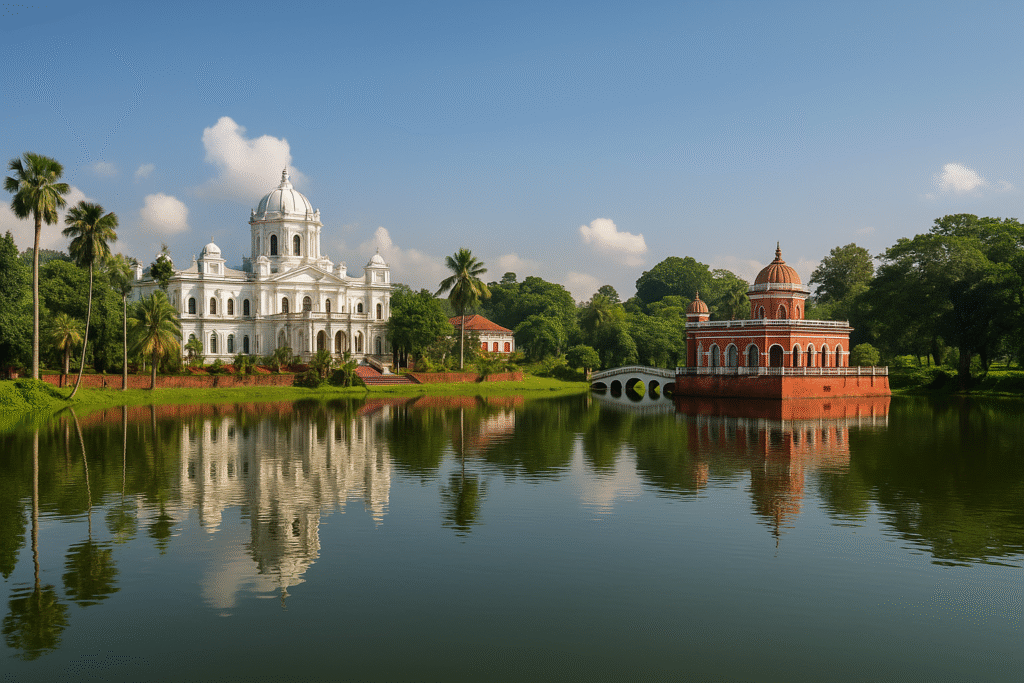
Tripura is quickly gaining recognition as one of India’s fastest-growing tourism destinations. In 2024, the state experienced record-breaking growth in both domestic and international arrivals. Domestic tourists surged from 366,000 in 2023 to 601,000 in 2024. International arrivals grew from 67,000 to 91,000. This impressive jump highlights the state’s growing profile as a must-visit location in Northeast India.
Travel analysts note that the rise reflects a combination of natural beauty, cultural richness, and improved infrastructure. With central government support, Tripura is building strong foundations for sustainable tourism growth. Experts suggest that the state is well on its way to becoming a top player in India’s travel market.
Record-Breaking Arrivals in 2024
Observers report that Tripura’s domestic arrivals grew by 64% in a single year. Foreign tourist numbers also rose by 36%, making Tripura the second-highest northeastern state for international arrivals, behind Sikkim.
Travel experts attribute this success to rising awareness of Tripura’s cultural heritage and scenic landscapes. Visitors are drawn to temples, palaces, lakes, and natural reserves. The increase in arrivals shows that Tripura is attracting attention beyond regional borders and establishing itself as a significant destination for both Indian and global travelers.
The surge also fuels the state’s economy. More visitors generate higher demand for hotels, transportation, local food, handicrafts, and guided tours. This directly benefits local communities while promoting cultural exchange and awareness.
Infrastructure Development Strengthens Growth
Government support has played a crucial role in Tripura’s tourism expansion. Authorities have invested in infrastructure improvements that make the state more accessible to travelers. Upgraded transportation networks, new accommodations, and modern facilities are helping attract larger visitor numbers.
State tourism officials have worked closely with the central government to secure funding for upcoming projects. These include road expansions, hospitality upgrades, and enhanced visitor services. Analysts believe this partnership will position Tripura as a more accessible and reliable tourism hub, both for domestic and international visitors.
Better infrastructure also supports long-term sustainability. Modern airports, better connectivity, and eco-friendly facilities will ensure that the state can manage higher tourist numbers without straining local resources.
Economic Growth and Job Creation
Tripura’s tourism surge creates ripple effects across the economy. With more travelers arriving, businesses in food, hospitality, handicrafts, and transport benefit. Increased demand generates new jobs for locals, from hotel staff and guides to artisans and entrepreneurs.
Observers emphasize that Tripura’s tourism growth is not just about visitor numbers but also about local empowerment. Economic opportunities for small businesses expand as more travelers explore regional markets, cuisine, and cultural experiences.
Experts also note that with the right policies, Tripura can establish itself as a model for tourism-driven economic growth. This trend may encourage other northeastern states to adopt similar strategies for development.
Strategic Planning for Long-Term Success
Analysts highlight that Tripura’s success reflects effective planning and targeted investments. Strategic initiatives focus on three key areas:
- Improved connectivity through better road, rail, and air networks.
- Upgraded accommodations for diverse traveler budgets.
- Sustainable tourism practices that balance growth with preservation.
Authorities are also promoting new attractions and eco-tourism experiences. By highlighting natural reserves, cultural festivals, and adventure opportunities, Tripura can appeal to a wide range of travelers. Marketing campaigns are expanding visibility at national and international levels.
Experts suggest that continued government coordination and private sector involvement will sustain this momentum. With strong planning, Tripura can remain one of India’s fastest-growing tourism destinations for years to come.
Cultural and Natural Appeal
Tripura’s unique combination of natural landscapes and cultural heritage plays a major role in attracting visitors. Historic sites like the Ujjayanta Palace, Neermahal Palace, and ancient temples showcase the region’s history. Natural wonders such as Rudrasagar Lake and lush forests provide opportunities for eco-tourism and adventure.
Cultural festivals highlight the state’s vibrant traditions, while local cuisine offers authentic experiences for travelers. Experts emphasize that Tripura’s blend of history, nature, and cultural richness positions it as a one-of-a-kind travel destination in India.
Observers also point out that the tourism boom encourages cultural preservation. As more travelers visit, local communities gain incentives to protect heritage sites and maintain traditions, strengthening the cultural fabric of the state.
Future Outlook: Tripura as a Must-Visit Destination
The future looks promising for Tripura tourism. Analysts predict sustained growth with continued investment in infrastructure, marketing, and sustainable practices. Authorities are prioritizing eco-tourism and cultural preservation, ensuring that growth remains balanced and long-lasting.
Observers believe that Tripura’s achievements set a strong example for other northeastern states. By combining government support, strategic planning, and local involvement, the state has turned potential into real results.
Experts conclude that Tripura is no longer a hidden gem—it is a rising star in India’s tourism industry. With record-breaking growth, diverse attractions, and a strong development plan, Tripura is emerging as a must-visit destination for both domestic and international travelers.
For more travel news like this, keep reading Global Travel Wire