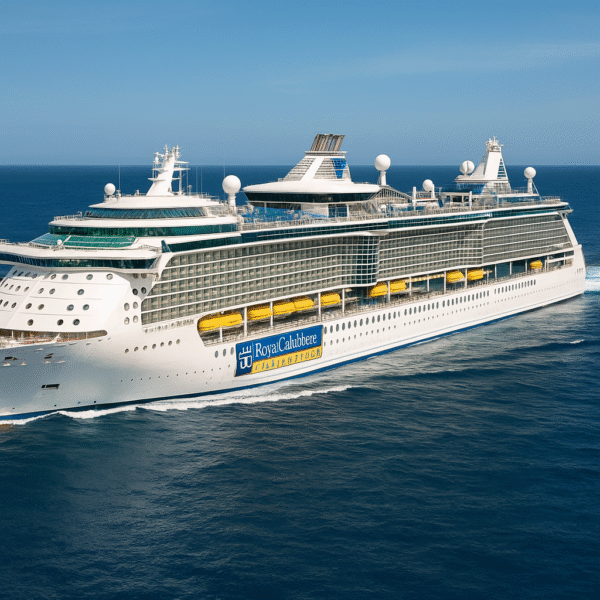
A powerful typhoon sweeping across parts of Asia has delayed the arrival of a Royal Caribbean cruise ship by two days. The vessel, originally scheduled to dock earlier this week, adjusted its itinerary in response to gale-force winds and unsafe conditions at sea.
Port authorities temporarily closed maritime operations due to the severity of the storm. Safety protocols required all ships in the region to remain offshore until the storm cleared. This included the Royal Caribbean ship, which postponed arrival to protect passengers, crew, and port workers.
While the delay has caused inconvenience for passengers and those awaiting embarkation, safety remains the top priority for both cruise operators and port authorities.
Passenger Itineraries Adjusted Amid the Delay
For travelers onboard the delayed ship, schedules have shifted to accommodate the two-day change. Shore excursions and port visits originally planned for early in the week will now take place later, or in some cases, be rescheduled to alternative destinations.
Passengers scheduled to embark during the delay have also received updates from Royal Caribbean on new boarding times. The cruise line has encouraged travelers to confirm revised itineraries, excursion bookings, and transfer services.
International tourists with pre-booked tours in the region are adjusting their schedules as well. Many tour operators have demonstrated flexibility, rescheduling excursions and creating alternate options to ensure that visitors still enjoy their time despite the delay.
The Importance of Flexibility in Cruise Travel
The two-day delay underscores the unpredictable nature of sea travel, particularly during typhoon season. Severe weather conditions can disrupt even the most carefully planned itineraries, reminding travelers of the importance of flexibility.
Royal Caribbean has kept passengers informed through regular communication, easing uncertainty and helping guests adjust plans. Updates cover revised port visits, embarkation times, and modifications to onboard entertainment. By maintaining clear communication, the cruise line reduces stress for guests while ensuring safety remains the focus.
For travelers impacted by the delay, the broader message is clear: cruise itineraries can shift due to weather, but adjustments are made to protect passengers and preserve as much of the travel experience as possible.
Travel Tips During Typhoon Season
Travelers embarking on cruises during typhoon season can take steps to prepare for unexpected disruptions:
- Invest in travel insurance: Comprehensive policies cover delays, cancellations, and rescheduling, providing peace of mind and financial protection.
- Stay updated with cruise line communications: Cruise operators provide timely information about rescheduled itineraries and adjusted embarkation times.
- Keep plans flexible: When booking shore excursions or connecting flights, allow for adjustments in case weather disrupts the schedule.
- Pack essentials for delays: Carry necessary medications, personal items, and important documents in a hand bag to prepare for unexpected changes.
These practices help minimize inconvenience and ensure travelers remain ready for changes that may arise from severe weather.
Tourism Sector Shows Adaptability
Despite the disruption, the local tourism sector has proven resilient. Tour operators and service providers in the region have adapted schedules, ensuring that international visitors still experience key highlights. Many have shifted activities to align with revised docking times, offering alternative tours or extending service hours to accommodate delayed arrivals.
Hotels near port cities have also assisted travelers whose plans were altered, providing additional accommodation and services. This responsiveness demonstrates the region’s strong commitment to maintaining tourism even during challenging circumstances.
Resilience in the Cruise Industry
Royal Caribbean’s handling of the delay reflects the resilience of the global cruise industry. Weather disruptions occur occasionally, yet operators have developed systems to minimize impact. Safety protocols, communication strategies, and rebooking policies all help ensure that passengers still enjoy their voyage, even when schedules change.
The quick resumption of operations following the storm also highlights the efficiency of port authorities. Once conditions improved, maritime operations reopened, allowing delayed vessels to dock safely and resume normal schedules.
Looking Ahead for Cruise Travelers
For travelers planning future cruises, the lessons from this delay are clear. Weather events, while rare, can affect itineraries in Asia’s cruise hubs. Planning with flexibility, investing in insurance, and maintaining awareness of seasonal patterns ensures smoother travel.
Royal Caribbean continues to prioritize passenger experience, adjusting itineraries while maintaining a balance of safety and leisure. Despite the delay, guests still enjoy a wide range of activities onboard, including entertainment, dining, and cultural programs designed to make time at sea memorable.
The situation also highlights the strength of local tourism industries in Asia. From rescheduled excursions to warm hospitality, businesses in the region have shown their ability to adapt quickly and keep tourism moving forward despite temporary setbacks.
Conclusion: A Temporary Setback with Long-Term Confidence
The two-day Royal Caribbean cruise delay caused by the typhoon has disrupted travel plans but reinforced the importance of safety and adaptability. Passengers, tour operators, and port authorities have worked together to navigate the challenges, ensuring that travelers still experience the region’s vibrant culture and natural beauty.
The resilience of the cruise industry and local tourism sectors sends a positive message: even when severe weather interrupts schedules, the long-term strength and reliability of global cruise travel remain intact.
For passengers, the journey continues with reassurance that their safety comes first, and for future travelers, the event serves as a reminder to plan wisely, remain flexible, and embrace the adventure of sea travel.
For more travel news like this, keep reading Global Travel Wire