The Indonesian government has reaffirmed a firm stance: state coffers will not be tapped to pay down the debt burden of the Jakarta–Bandung high-speed railway. This flagship rail link, branded as “Whoosh,” is central to the country’s infrastructure-driven tourism ambitions. Yet the decision signals that Indonesia is trying to balance bold connectivity with disciplined public finances.
The Whoosh Project and Its Promise
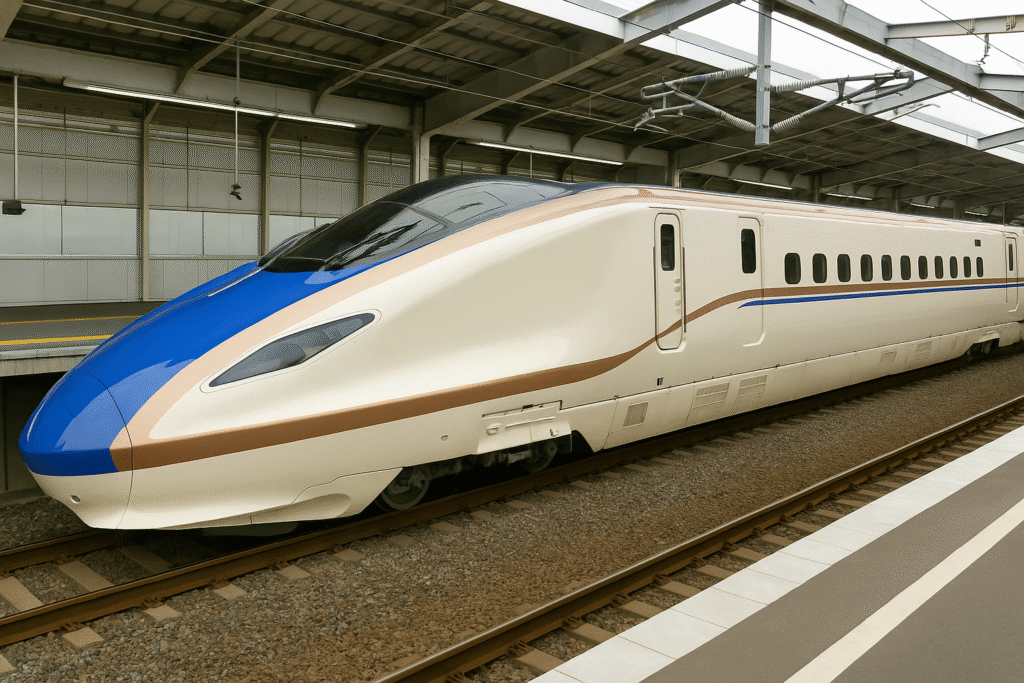
The Jakarta–Bandung high-speed line is operated by PT Kereta Cepat Indonesia China (KCIC), a joint venture in which Indonesia, via its national rail company’s subsidiary, holds a majority stake. The rail line connects Jakarta and Bandung in just over 40 minutes—down from a prior travel time of several hours by road. The service runs at speeds up to 350 km/h and has quickly become a symbol of Indonesia’s aspirations to modernize transportation and enhance intercity tourism.
Since its commercial launch, Whoosh has seen strong interest from travellers. Daily ridership averages around 30,000 passengers—evidence of its appeal as a fast, comfortable alternative for commuters, business travellers, and weekend tourists alike.
For Bandung, in particular, this connectivity upgrade is transformative. Known for its cooler climate, colonial architecture, fashion districts, creative arts, and close proximity to natural escapes, Bandung has long been a magnet for domestic tourism from Jakarta and beyond. The faster, reliable rail link strengthens Bandung’s role as a top short-break destination.
Fiscal Boundaries: Why the State Budget Won’t Foot the Bill
The government’s clear message is that the high-speed rail debt is not to be borne by the State Budget. Finance Minister Purbaya Yudhi Sadewa emphasized that the project’s obligations should rest with Danantara Indonesia, the sovereign wealth fund that consolidates dividend income from state-owned enterprises. This approach ensures taxpayer finances remain shielded, while leveraging returns from existing public assets.
Danantara, receiving tens of trillions of rupiah annually through SOE dividends, is considered financially capable of absorbing debt settlement tasks. Under its purview, two leading options are under review: taking over infrastructure assets of the Whoosh system, or injecting fresh capital into the operation to support debt servicing without recourse to state funds.
Negotiations are already underway with Chinese partners and KAI (the national rail operator) to restructure obligations and forge a more resilient financial model for the project. The aim is to redesign terms so future infrastructure projects are not exposed to similar risks.
Tourism Gains and Regional Integration
Even amid financial recalibration, the high-speed rail has already begun delivering tangible tourism benefits. The dramatic time savings make day trips, cultural visits, gastronomic getaways, and nature escapes far more accessible. Bandung’s art cafes, botanical gardens, heritage sites, and surrounding volcanoes become more viable for short itineraries.
In addition, increased footfall in Bandung can spur growth in hotels, boutique stays, local travel agencies, food and beverage outlets, and creative economy sectors catering to visitors. The railway becomes a catalyst for more dispersed tourism patterns, with passengers encouraged to detour to attractions along the corridor.
From a macro view, the project is expected to contribute significantly to economic activity in West Java. Some assessments suggest it could raise combined incomes in the region by 12–18%, lift national GDP by nearly 0.4%, and generate as many as 40,000 new jobs—albeit with tradeoffs in employment disruption among traditional sectors.
Challenges, Criticism, and Social Impact
The project has not been without controversy. Land acquisition issues and social dislocation have drawn protests in certain West Java villages. Some households allege loss of farmland and disruption to livelihoods. These social and environmental tensions remind stakeholders that infrastructure ambition must be accompanied by inclusive planning and compensatory safeguards.
Financially, the Whoosh project faces headwinds. Rising operating costs, debt servicing pressures, and less-than-expected revenues in some stretches are prompting calls for restructuring. There is increasing concern that without strategic intervention, the project may drift from visionary to vulnerable.
A Blueprint for Future Infrastructure
Indonesia’s decision to withhold state funds for the Whoosh debt is emblematic of a more pragmatic infrastructure strategy. The model—where debt is managed through SOE-backed funds rather than sovereign guarantees—marks a legacy shift. It asserts that transformative projects must be financially sound, sustainably structured, and insulated from undue public risk.
If Danantara succeeds in restructuring and stabilizing Whoosh, this case might serve as a model for future rail expansions across Java and beyond. Particularly, rail lines to new tourist destinations, regional connectivity corridors, or cross-island links may follow this financial template.
Meanwhile, the ongoing modernization of the Jakarta–Bandung route reinforces Indonesia’s reputation as a country with serious intentions to leverage rail not just for mobility but for tourism-led development. As ridership grows and operational efficiencies improve, the Whoosh train may well be seen as a foundational piece in Indonesia’s evolving transportation, economic, and tourism strategy.
In all, Indonesia’s reaffirmation that no state budget funds will go toward high-speed rail debt sends a clear message: infrastructure and tourism ambitions must walk hand in hand with fiscal responsibility. The Whoosh line—while still grappling with financial complexities—remains a powerful symbol of what modern connectivity can unlock: shorter journeys, deeper cultural exchange, and a more integrated, dynamic landscape of travel and growth.
For more travel news like this, keep reading Global Travel Wire