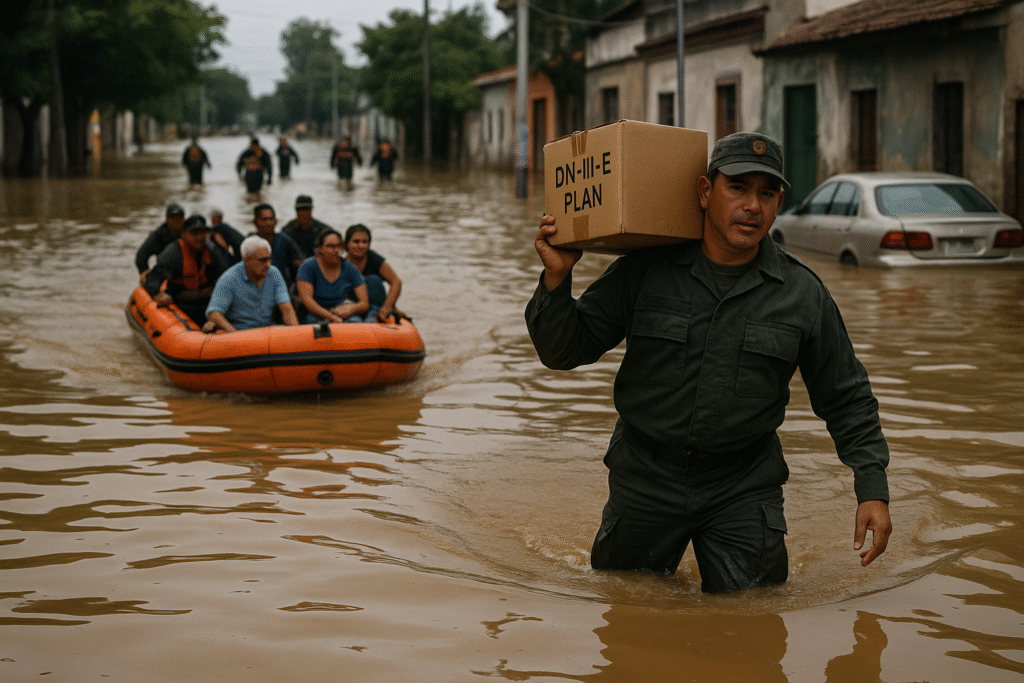
Heavy rains triggered by tropical storms have unleashed one of Mexico’s worst flood disasters in 2025. At least 28 people lost their lives. Many more remain missing or displaced. The destruction has swept across central and southeastern states, delivering a massive blow to infrastructure and the tourism sector.
Catastrophic Impact Across States
Widespread flooding struck 31 out of 32 states. In Hidalgo alone, authorities reported 16 deaths and damage to over 1,000 homes, 59 hospitals, and 308 schools. Entire communities were submerged as rivers burst their banks. Roads collapsed, power lines fell, and bridges gave way.
In Puebla, nine people died, 13 went missing, and nearly 80,000 residents lost electricity or access to clean water. A ruptured gas pipeline posed further hazards. Along the Gulf Coast in Veracruz, two people perished, including a police officer, and over 5,000 homes suffered damage. The navy evacuated nearly 900 residents to safer ground.
A landslide in Querétaro claimed the life of a child, highlighting how even inland regions were vulnerable to cascading effects of heavy rain. Across six states, almost 1,000 kilometres of highways became impassable. More than 320,000 homes lost power.
To assist the overwhelmed population, the federal government dispatched 8,700 military personnel to lead rescue, cleanup, and relief operations. With hospitals under strain and some cut off by floods, first responders raced to bring medical assistance, food, and clean water to stranded communities.
Tropical Storms, La Niña, and Unstable Weather
This cycle of disasters is part of a harsher trend in 2025. Tropical Storms Priscilla and Raymond, along with Cyclone Octave, have repeatedly battered Mexico’s coasts. Meteorologists point to the return of La Niña as a driving force. This cooling phase in the Pacific tends to worsen hurricane seasons and send erratic rainfall deep inland.
Storms moving across the Pacific and Gulf move in unpredictable paths now. This volatility has already forced flight cancellations, interrupted shipping routes, and left airports vulnerable. Travel safety is no longer just about terrorism or crime — weather is emerging as a top risk.
Tourism in Crisis
As one of the world’s most popular destinations, Mexico now faces a major tourism crisis. Visitors are canceling or postponing trips. Airlines are rerouting flights or adding buffer days to deals. Tour operators are scrambling to use more flexible schedules and cancelation policies.
Insurance companies have begun charging higher premiums for coverage in flood-prone areas. Some may refuse to operate at all in high-risk zones. In turn, travelers may shift toward destinations considered safer from climate extremes. Shorefront towns lacking robust drainage and backup systems could face long-term declines in visitors.
On the flip side, this disaster may accelerate investments in sustainable, disaster-ready tourism infrastructure. Flood-resistant hotels, elevated walkways, and real-time storm alerts could become selling points. Mexico now has an opportunity to rebuild smarter.
Toward Climate-Resilient Tourism
The urgency for climate adaptation has never been clearer. Key strategies now include:
- Real-time disaster mapping: Integrate flood and storm monitoring into booking platforms and travel apps.
- Stronger buildings and roads: Build with elevated foundations, permeable materials, and efficient drainage.
- Flexible business models: Encourage hotels, airlines, and tour operators to adopt emergency protocols and adaptable scheduling.
- Traveler education: Promote awareness about travel insurance, evacuation routes, and safety checklists.
- Community-level cooperation: Improve coordination between local governments, emergency services, and tourism agencies.
Ignoring these steps risks not only recurring tragedies but also economic isolation in a more climate-intense future. Regions that embrace resilience will likely recover faster and attract visitors who value safety.
What This Means for Travelers
For now, many popular beaches and historic towns remain open. But uncertainty looms. Flood warnings and storm alerts are active across coastal states. Some airports and roads may close with short notice. Travelers should plan with flexibility, secure refundable bookings, and monitor local forecasts.
Destinations that prove their resilience will gain an edge in the “next normal” of travel. Tourists will favor places with smart infrastructure, clear emergency plans, and climate-conscious development. Mexico’s challenge is clear: rebuild confidence and safety, not only in its infrastructure, but in its promise to travelers.
A Watershed Moment for Global Tourism
Mexico’s flood disaster is more than a national tragedy. It’s a wake-up call to an industry built on the assumption of stable climates. Travel now stretches beyond leisure or culture — it must include responsibility, risk management, and climate awareness.
The path ahead demands bold change. Nations must invest in resilient infrastructure. Tour operators must rethink routes and policies. Travelers must demand transparency and safety. Only by working together can the global tourism sector survive the new realities of a warming world.
In Mexico’s moment of crisis lies possibility — a chance to pioneer a more sustainable, safer, and smarter model of travel. The world is watching.
For more travel news like this, keep reading Global Travel Wire