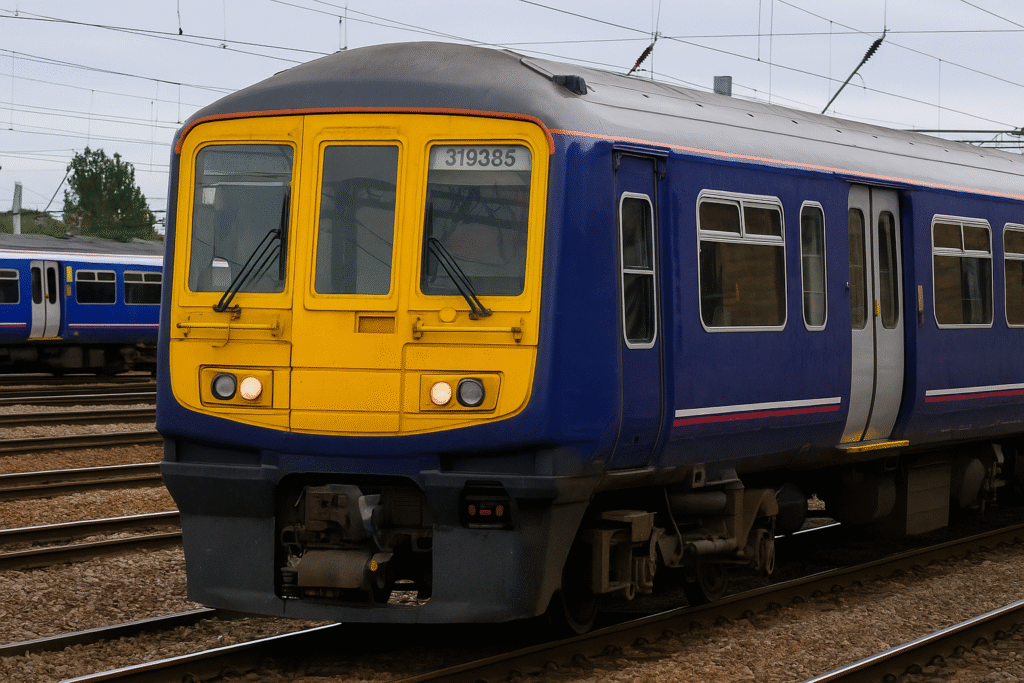
Rail travel in the North West of England faced major disruption on the morning of October 15, 2025, when a points failure at Earlestown caused a shutdown of several lines toward Manchester. Commuters and passengers traveling through the Liverpool–Manchester–Warrington corridor encountered delays, cancellations, and service diversions, as operations ground to a halt during peak travel hours.
What Happened: Points Failure at Earlestown
In the early hours of October 15, a fault in the points (the track-switching mechanism) at Earlestown led to the immediate suspension of rail traffic across multiple links feeding into Manchester. Because points control which track a train follows, a failure meant that safe routing was not possible. The shutdown affected lines between Manchester, Warrington Bank Quay, Liverpool Lime Street, and Chester.
The impacted operators included Northern, TransPennine Express, and Transport for Wales. Services into Manchester, whether from Liverpool, Chester, or via intermediate towns, were among the most severely affected. With the system disabled, passenger flow was forced to a near standstill until the fault could be rectified.
Routes Affected & Operational Impact
The points failure rippled through several critical passenger routes:
- Northern services between Liverpool Lime Street and Manchester (via several intermediate stops)
- Northern routes from Chester to Manchester Victoria
- Northern lines between Liverpool Lime Street and Manchester Airport
- Northern connections from Chester to Manchester
- TransPennine Express trains between Liverpool and Newcastle, and Liverpool to Stalybridge
- Transport for Wales services from Chester, Holyhead, and Llandudno toward Manchester Airport
As these trains were canceled, delayed, or rerouted, thousands of commuters and travelers were left stranded, scrambling for alternatives.
Interim Measures: Replacement Buses & Ticket Flexibility
In response, rail operators quickly organized rail replacement buses to bridge the gaps between disrupted segments. Notable shuttle services were introduced between Huyton and Manchester Oxford Road and between Warrington Bank Quay and Manchester Victoria, helping passengers continue their journeys by road.
Moreover, strict ticketing boundaries were temporarily relaxed to allow affected travelers to use alternate services without penalty. In many cases, tickets were honored across different train companies or via detours to bypass the broken section. Still, such contingencies could not fully replicate the speed and convenience of normal rail service, leading to extended travel times.
Despite rapid deployment of substitutes, passengers were warned to expect heavy delays, and to allow extra time when planning travel.
Duration and Extent of Disruption
Authorities initially estimated that the blockage might last until around 9:00 AM, but the effects were felt well beyond that window. Even after repairs were underway, knock-on delays, cascading train rescheduling, and backlog in service restoration prolonged disruptions deeper into the morning peak.
Some reports suggest that full service normalization began only after 10:30 AM in many areas, with residual delays and alterations persisting through mid-day. The broad impact extended beyond local commuting — intercity and regional travelers, airport connections, and onward services were all affected.
Commuter & Tourist Consequences
For daily commuters, this disruption spelled frustration: delayed arrivals at workplaces, missed connections, and overcrowded alternate modes. Business travelers aiming to reach Manchester for meetings were especially impacted, many forced to reschedule or reroute at the last minute.
Tourists arriving in the region or planning day trips were equally inconvenienced. Plans to explore Manchester’s attractions or travel on to other destinations in northern England were delayed or disrupted. Those relying on trains as a backbone for regional travel between Liverpool, Chester, or Manchester found their itineraries thrown off course.
Smart Travel Tips Amid Disruptions
If you find yourself traveling through or around Manchester in the coming days, here are some practical pointers:
- Check live updates before commencement — both operator apps and national rail boards will post real-time changes.
- Give yourself extra time — expect delays, especially in morning and early afternoon hours.
- Use replacement buses with caution — while useful, they tend to move slower and depend on road traffic.
- Consider alternate train routes — bypass the affected stretch via stations or lines not impacted, using ticket flexibility where offered.
- Stay mobile — updated alerts, apps, and announcements can help you adjust mid-journey.
- Plan backup options — if your trip is essential, consider traveling earlier or later, or via road/coach alternatives in contingency.
Broader Implications & Future Outlook
While this points failure was an isolated incident, it highlights a broader vulnerability in densely trafficked rail corridors: a local fault in signaling or switching can cascade into region-wide disruption. As rail networks age and traffic volumes rise, investment in robust infrastructure, redundant routing, and fast-recovery protocols becomes essential.
In the days ahead, rail operators will release more detailed reports on the cause, time to repair, and strategies to prevent recurrence. For travelers and commuters alike, advocacy for continuous rail infrastructure upgrades will likely gain renewed attention.
Meanwhile, for those planning journeys to or through Manchester in the near future, flexibility and awareness remain key. Allow for delays, monitor updates closely, and weigh alternatives. Despite the challenges this morning’s breakdown introduced, rail services are expected to steadily recover and return to regular operation.
If you like, I can check current service status in the Manchester area or find alternate routes for your specific travel plan.
For more travel news like this, keep reading Global Travel Wire