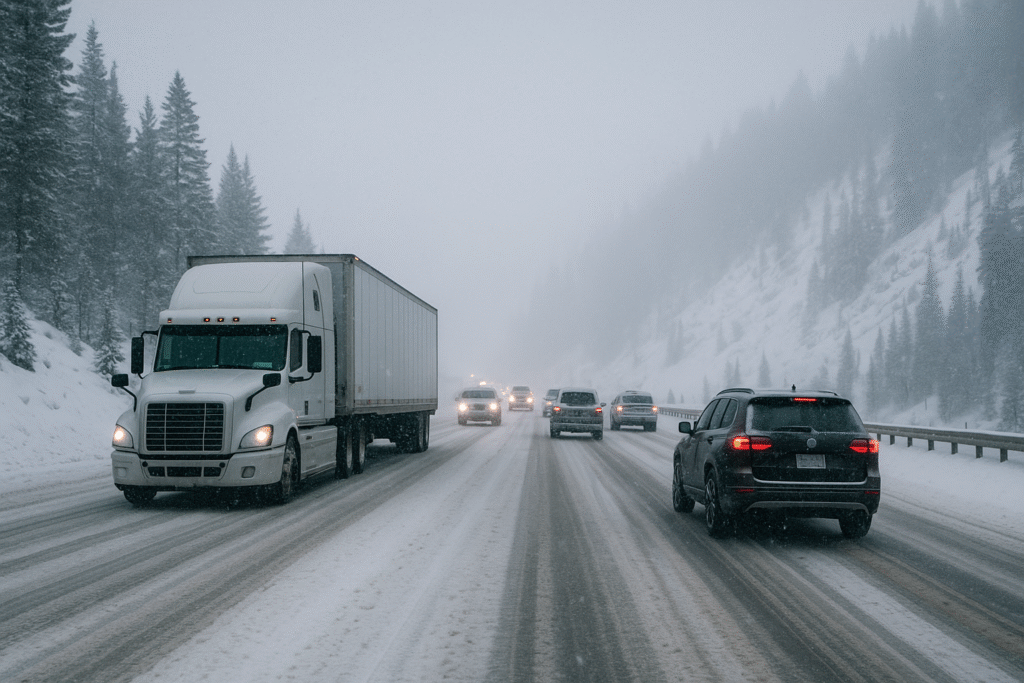
A record snowstorm is bearing down on the high-elevation zones of California and Nevada, sparking urgent travel concerns across the region. Heavy snow, gusty winds, and rapidly deteriorating road conditions threaten to derail holiday plans, hikes, and essential travel.
Snowstorm Hits the High Country
Forecasters expect up to six inches of snow in zones above 7,000 feet, with lesser accumulations down to 6,000 feet. Wind gusts may reach 35–40 mph. As the storm progresses, visibility will drop sharply, and snow will pile up on road surfaces, turning mountain highways slick and hazardous.
Areas such as the White Mountains in eastern California and the Spring Mountains and Sheep Range near Las Vegas are in the line of greatest impact. Popular recreation destinations like Mount Charleston and Red Rock Canyon may see travel interruptions as roads become treacherous.
Alerts and Risk Zones
Winter weather advisories span key mountain ranges in both states. In the Sierra Nevada, chain controls are already in place along Interstate 80 and Highway 50 in Northern California. Drivers must equip chains or adopt four-wheel drive setups before proceeding into higher terrain.
Forecasts warn of 3 to 6 inches of snow in the White and Inyo ranges above 7,000 feet. Between 6,000 and 7,000 feet, 1 to 3 inches may settle. In Nevada, regions above 8,000 feet could receive 2 to 4 inches, while peaks above 9,000 feet may cross the four-inch mark.
As snow levels drop during evening hours, areas like Lee Canyon and Kyle Canyon may become snowbound, catching travelers off guard. Slippery roads and blowing snow will challenge even experienced mountain drivers.
Why Travelers Should Be Concerned
For those heading into mountains for recreation—skiing, hiking, sightseeing—the storm could force cancellations or delays. Key mountain passes such as Westgard Pass in California and the Lee Canyon and upper Kyle Canyons in Nevada are expected to suffer the worst conditions.
Lower elevation routes aren’t immune. A light dusting of snow could freeze overnight, creating unexpected ice on roads that typically see none. Travelers on foothill routes might find themselves amid slick conditions without warning.
Travel Disruptions to Expect
The winter advisories remain active through early Wednesday in many areas. Chain control restrictions will likely persist on major routes until conditions improve. Road closures are possible in remote sections or steep passes.
Motorists should call or check state road services for updates—Caltrans in California or the 511 system in Nevada. Be aware: conditions can shift fast, and routes that appear clear now may become hazardous within hours.
Guidelines for Safe Winter Travel
- Slow down and drive with care. Sudden gusts, slick roads, and shifting visibility demand cautious driving.
- Check road status before departure. Use state highway reports or weather services to confirm pass conditions.
- Carry an emergency kit. Include blankets, food, water, extra clothing, shovel, flashlight, and tire chains.
- Avoid the trip if possible. If you don’t need to cross mountain passes, delay travel until roads improve.
Public agencies stress that road readiness is vital. Californian motorists are advised to call Caltrans or check its highway information network before venturing into snow zones. Vehicles must carry and know how to use snow chains; even four-wheel drive vehicles may need them in deep snow.
What This Means for the 2025–26 Winter Season
This early snowstorm signals that winter may arrive ahead of schedule in the western U.S. Mountainous corridors in California and Nevada are especially prone to sudden storms. Travelers should adopt a cautious mindset, expect volatility, and prepare in advance.
For ski resorts and recreation areas, the snow could accelerate the opening of slopes. But with opening dates come added risks: icy roads, avalanche potential, and limited access for support and safety teams.
Final Word: Be Alert, Be Prepared
As this storm sweeps the high country, travelers must stay alert. Snow accumulations, strong winds, and dropping snow levels will challenge roads and visibility. Whether commuting, touring, or heading to a ski resort, use caution, monitor updates, and avoid unnecessary travel.
The early arrival of snow underscores the importance of readiness. With the right precautions, travelers can navigate this opening salvo of winter more safely. Stay updated, delay if needed, and pack smart before setting out into the mountains.
For more travel news like this, keep reading Global Travel Wire