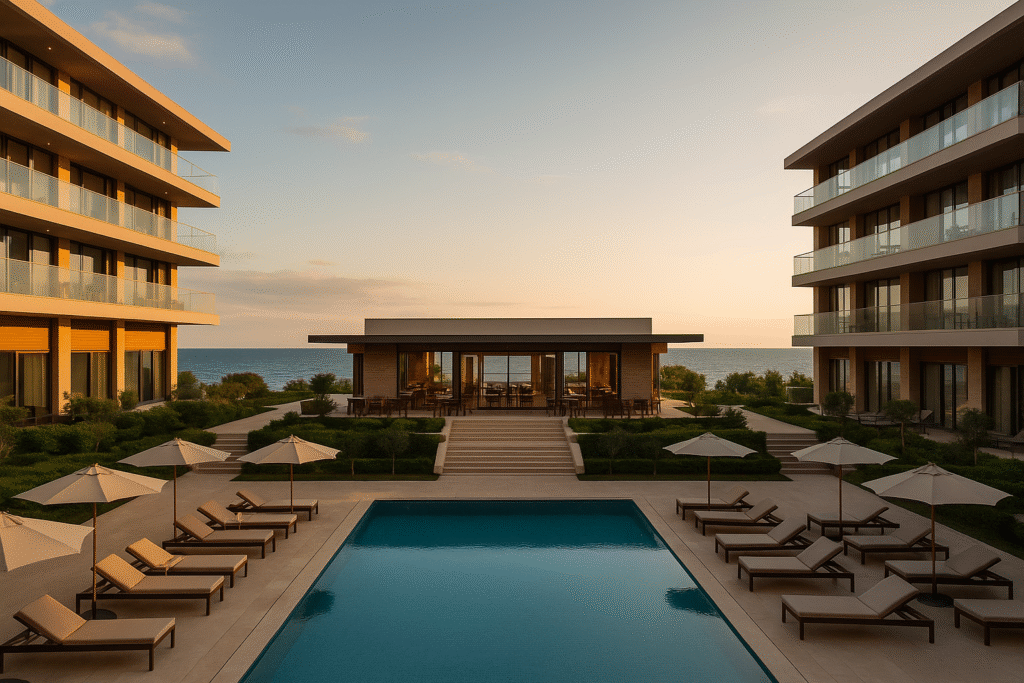
Nobu Hospitality is accelerating its global footprint with the announcement of Nobu Hotel, Restaurant & Residences in Baku, Azerbaijan and another in Montenegro, marking a bold entry into two richly storied and naturally beautiful destinations. These forthcoming properties, each embedded within the Sea Breeze Resort development, will offer 80 hotel rooms and 100 private residences—among them luxurious villas—aiming to fuse Nobu’s hallmark sophistication, cutting-edge design, and gourmet vitality with the local culture and aesthetics of each region.
Under the leadership of CEO Trevor Horwell, the move is part of Nobu’s strategic expansion into new markets. Horwell describes the new projects as a way to introduce the brand’s unique hospitality style to Azerbaijan and reaffirm its presence in Montenegro—both locations offering compelling combinations of heritage, vibrancy, and scenic appeal. Though launch dates have yet to be confirmed, these initiatives point to Nobu’s ongoing ambition to marry premium hospitality with culturally resonant settings.
The Nobu Vision: Seamless Design, Culinary Excellence & Community
Across its portfolio, Nobu is known for weaving three pillars—iconic design, world-class dining, and refined service—into each property. The planned hotels in Baku and Montenegro are no exception. Guests can expect interiors by celebrated designers that reflect local materials, motifs, and telling details. The properties will include Nobu’s signature restaurant concepts, integrating seasonal, regional ingredients within global culinary narratives.
The residences side—100 units including villas—offers a longer-stay appeal. Owners or guests can enjoy privacy, luxury, and the ability to live within the Nobu ethos while connecting to local surroundings. These residences will likely mirror the same aesthetic DNA as the hotel portion, creating cohesive identity across short-stay and residential components.
Why Baku & Montenegro?
Baku: A Dynamic Crossroads
Baku, Azerbaijan’s capital, is evolving into a nexus of architecture, culture, and ambition. The skyline intermingles futuristic towers, restored historic walls, and modern artistic hubs. As Azerbaijan invests in tourism and cultural infrastructure, Baku has become a natural candidate for a world-class Nobu property—serving travelers interested in art, heritage, business, and luxury urban experiences.
The Sea Breeze Resort presence in Baku signals an intention to combine coastal or seaside access (depending on exact site) with city appeal. For guests, proximity to the Caspian shoreline, the old city, modern museums, and vibrant dining scenes will position Nobu Baku as both a cultural escape and a cosmopolitan retreat.
Montenegro: Adriatic Elegance Meets Mountain Majesty
Montenegro’s rugged coastline, historic towns, and mountain vistas have drawn increased luxury travel interest in recent years. Nobu’s return here underscores confidence in the destination’s potential. The Sea Breeze Resort project there is likely sited to take advantage of Adriatic views, access to pristine beaches, dramatic natural scenery, and proximity to cultural towns like Kotor or Budva.
For Nobu, the Montenegrin property blends coastal ease with continental terrain—appealing to travelers seeking both water and land experiences, local authenticity, and elevated design.
What Guests Can Expect
Once launched, guests booking into either Nobu property will find:
- Boutique-scale lodging — just 80 rooms, ensuring exclusivity and intimacy
- Residences & villas — full ownership or premium stay options
- Signature dining — Nobu’s renowned restaurants anchoring each property
- Curated local design — materials, artwork, and layouts reflecting Azerbaijani or Montenegrin heritage
- Amenities & experiences — spa, wellness, beach or coastal programming, cultural engagement, concierge storytelling
- Integrated resort context — from Sea Breeze Resort’s other facilities, amenities, and access to local infrastructure
The vision is not pure resort or pure hotel—it is a hybrid that invites guests to both belong and explore.
Significance & Strategic Insight
This expansion into Baku and Montenegro is more than geographic reach—it aligns Nobu with rising destinations in Eastern Europe and the Caucasus that have potential to command luxury traveler attention. By entering these markets early, Nobu may influence the luxury benchmarks of those regions.
These announcements also feed into a broader Nobu hotel pipeline. New openings on the horizon include major global markets—New York, Madrid, Lisbon, Bangkok, Rome, and beyond. The investments in Azerbaijan and Montenegro reflect a dual approach: anchoring in iconic capitals and coastal jewel-destinations, even as the brand grows in high-profile metropolises.
For host countries, the arrival of Nobu carries value: it signals trust from a premium global brand, creates high-tier job opportunities, elevates local luxury hospitality benchmarks, and attracts travelers who might not otherwise visit those regions.
Challenges & Considerations
Several challenges will define the success of these projects:
- Regulation & permitting: Building luxury complexes in coastal or heritage zones demands sensitivity to local codes, environmental rules, and community expectations.
- Supply chain & local sourcing: Integrating local materials, food, art without compromising Nobu standards requires creative partnerships.
- Cultural integration: Achieving authenticity without appropriation demands dialog with local artists, historians, and communities.
- Marketing & awareness: Nobu must generate demand in markets that may not yet fully associate Baku or Montenegro with ultra-luxury stays.
- Sustainability: Incorporating green building, energy efficiency, waste reduction, and coastal protection is vital for long-term success.
If these factors are handled with foresight, the new properties could become benchmarks for responsible luxury growth in emerging destinations.
What This Means for Travel Trends
The announcements reflect several broader travel dynamics:
- Emerging luxury destinations: Instead of clustering only in Paris, Dubai, or New York, top-tier brands are venturing into more nascent markets with potential.
- Hybrid models: Combining hotel and residences caters to guests who want fluidity—staying a few nights or years—all under one branded lifestyle canvas.
- Design-forward expectations: Travelers increasingly expect architecture and interior spaces to tell a story—of place, history, and craft—rather than bland luxury.
- Culinary as brand anchor: Nobu continues to use its restaurant reputation as a major draw, meaning the culinary experience must retain its edge globally.
- Cultural sensitivity: As destinations diversify, travelers want not just luxury, but meaningful connection to place.
Outlook & Anticipation
As Nobu’s presence spreads across continents, these new properties in Baku and Montenegro will be watched closely—as litmus tests of brand adaptability, cultural blending, and market reception. If they resonate, they may reset how luxury growth is measured: not by volume or scale, but by depth, design, and destination resonance.
For travelers, the idea of staying in a Nobu in Baku’s rising skyline or Montenegro’s Adriatic calm will offer fresh prospects: urban luxury in a less-traveled capital, or serene coastal escape grounded in local identity.
In the evolving landscape of global hospitality, Nobu’s move is a signal: the frontier of luxury is expanding beyond traditional hubs. The journey ahead for Baku and Montenegro is just beginning—and with it, a chance for travelers to experience Nobu’s vision in bold new light.
For more travel news like this, keep reading Global Travel Wire