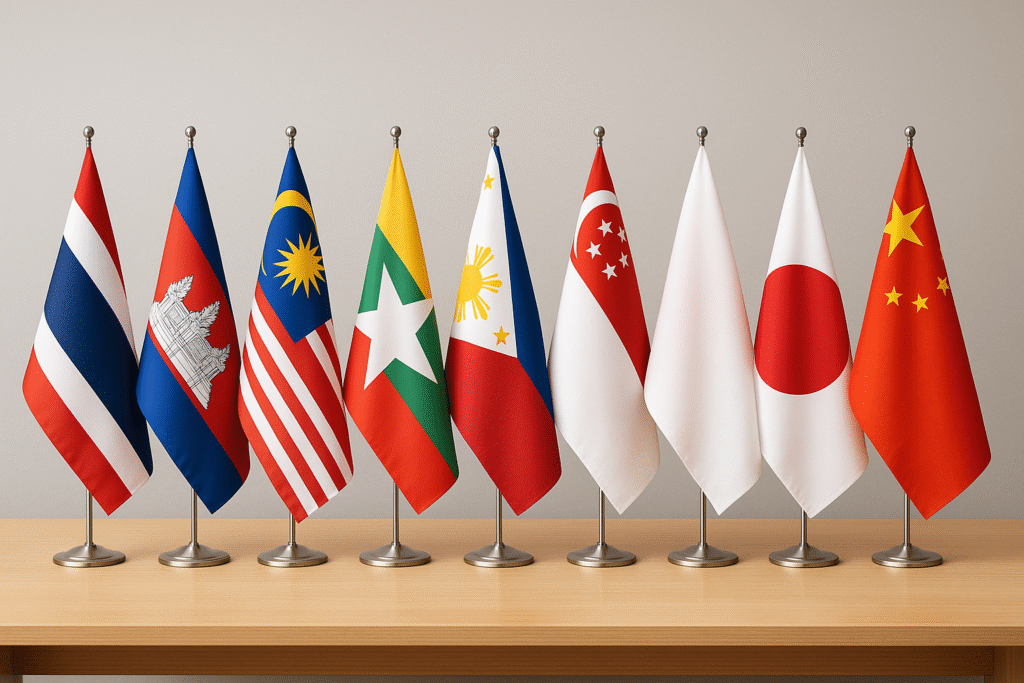
A new era of cooperation in sports is taking shape as Thailand, Cambodia, Malaysia, Myanmar, the Philippines, Singapore, Japan, and China take the lead at the 8th ASEAN Ministerial Meeting on Sports (AMMS-8). The meeting, held in Hanoi, Vietnam, marked a defining moment for the region’s sports landscape. Together, the nations pledged to modernize sports systems, promote inclusivity, and develop sustainable sports initiatives across Asia.
The event showcased the region’s collective ambition to position sports as a driver of social, cultural, and economic progress. By integrating technology, environmental consciousness, and community participation, ASEAN is shaping a stronger, more dynamic sporting future.
AMMS-8: A Milestone in Regional Sports Development
The AMMS-8 gathering served as a platform for dialogue and action among ASEAN ministers, policymakers, and sports leaders. The Deputy Prime Minister of Vietnam emphasized that sports go beyond competition—they are key to improving well-being, building unity, and boosting economies.
He outlined Vietnam’s vision to develop a professional, inclusive sports ecosystem by 2030, with a long-term plan extending to 2045. The approach focuses on ensuring that all citizens, regardless of age or background, have access to sports opportunities. By promoting participation, the goal is to strengthen public health and social cohesion throughout the region.
Five Pillars of ASEAN’s Sports Vision
During the meeting, ministers agreed on five central themes that will guide ASEAN’s sports development efforts:
- Sports for All: Promoting access for every citizen, ensuring inclusive participation across all demographics.
- Smart and Innovative Sports: Integrating digital tools and data-driven systems to enhance performance and fan engagement.
- Green and Sustainable Sports: Building environmentally friendly facilities and promoting eco-conscious events.
- Stronger Regional Cooperation: Strengthening partnerships within ASEAN and with global allies like Japan and China.
- Preserving Traditional Sports: Protecting and revitalizing indigenous games as part of ASEAN’s shared cultural identity.
These priorities reflect ASEAN’s mission to balance tradition with innovation. Ministers emphasized the importance of nurturing local sports heritage while harnessing technology for global competitiveness.
The Role of Technology in ASEAN’s Sports Future
A major focus of AMMS-8 was the integration of smart technologies into the regional sports ecosystem. Nations like Japan and Singapore shared insights into digital transformation in sports—from AI-assisted training systems to data analytics for athlete performance.
The goal is to create a connected, intelligent infrastructure that enhances coaching, broadcasting, and fan engagement. Digital platforms are also expected to increase youth participation, bridging gaps between rural and urban areas.
Vietnam and Malaysia are currently piloting e-sports and digital coaching programs that could become regional models for innovation. This shift represents ASEAN’s growing recognition that sports technology is central to future competitiveness.
Promoting Sustainability and Green Practices
Sustainability emerged as one of the most critical discussion points at the meeting. ASEAN leaders committed to promoting eco-friendly practices in sports infrastructure and events. The focus includes energy-efficient stadiums, waste reduction, and sustainable materials for facility construction.
Singapore presented examples from its Green Plan 2030, showcasing how renewable energy and smart design can minimize environmental impact. Meanwhile, Thailand proposed regional sustainability standards to guide future sports projects.
The ministers agreed that adopting green practices not only aligns with global climate goals but also ensures that sports development supports long-term economic and environmental resilience.
Strengthening International Collaboration
ASEAN’s sports partnerships are expanding beyond the region. Japan and China continue to play crucial roles as dialogue partners, offering technical assistance and investment in sports innovation.
At AMMS-8, both countries reaffirmed their commitment to strengthening cooperation with ASEAN under the AMMS+Japan and AMMS+China frameworks. These partnerships aim to share expertise in sports science, athlete training, and facility development.
The Deputy Secretary-General for the ASEAN Socio-Cultural Community emphasized that such collaborations are vital for creating a transparent, inclusive, and modern sports ecosystem that can compete globally.
The AMMS-8 Joint Statement: A Roadmap for the Future
At the close of the meeting, ministers adopted the AMMS-8 Joint Statement, a strategic document outlining ASEAN’s vision for the 2026–2030 Action Plan on Sports. The plan will serve as a roadmap for advancing sports across the region, focusing on inclusivity, sustainability, and technology integration.
The statement reaffirmed the collective commitment to building a shared sports identity. It highlighted the importance of collaboration in tackling challenges like athlete welfare, gender equality, and digital transformation.
Cambodia to Host AMMS-9 in 2027
Looking ahead, Cambodia was announced as the host nation for the 9th ASEAN Ministerial Meeting on Sports (AMMS-9) in 2027. The next gathering will continue the dialogue on sustainability, digital transformation, and youth engagement in sports.
Cambodia’s selection reflects the growing inclusivity and shared responsibility among ASEAN nations to contribute to regional sports development. The upcoming event is expected to showcase progress made since AMMS-8 and reinforce ASEAN’s united front in global sports diplomacy.
Toward a United and Active ASEAN
Since its inception in 2011, the ASEAN Ministerial Meeting on Sports has evolved into a powerful platform for policy coordination and regional solidarity. Over the years, it has helped countries align on strategies to expand sports access and improve performance standards.
The 2025 meeting in Hanoi marks a turning point. It signals ASEAN’s collective readiness to embrace innovation, inclusivity, and sustainability as the pillars of its sports agenda.
With Thailand, Malaysia, Cambodia, Singapore, Japan, and China leading the charge, the region is entering a transformative phase—one that will not only elevate sports but also strengthen cultural and social bonds across nations.
The discussions at AMMS-8 reaffirmed a shared belief: that sports can unite, inspire, and drive progress across ASEAN. As the region moves forward, this collaborative spirit will continue to shape a vibrant and sustainable future for all.
For more travel news like this, keep reading Global Travel Wire