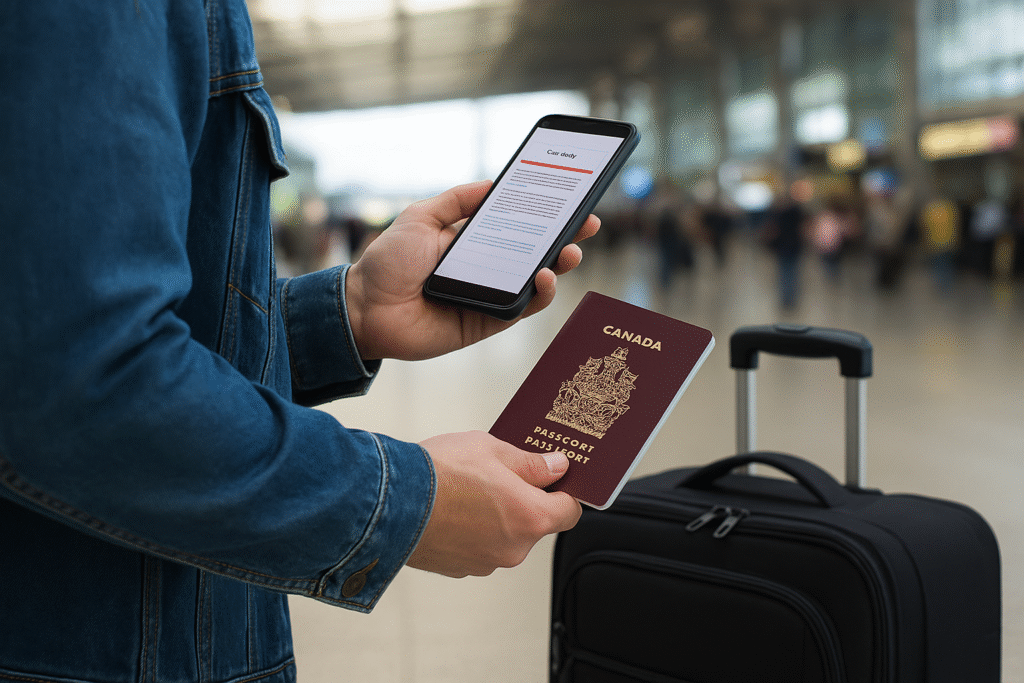
In a sweeping update, the Canadian government has issued a new travel advisory targeting numerous countries around the world. Key destinations such as Spain, the United Kingdom, Germany, Denmark and others now appear on Canada’s list of locations where travellers must exercise higher levels of caution.
This move arrives amid growing concerns over petty crime, terrorism threats and public unrest in several popular tourist hotspots. The intention is to alert Canadian citizens and other international visitors to evolving risks as they plan trips abroad.
Why the advisory?
The fresh advisory is rooted in three major concerns: rising petty crime, elevated terrorism risk and increasing potential for public disorder. Canada’s travel guidance emphasises that even generally safe countries may present specific vulnerabilities in high-traffic tourist zones. In the case of Spain, for instance, authorities note the prevalence of pickpocketing and distraction-style theft in major cities and warn that the terrorism alert level has been raised. Similar caution elements apply to other flagged destinations.
Spotlight: Spain
Traditionally one of Europe’s top travel draws, Spain now finds itself under closer scrutiny. Theft in tourist hotspots like Barcelona and Madrid remains a real concern. Specified warning signs include pickpocketing, bag snatching, and coordinated distraction tactics in crowded areas such as transport hubs, markets and major attractions.
Moreover, Spain maintains a terrorism alert system currently set at a high level. That means while attacks are not imminent, the possibility of targeting public-spaces such as transit terminals, famed landmarks and large gatherings cannot be dismissed. As such, visitors are advised to stay alert, secure valuables, and steer clear of unexpected encounters such as “helpful” strangers directing traffic or offering unsolicited assistance.
United Kingdom: Ongoing vigilance required
The UK remains on Canada’s watch-list given the ongoing threat of terrorism and rising instances of violent incidents in public. Large cities — prominently London — continue to face security challenges. Frequent demonstrations, potential for rapid escalation from protests to violence, and the concentration of tourists in major landmarks all factor into the heightened risk rating.
Travellers are advised to keep their guard up in busy tourist hubs such as Trafalgar Square, Piccadilly Circus and Leicester Square. Vehicle-based attacks and knife incidents, though rare, have happened with little warning. Ensuring awareness of local news, avoiding protests, and keeping personal belongings secure are strongly recommended.
Germany & Denmark: Safe overall, but risks persist
In Germany, the prospect of terrorism remains real despite low overall violent-crime rates. Pickpocketing and organised theft remain prominent in major cities, particularly at transport hubs and during festive events. Online scams targeting travellers are also on the rise, especially when using unsecured Wi-Fi networks or making financial transactions abroad.
Denmark, while generally a low-risk destination, is nevertheless under advisory due to organised crime activity in certain neighbourhoods and the possibility of terrorist-related incidents in public settings. Tourists in places like Copenhagen are urged to avoid poorly lit areas at night, remain alert on public transport, and steer clear of photography in neighbourhoods like Christiania where rules differ.
What travellers should do
- Secure belongings: Don’t leave valuables in plain view. Use hotel safes and keep passports and important documents locked away.
- Monitor your surroundings: Be especially mindful in crowds, transport hubs and large events. Avoid sitting distracted with devices in public places.
- Avoid large gatherings and protests: Demonstrations can turn volatile without warning and disrupt transport, so it’s best to steer clear of them altogether.
- Register travel plans: Canadians are encouraged to register their trip with their government to receive alerts or updates in case of emergency.
- Prepare contingency plans: Know your country’s embassy or consulate contacts, local emergency numbers and evacuation options.
- Stay informed: Follow local media for real-time updates on threats, weather, strike action or unrest that may affect your travel.
- Use official transport: Especially in cities flagged for petty crime, opt for licensed taxis or ride-share services. Avoid over-reliance on late-night public transport in unfamiliar areas.
Bottom line
While travel remains possible to many of the destinations in question, the advisory underscores that no place is completely immune to risk. Countries like Spain, the UK, Germany and Denmark continue to attract millions of visitors annually — and remain well-prepared to host tourists. However, the elevated advisory from Canada sends a clear signal: travellers now must exercise greater awareness and take proactive safety steps.
Tourism does not need to stop because of these advisories — but trips should be planned with caution, flexibility and vigilance. Failing to prepare may turn a dream holiday into a preventable hassle. With informed planning and sensible precautions, travellers can still enjoy these destinations safely.
For more travel news like this, keep reading Global Travel Wire