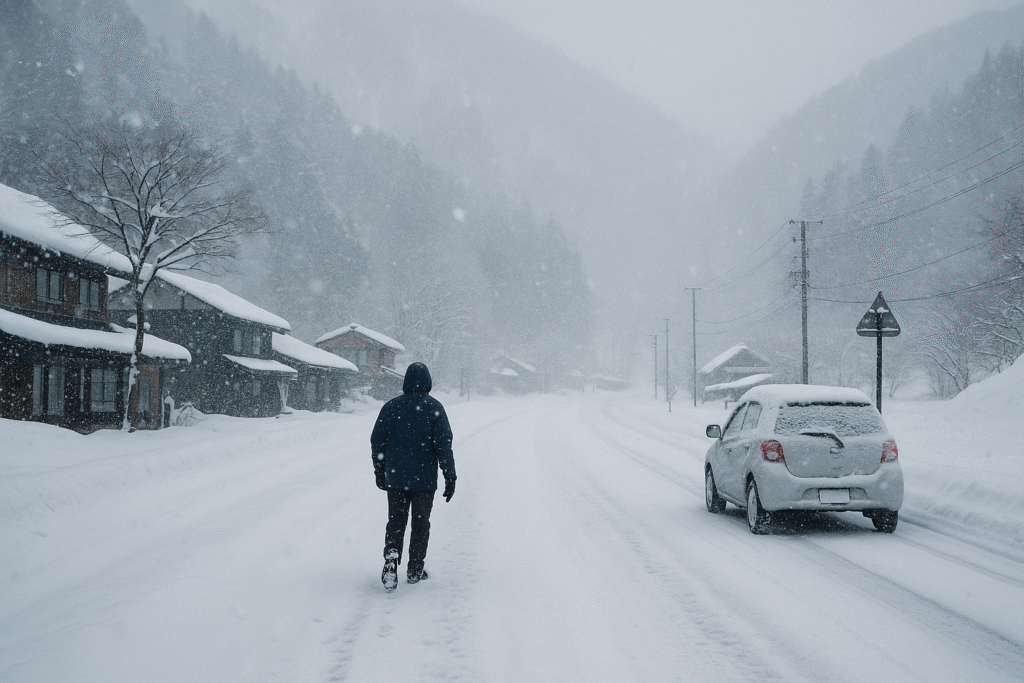
As winter 2025 draws near, several of Asia’s coldest and most remote regions — including parts of Japan, Siberia, Mongolia, Nepal and Kazakhstan — are gearing up for an unusually intense season. This winter promises extreme cold, heavy snowfall and major disruptions. Tourists and travellers must stay alert and plan carefully to avoid serious hazards.
Siberia & Northern Asia: The “Siberian High” tightens its grip
In northern and central Asia, the anticipated strengthening of the so-called “Siberian High” cold air mass may bring prolonged and severe winter conditions. Areas of Russia’s Siberia, Mongolia and Kazakhstan, already accustomed to harsh winters, could face even lower temperatures and deeper snow.
Transport links may falter, power supplies may strain, and remote communities may feel the effects strongly. Roads can ice over or become impassable; air travel may face cancellations. Tourists venturing into these regions should factor in additional risks, fewer services and the possibility of being temporarily isolated.
Japan and the Sea-of-Japan coast: Heavy snow and sudden freezes
In East Asia, the Hokkaido region and Japan’s Sea of Japan coast are expected to receive heavy snowfall, with sharp cold outbreaks hitting from late autumn onward. In fact, meteorological agencies warn that from mid-November onward, cold air masses will rapidly replace what may have been a mild autumn.
Areas such as Niigata, Fukushima and Gifu may find flights, trains and roads severely delayed or blocked when snowstorms hit. While northern Japan might see near-normal precipitation, many parts of central and southern Japan could experience below-normal snowfall but colder conditions, making travel unpredictable.
For travellers, this means ski resorts and winter tours may still be accessible—but with higher chance of sudden closures. Warm clothing, flexible itineraries and access to emergency information are crucial.
Mongolia & Kazakhstan: Steppe and mountain regions under threat
In Mongolia, and across Kazakhstan’s steppes and mountainous zones, the combination of extreme cold and heavy snow raises serious concern. Particularly in Mongolia, where nomadic herding communities face “dzud” winters (a syndrome of heavy snow cover followed by deep cold), this winter could strain both infrastructure and livelihoods.
In Kazakhstan, cities like Almaty and Astana may face unusually low temperatures coupled with heavy snow. Harsh transport conditions could affect mountain passes and high-altitude travel zones. Tourists planning nature treks, wildlife safaris or winter-sports trips should check local forecasts and ensure ground transport is well prepared for snow and ice.
Himalayan region (Nepal & Northern India): Winter hazards beyond snow
In the Himalayan zone, including parts of Nepal and India’s northern states, the risks extend beyond cold and snow. With glaciers retreating and glacial-lake outburst floods (GLOFs) becoming more likely, heavy snowfall followed by thaw or sudden freezing may cause landslides, floods and avalanche risk.
Popular high-altitude trekking regions such as the Annapurna Circuit or routes around the Mount Everest region may temporarily lose shelter capacity or face trail closures. Heavy snow on high mountain roads can cut access, and glacial meltwater may build up dangerous lakes behind ice or rock dams.
Travel tips for winter 2025 in Asia
- Monitor weather updates: regional meteorological bodies are forecasting La Niña-like or neutral phases, which affect cold-air movement and snow cover across Asia.
- Build extra buffer time into itineraries for possible delays or cancellations.
- Pack for severe cold, deep snow and remote conditions. Include layers, insulated footwear, emergency kit and travel insurance covering weather-related disruptions.
- Choose accommodation with local access and backup power if staying in remote zones.
- Stay flexible: high-altitude treks or snow-bound routes may need last-minute changes or cancellations.
- Ensure reliable local transport: in snow-heavy zones, roads may require snow tyres or may become impassable; consider guides or companies experienced in winter conditions.
Final thought
Winter 2025 promises to test the resilience of several Asian regions known for their cold and snow. From Siberia’s chilling plains to Japan’s heavy-snow coasts, and from Mongolian steppes to Himalayan high-trails, conditions could become more extreme than recent years. For travellers, being informed, flexible and prepared will make the difference between a memorable winter adventure and unnecessary risk.
For more travel news like this, keep reading Global Travel Wire