As the countdown to the 2026 FIFA World Cup begins, the United States is preparing far beyond just hosting world-class football matches. Major cities including New York City, Los Angeles, Dallas, Atlanta, Philadelphia and others are at the forefront of what experts are calling a “tourism rewrite” — a transformation in travel, infrastructure and global positioning for America’s host cities.
A Nationwide Economic & Tourism Overhaul
With an estimated 5 million or more fans expected to attend across North America, the 2026 World Cup will be the largest in history and the lead beneficiary in the U.S., Canada and Mexico trio. Multiple economic forecasts point to the U.S. capturing the lion’s share of visitor dollars, job creation and citywide investment. Analysts expect billions in spending on lodging, entertainment, transportation and tourist experiences.
Cities such as New York and Los Angeles already feature prominently in impact studies: the Los Angeles County projection shows nearly $600 million in regional economic activity from the tournament alone, along with significant tax revenue gains and wage increases across hospitality, retail and transport sectors. Meanwhile, Seattle’s local forecast anticipates close to $1 billion in economic impact for its match-hosting region, with thousands of jobs tied directly to the event.
Host Cities at Center Stage
Each of the host metros is treating the tournament as more than a sporting moment—it’s a strategic pivot in their travel and event-economy portfolios.
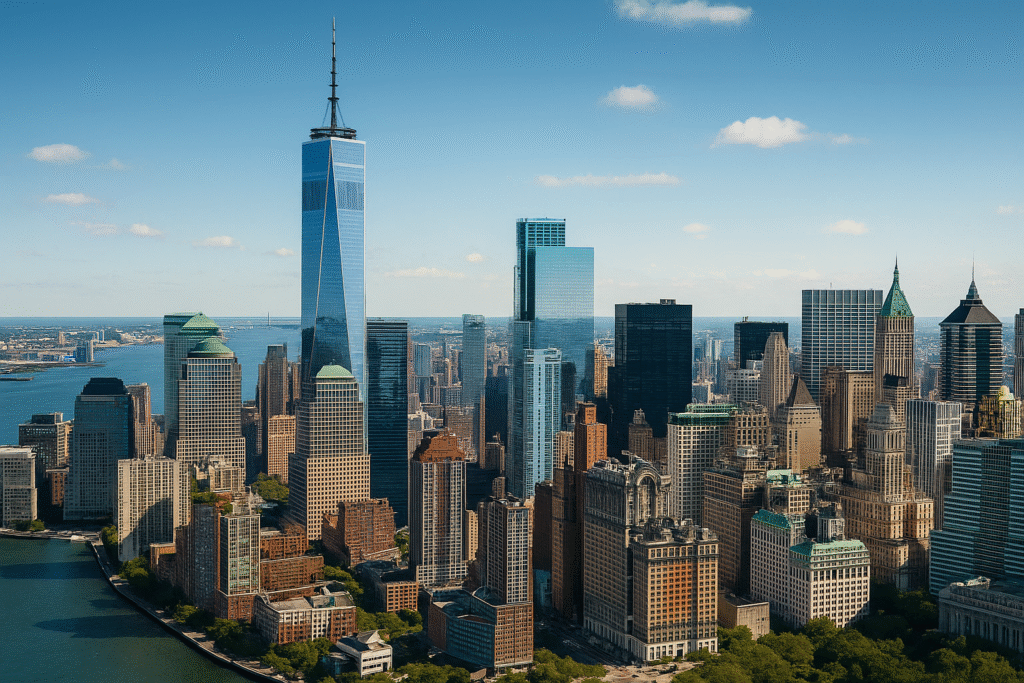
- New York/New Jersey is positioned as a global showcase: with the final match to be played in the region, visitor numbers—both domestic and international—are expected to spike sharply.
- Los Angeles — a city built on entertainment, hospitality and global visitor flows — is leveraging the World Cup to expand and upgrade airports, transit and fan-experience zones.
- Dallas is scaling up its smart mobility and infrastructure systems in preparation for heavy traffic, elite events and a large number of matches.
- Atlanta and Philadelphia are also stepping up: Atlanta’s sports tourism identity is growing, while Philadelphia is recalibrating its cultural-tourism assets to welcome a broader international audience.
In all of these centres, hotel chains and travel operators are already adjusting capacity, interpreting early demand signals and repositioning themselves for extraordinary occupancy rates and visitor spending far above typical seasonal levels.
Jobs, Infrastructure & Legacy Impact
Key to the tourism rewrite is the pairing of event-fuelled short-term hiring with long-term infrastructure investment. Stadium renovations, transit upgrades, airport modernisation and smart-city mobility systems are being fast-tracked.
Large numbers of jobs—construction, transport, hospitality, security, retail and event management—are expected to come online ahead of and during the tournament. Beyond the event itself, many cities view these investments as legacy assets: modernised airports, enhanced public transit links and refreshed hospitality districts will serve tourism and business travel for decades after the final whistle.
Tourism Demand & Global Appeal
In terms of global tourism strategy, the U.S. is using the World Cup as a lever to refresh its image as a premiere travel destination. Cities aim to capture not just fans attending matches, but travellers combining football, cultural experiences, sightseeing and city breaks.
Hotel and accommodation demand is already registering growth. Major urban tourism destinations are planning fan zones, cultural exhibits and match-day festivals to maximise the visitor stay and spending. The expected ripple effect: a rise in international visitors long after the tournament ends, as the U.S. hosts leverage exposure from the global broadcast footprint.
Technology, Connectivity & Smart Travel
Supporting this tourism surge is a wave of technology and transport upgrades. Cities are bolstering their airports, refining crowd-management systems, expanding rail and light-rail links, and installing digital infrastructure to manage massive visitor flows. This is not simply about one month of matches—it’s about modernising urban travel for the long haul.
Challenges Ahead
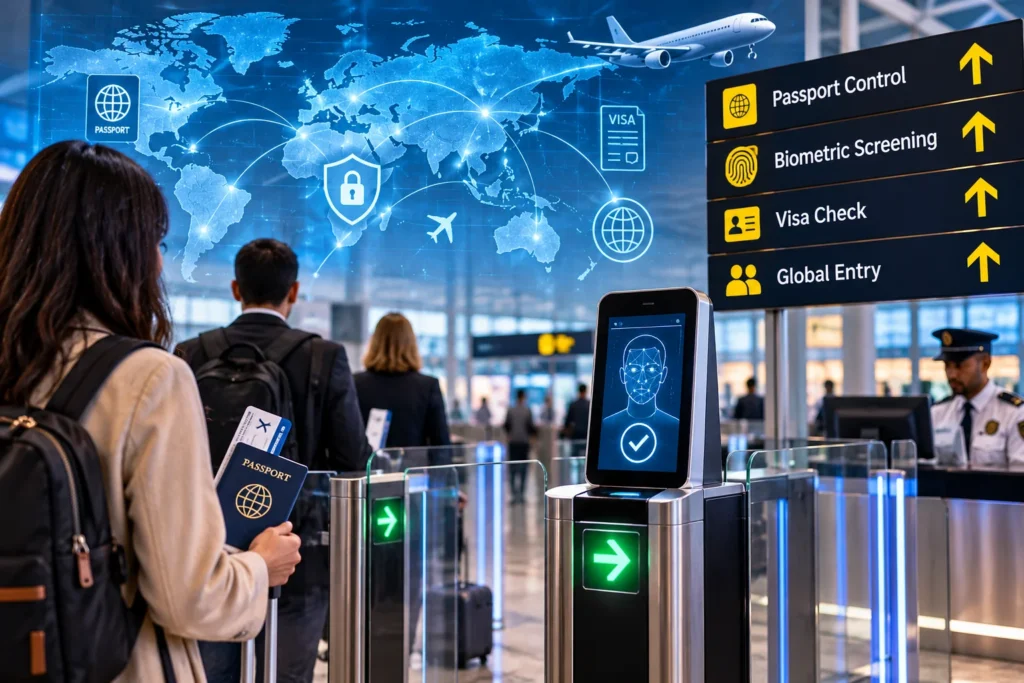
Despite the optimism, risks remain. International visitor growth could be hindered by visa delays, entry-processing bottlenecks and perceptions of travel friction. Tourist-industry insiders caution that unless border and entry systems perform smoothly, some of the projected visitor numbers may be at risk. These issues underscore that the rewrite is not just about buildings and travel routes—it’s about creating a seamless visitor experience.
The Big Picture: A Tourism Renaissance
In sum, the 2026 World Cup is more than a sports event—it is the catalyst for America’s next chapter in travel and tourism. Cities like New York, Los Angeles, Dallas, Atlanta and Philadelphia are leading a nationwide rewrite of how the U.S. presents itself to the world: as modern, connected, welcoming and globally competitive. The benefits will extend far beyond match-day crowds—boosting tourism, creating jobs, and leaving infrastructure and urban renewal legacies.
As the world converges on American cities for football’s greatest stage, the U.S. isn’t just hosting—it’s reinventing its tourism identity for the 21st century. The match may last weeks, but the rewrite is built to last.
For more travel news like this, keep reading Global Travel Wire