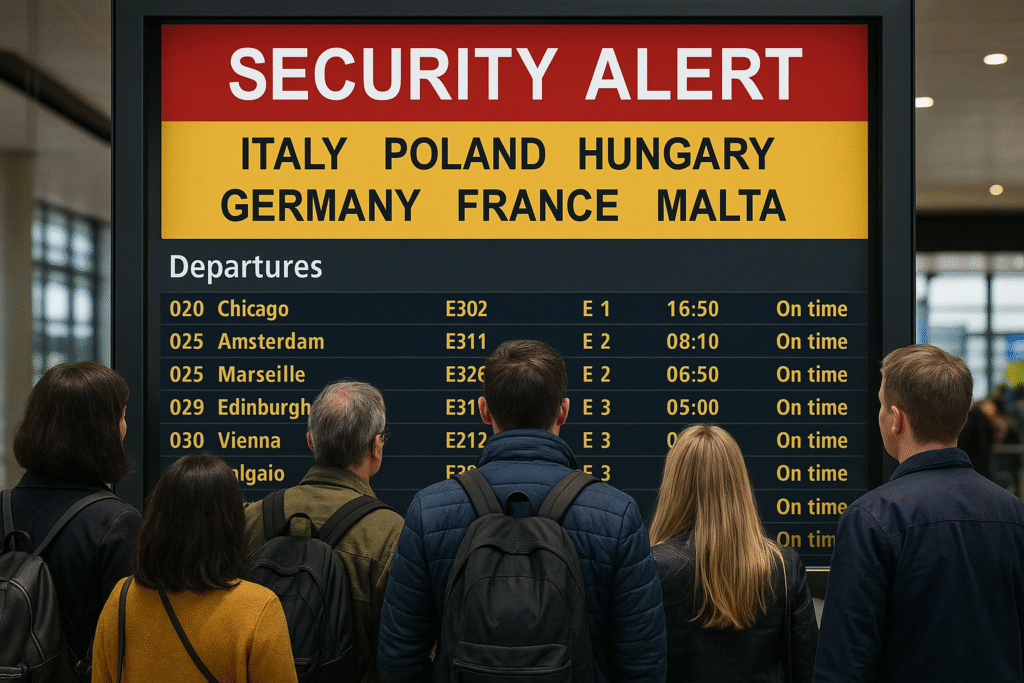
The UK government has issued a new travel advisory affecting popular European destinations such as Italy, Poland, Hungary, Germany, France and Malta. The alert warns British travellers of growing security risks, evolving visa and border-control rules, and the complications posed by high-profile events and the new EU Entry/Exit System (EES). With global tensions on the rise and major international gatherings ahead, UK nationals are being urged to stay alert and prepared.
Why Italy Is a Key Concern
Italy remains a top tourist draw, but the advisory highlights increasing concerns over terrorism threats and crowded events in cities like Rome, Milan and Venice. Italian authorities are on heightened alert due to global instability and the scale of upcoming cultural and sports events. New border processes and stricter entry checks add further complexity. Travellers are advised to remain vigilant in busy venues, follow instructions from local authorities, and allow extra time for entry and exit formalities.
Poland: Border Risks and Political Unrest
Poland’s proximity to the Ukrainian conflict zone elevates its risk profile. Restrictions near the Ukraine-Poland border remain in effect, and large protests in urban centres like Warsaw or Kraków can suddenly escalate. The advisory warns tourists to stay away from border zones, keep abreast of local developments and avoid large demonstrations. With rising security measures and the potential for disruption, travellers should build flexibility into their plans.
Hungary: Entry Rules and Everyday Safety
In Hungary, the primary concerns include the introduction of new entry rules under the Schengen regime and the risk of petty crime in major tourist zones. UK travellers need to ensure their passports meet validity guidelines and that their stays do not exceed 90 days within 180 days unless they apply for the appropriate visa. Tourists in Budapest and other hotspots should stay alert to bag-snatching and pick-pocketing, especially in crowded districts.
France: Terror Threats and Protest Disruptions
France remains a major destination for British tourists but continues to face persistent risks. The advisory points out possible terrorist attacks in popular areas and transport hubs. Frequent industrial strikes and civil protests also pose potential travel disruptions — particularly in cities like Paris and Nice. Visitors are encouraged to avoid large rallies, monitor public transport schedules and secure valuables when moving about tourist sites.
Malta: Island Appeal Versus Heightened Vigilance
Malta’s charming Mediterranean appeal draws many visitors, yet it too features in the advisory. Though violent crime is rare, the island’s strategic location raises security sensitivities and underscores the importance of being travel-ready. UK nationals must confirm their passports meet Schengen standards and be aware of biometric checks under the new EES process. Standard precautions against theft apply.
Germany: Unrest, Terror Threats and Stringent Controls
Germany holds a significant place in European travel, business and tourism. The advisory underscores risks stemming from political demonstrations, particularly in Berlin and Munich, and lingering terrorism concerns. With the EES system coming into force, travellers should anticipate possible delays at airports and land borders. Ensuring correct documents and staying away from protest zones helps reduce risk.
Key Advice for All Travellers
Travel Insurance: Obtain comprehensive coverage that includes cancellation, delay and security-related disruptions — many standard policies may not cover novel border systems or heightened security measures.
Stay Updated: Sign up for UK travel-alerts and read the latest guidance for the destination country. Unexpected changes can occur.
Understand Entry Rules: The EU’s EES system launches on 12 October 2025 and is being rolled out until full implementation by April 2026. UK nationals must register biometric data, and may face longer border queues.
Be Security-Aware: In popular tourist areas, remain vigilant in crowded spaces, follow instructions from local law enforcement and avoid large gatherings or protest zones.
The EES Factor: What Travellers Should Know
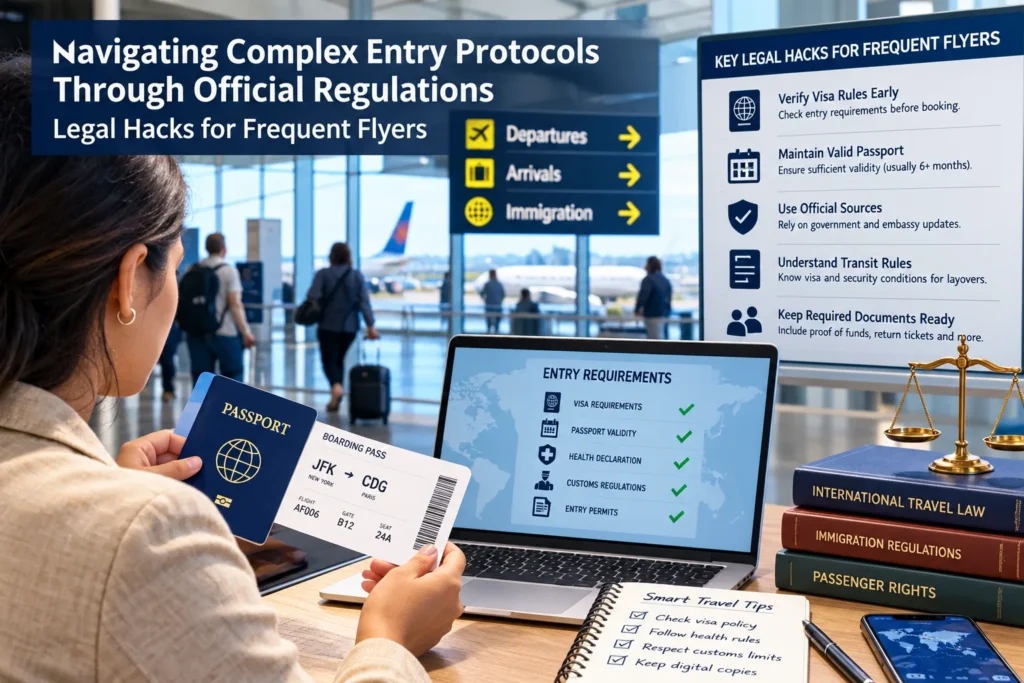
From 12 October 2025 the EU’s Entry/Exit System (EES) begins, affecting UK travellers to Schengen countries. The system replaces passport stamps with digital records and requires fingerprint and facial scans. Travel experts expect some initial delays at border control as infrastructure adapts. With full rollout promised by April 2026, travellers should allow extra time, carry proof of accommodation, return tickets and be ready for questions about travel duration and funds.
Final Thoughts
As Europe continues to welcome global travellers, the combination of security risks, evolving visa and border-management systems, and high-profile events demands caution. UK nationals heading to destinations such as Italy, Poland, Hungary, Germany, France and Malta should plan carefully, stay alert and make sure their documentation is in order. By doing so, they can mitigate risks and enjoy their trips more confidently.
For more travel news like this, keep reading Global Travel Wire