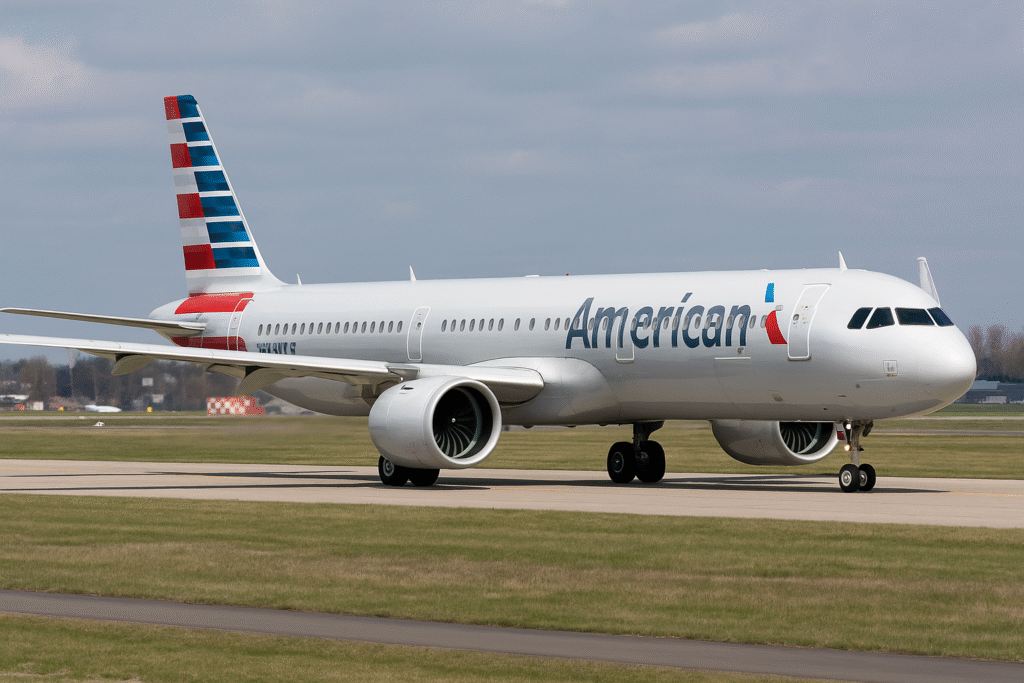
American Airlines is raising the bar for U.S. air travel. Starting December 2025, the airline will fly the new Airbus A321XLR between New York (JFK) and Los Angeles (LAX). This upgrade replaces the older A321T and promises a fresh, comfortable, and efficient experience for passengers.
The A321XLR, short for “Extra Long Range,” marks a new era for American’s domestic network. The aircraft’s fuel efficiency and extended range allow the airline to operate long domestic routes with less cost and greater comfort.
Inside the A321XLR: Comfort Meets Modern Design
The new aircraft comes with 155 seats, split into 20 business-class suites, 12 premium economy seats, and 123 in economy. Each cabin is designed to maximize comfort and space.
Business class features lie-flat seats with direct aisle access, while premium economy offers wider recliners and more legroom. Even economy passengers can expect improved lighting, larger overhead bins, and faster in-flight Wi-Fi.
American is not just upgrading comfort—it’s redefining transcontinental service. The design focuses on passenger needs: power outlets, USB-C ports, Bluetooth audio, and a quieter cabin.
Flight Schedule: JFK to LAX Convenience
The A321XLR will operate one round-trip daily when it launches. Flight AA3 leaves JFK at 11:00 a.m. and lands in Los Angeles at 2:18 p.m. The return, AA4, departs LAX at 3:20 p.m. and reaches New York at 11:46 p.m.
This schedule caters to both business and leisure travelers. Flyers can attend meetings in Los Angeles or New York and return the same day, enjoying full-service amenities along the way.
Why American Chose the A321XLR
American Airlines will be the first U.S. carrier to operate the A321XLR. The aircraft fits perfectly into the airline’s long-term plan to modernize its fleet.
With up to 50 A321XLRs on order, American aims to retire older, less efficient planes. The new model delivers lower fuel burn, reduced emissions, and greater flexibility. It can cover both domestic routes like JFK–LAX and future long-haul destinations across the Atlantic.
For the airline, it’s a strategic investment that combines comfort, sustainability, and profitability.
Competitive Advantage on a Crowded Route
The JFK–LAX route is among America’s busiest and most profitable. American faces stiff competition from Delta and JetBlue, both of which offer strong transcontinental services. Delta uses wide-body aircraft like the A330, while JetBlue relies on A321neo jets with its Mint Suite product. Frontier Airlines adds low-cost options to the mix.
American’s move to the A321XLR gives it a new edge. The aircraft’s cabin layout offers a balance between premium and economy seating, giving travelers more choices. Business flyers get a world-class experience, while leisure passengers enjoy upgraded amenities at competitive prices.
What Passengers Can Expect
The A321XLR experience will emphasize comfort and connectivity. Here’s what travelers can look forward to:
- Business Class: Private suites, lie-flat beds, and enhanced dining service.
- Premium Economy: Wider seats, extra legroom, and priority boarding.
- Economy: Better seating design, faster internet, and in-seat power for every passenger.
The aircraft’s modern cabin air system and quieter engines make it ideal for long-haul comfort, even on domestic routes.
Fleet Modernization for the Future
American’s A321XLR rollout forms part of a decade-long modernization strategy. The airline continues to reduce its carbon footprint while expanding its network.
By choosing the A321XLR, American gains an aircraft that’s versatile enough for domestic and international service. It can efficiently fly from the East Coast to Europe, opening routes that previously needed larger planes.
This shift reflects how airlines are adapting—using smaller, fuel-efficient jets to reach more destinations without compromising passenger experience.
A New Era for Cross-Country Travel
The A321XLR’s debut on the JFK–LAX route is more than just an upgrade—it’s a transformation of how Americans travel coast to coast.
The aircraft bridges the gap between domestic and international service, offering premium-level comfort on U.S. soil. Passengers will notice smoother rides, quieter cabins, and improved in-flight entertainment.
For American Airlines, it’s a statement of intent: innovation, comfort, and sustainability will drive the next chapter of U.S. aviation.
In summary, the Airbus A321XLR gives American Airlines a powerful tool to enhance its most competitive routes. Shorter flights feel more luxurious, operations grow more efficient, and passengers gain more choices. As the airline begins service in 2025, coast-to-coast travel is set for a major upgrade—one that blends comfort, technology, and a greener future for aviation.
For more travel news like this, keep reading Global Travel Wire