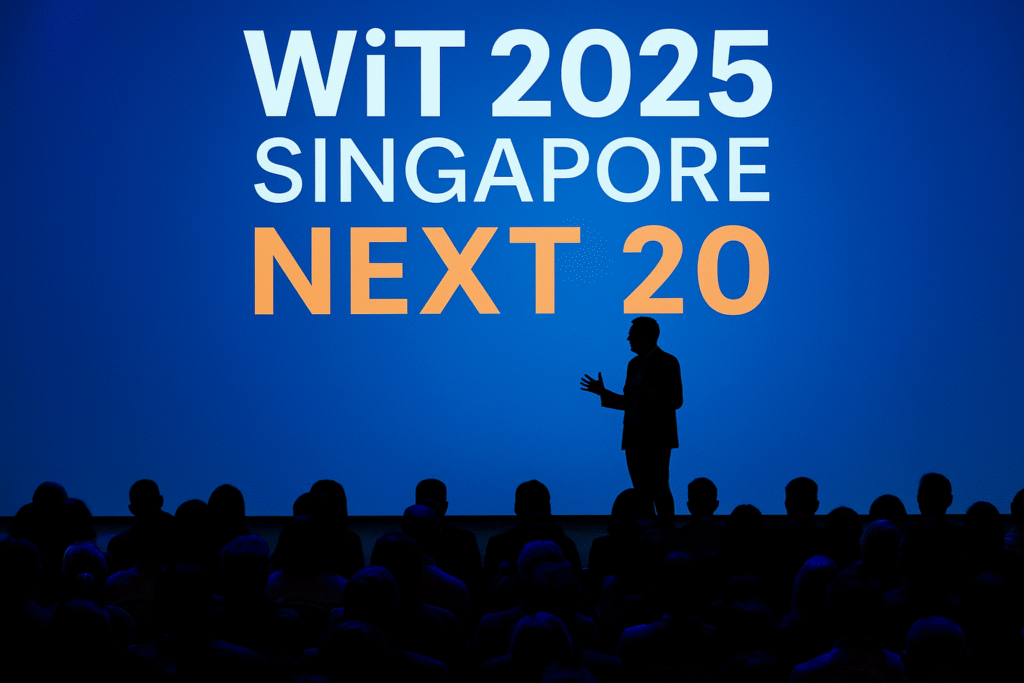
Singapore recently hosted the landmark 20th-anniversary edition of Web in Travel (WiT) 2025, assembling global leaders to explore the future of travel technology. This year’s theme centred on trust, inclusion and human-centred innovation as the industry pauses to reflect on its evolution and shift toward the next two decades.
A New Era for Travel Begins
On day one, discussions focused on how travel distribution models will evolve. Speakers argued that the traveller remains the central driver of change. They explored how ownership of data, emerging AI tools and new business models intersect with trust and transparency in travel. A high-energy debate asked the provocative question: Who wins in the age of AI? Audience votes pointed to travellers, disruptors and new platforms as the rising forces reshaping the market.
Reinventing Search, Booking and Experience
Panels on metasearch and online travel agencies (OTAs) delved into reinvention and adaptability. Speakers noted that continuity no longer stems from legacy distribution models but rather from flexibility, purpose and emotional connection. One major OTA detailed how it plans to move beyond bookings into financial services and real-time, AI-powered personalization. Meanwhile, hospitality leaders argued that loyalty now means co-creating meaningful experiences—not simply earning points. These discussions underscored how experience design now sits at the heart of travel innovation.
Asia’s Travel Ecosystem in Focus
Day two shifted attention to inclusion, regional dispersal of travel benefits and the role of Asia’s travel ecosystem in shaping global trends. One session unpacked inbound tourism recovery in Japan and stressed the necessity of spreading tourism beyond major hubs to benefit regional communities. Another emphasised the importance of human-led rather than tech-led innovation as AI integration accelerates. Executives called for collaboration across airlines, OTAs, regulators and tech providers to ensure synchronized data systems and traveller trust.
Trust, Inclusion and Tech with Purpose
Through multiple keynotes and panels, the conference reinforced that next-generation travel must build on human values. Panelists argued that technology must serve people and communities rather than replace them. They anticipated solo travel, small-group journeys and deeper cultural experiences as rising trends. Amid all the excitement around innovation, a persistent message emerged: the most compelling travel stories belong to the people behind them.
Visioning the Next Twenty Years
The closing sessions invited attendees to imagine travel in 2045. Speakers suggested that “living as a service,” medical tourism, and purpose-driven travel experiences may move from niche to mainstream. One session called on the industry to map risks alongside opportunities: What happens when AI personalizes everything? How do we ensure meaningful human choice remains? These provocations framed the industry’s next chapter as one of balance between digital acceleration and human agency.
Tourism Industry Impacts
For tourism boards and destinations, WiT 2025 offered clear take-aways. The rise of data-driven personalization, immersive travel technologies and broader definition of experiences means destinations must rethink how they attract and serve visitors. Destination marketing now needs to emphasize authenticity, community connection and adaptability to new tech-enabled travel behaviours. Moreover, those destinations that successfully embed inclusion—ensuring benefits reach regional, rural and underserved communities—stand to gain the most.
Why This Matters for Asia and Beyond
Asia Pacific hosted the event’s flagship edition and once again demonstrated its central role in global travel innovation. With strong representation from disruptors, startups, and new-age travel platforms, WiT 2025 proved that Asia not only follows global trends—it sets them. For international visitors, industry stakeholders and travel businesses alike, the insights and connections formed at the event will guide strategic decisions for years to come.
Practical Tips for Travel Businesses and Destinations
- Embrace personalization: Travel brands should invest in AI-enabled tools that tailor offers, messaging and experiences to individual needs.
- Design human-led experiences: Systems and services must enhance, not replace, human connection in travel.
- Prioritize inclusion: Destinations should spread tourism benefits to regional and emerging areas to capture growth and support communities.
- Prepare for new journey models: Solo travellers, micro-groups and purpose-driven trips are on the rise; meet them where they are.
- Collaborate across sectors: Airlines, OTAs, hotels and destinations must align data, tech and strategy to deliver unified travel journeys.
Final Word
With WiT Singapore 2025 defined by the “Next 20” theme, the travel industry took a hard look at itself—and the path ahead. The message emanating from the three-day forum was clear: technology alone does not chart the future of travel. Experience, trust and human-centred innovation power the next wave of growth. For destinations, travel businesses and tourists, the event signals a time of change where journeys will become not only smarter, but more meaningful. As the industry transitions from the first twenty years to the next, Singapore once again stood at the crossroads of global travel transformation.
For more travel news like this, keep reading Global Travel Wire