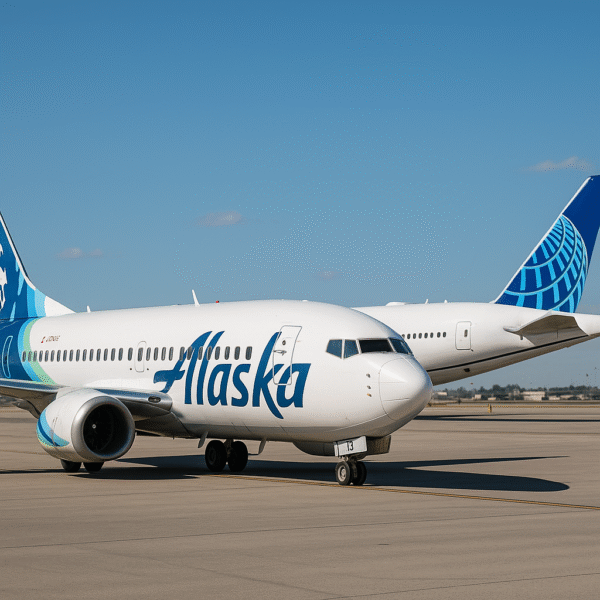
Tourists planning travel across the United States are finding more choices than ever. Two major carriers are rewriting the rules: Alaska Airlines is leading in the sheer number of transcontinental flights, while United Airlines has gained the edge in how many seats it offers across those routes. Together, they are creating a more flexible, comfortable travel landscape for both leisure and business visitors.
Alaska Airlines Gains Flight Frequency Edge
Alaska Airlines has sharpened its focus on coast-to-coast connectivity, stepping up operations in key hubs like Seattle, Los Angeles and New York. Recent industry data shows Alaska scheduled over 1 400 flights on major transcontinental routes this year, about 30 % more than its nearest competitor.
The airline emphasises direct, frequent options using fuel-efficient Boeing 737 MAX aircraft. For travellers this means more departure times, less waiting, and fewer indirect connections. For tourists looking to hop between iconic U.S. destinations, the expanded schedule boosts convenience and choice.
United Airlines Pushes Seat-Capacity Leadership
On the other side, United Airlines is concentrating on big-aircraft service on core cross-country routes. In October, United offered around 227 000 seats on transcontinental flights — roughly 10 % more than Alaska, despite operating fewer departures.
United deploys wide-body jets like the Boeing 787 and 777 on high-volume legs such as Newark–San Francisco and Los Angeles–Newark. That gives passengers more space, premium-class options, and a higher-comfort experience. For tourists who value comfort — especially on long segments — this seating capacity advantage is a clear draw.
What It Means for Tourism and Hospitality
This airline competition is rippling across the travel industry. More flights and more seats mean more tourists arriving in major U.S. gateways. That lifts demand for hotels, attractions, tours and other services.
Cities like Seattle and Los Angeles are seeing increased booking volumes in the hotel sector. Frequent, flexible flight access invites travellers to extend stays, visit multiple cities or choose premium lodging more often. Hospitality providers are responding with airline-partner packages, offering bundled deals that appeal to the frequent transcontinental flyer.
Travel Experience: Pick Your Priority
If you prioritise flexibility and schedule options:
Alaska Airlines is the strong bet. With more flights, you’re less likely to be locked into one fixed departure time — useful for tourists who want spontaneity.
If you prioritise comfort and premium service:
United Airlines gains the edge. Its large-aircraft layout, enhanced seating and amenities serve travellers seeking a more refined journey.
Both carriers now also leverage loyalty programmes (Alaska’s Mileage Plan and United’s MileagePlus) that include flight rewards, upgrades and partner-hotel benefits. Tourists who travel across cities or repeatedly within the U.S. can capitalise on those.
Smart Tips for Travellers
- Book early – With more flights available on Alaska and more seats via United, early booking still secures better fares and seat choices.
- Compare loyalty programmes – Frequent flyers should explore which rewards suit their style (budget vs. premium) and destination patterns.
- Match airline to trip type – If you plan a multi-city West Coast visit or day-trip hops, Alaska’s frequency helps. If you’re flying coast-to-coast then connecting internationally, United’s capacity and network may deliver more comfort and efficiency.
- Consider premium options – On United, business or premium economy seats may offer flat beds, lounge access, and other services. On Alaska, upgraded seats and priority boarding enhance value for budget-conscious comfort.
- Travel light for agility – Direct flights (especially with Alaska) can help skip long layovers and make hotel-check-in easier; carry-on-only travel can reduce time and cost.
Final Word
In the evolving U.S. air-travel scene, Alaska Airlines and United Airlines are setting the pace. Alaska’s dominance in flight count gives tourists more timing options. United’s strength in seat capacity supports travellers who value space and premium service.
The resulting competition is a win for tourism: increased arrival volumes, better connectivity, and more lodging demand. Whether you’re planning a coast-to-coast adventure or a multi-city break, you’ll find carriers ready to deliver on flexibility and comfort.
As airlines and hotels align their offers to meet traveller demand, 2025 is shaping up to be a strong year for cross-country U.S. tourism.
For more travel news like this, keep reading Global Travel Wire