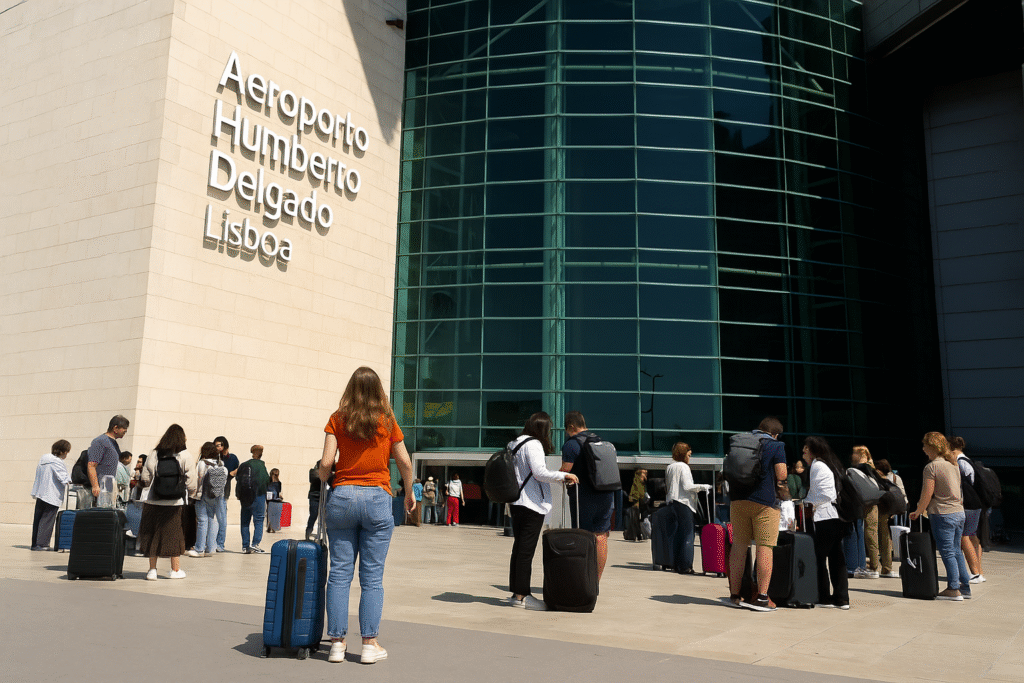
Portugal’s tourism industry has sounded the alarm following the partial rollout of the European Union’s new Entry/Exit System (EES), which is already causing significant delays at one of the nation’s busiest gateways, Humberto Delgado Airport (Lisbon Airport). The national hotel industry association, Associação da Hotelaria de Portugal (AHP), has formally urged the government to act swiftly, warning that prolonged border-control issues threaten the country’s reputation as a premier travel destination.
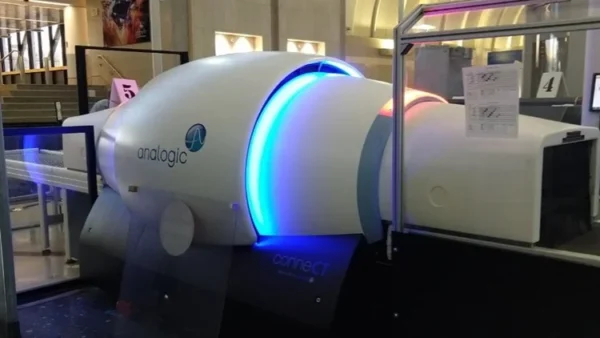
The EES is designed to modernise and digitalise border crossings for non-EU nationals entering the Schengen Area. Under the new regime, visitors subject to short-stay rules must submit biometric data—such as a facial image and fingerprints—while their arrivals and departures are electronically recorded rather than simply stamped by a border officer. Officials say the system is intended to enhance security, improve tracking of visitors, and gradually speed up traveller throughput. Portugal has begun preparing its infrastructure to rollout the system, installing biometric kiosks and updating border-control operations ahead of full implementation.
However, even in its early phase the transition to EES has triggered delays and operational strains at Lisbon Airport. AHP reports that queues for non-EU visitors have lengthened, with biometric processing bottlenecks, understaffed immigration booths, and limited technical capacity contributing to a degraded visitor experience. Given that tourism accounts for roughly 12 % of Portugal’s GDP, the stakes are high: any downturn in visitor satisfaction or increased entry friction can ripple into hotel occupancy, airport connections and the broader travel-value chain.
The concerns extend beyond mere queues. AHP warns that extended delays may jeopardise the competitiveness of Portugal’s aviation hub and weaken the regional appeal of Lisbon for international passengers. The country’s flag carrier hub and low-cost connections rely heavily on smooth flow through the airport; when delays cause missed connections or poor immigration experiences, airlines may retain fewer passengers, and tourists may choose alternate destinations in Spain or elsewhere. Additional complaints include saturation of baggage claim zones, longer waits for ground transport and general degradation of first impressions of Portugal.
Looking ahead, the complexity of the EES rollout is expected to deepen. After the initial phase, a larger influx of travellers will be required to process biometric information through self-service kiosks—adding pressure to border infrastructure. As Portugal moves towards the next phase, which will apply to some 35 % of incoming passengers via automated systems, industry players worry that the existing setup lacks adequate staffing, hardware and contingency planning for peak holiday or cruise arrival flows. If unchecked, the situation could result in not only delays but reputational harm: tourists may face extended waiting times, frustrated experiences and rethink future visits.
In its correspondence with the Prime Minister and ministers responsible for tourism, transport and interior affairs, the AHP laid out actionable steps. Among these: immediate reinforcement of immigration staffing during peak periods; activation and expansion of e-gate facilities for frequent travellers; setting and monitoring maximum threshold wait-times for third-country nationals; compiling quarterly public reports on waiting times and technical incidents; and a national contingency plan to manage high-traffic periods and systems overload. These measures are proposed as both short-term fixes and elements of a longer-term strategy to safeguard Portugal’s competitive position in the global tourism market.
For travellers considering Portugal, this situation may signal a transition period rather than a deterrent. Leisure travellers from non-EU countries should expect some potential friction at entry, particularly at Lisbon Airport, and consider allowances for additional processing time. Meanwhile, travel-trade professionals and tour operators are advising buffer time for arrival transfers, flexible scheduling and clear communication with customers about new border protocols. On the destination side, regions outside Lisbon—such as the Algarve, Porto and the Azores—may wish to emphasise direct arrivals and smooth entry routes until the national rollout stabilises.
Despite the concerns, there are optimistic undertones. Portugal has invested in upgrading border-control infrastructure and aligning with the EU’s future-oriented EES framework. The introduction of biometric kiosks and automated passenger-flow solutions becomes part of a broader digital-transformation ambition. If implemented effectively, the system ultimately promises to deliver faster and more secure border crossings—potentially strengthening the travel proposition rather than weakening it. The key for Portugal now lies in managing the interim phase without damaging its tourism-brand momentum.
In conclusion, the rollout of the new EU Entry/Exit System at Portuguese airports has unearthed significant operational challenges—most visible at Lisbon Airport—just as the country’s tourism sector seeks full recovery. With industry bodies calling for immediate government intervention to safeguard visitor experience, the balance between enhanced border security and efficient traveller processing is under scrutiny. Portugal’s ability to navigate this transition effectively may well determine how quickly its tourism industry can regain full strength and sustain its growth trajectory.
For more travel news like this, keep reading Global Travel Wire