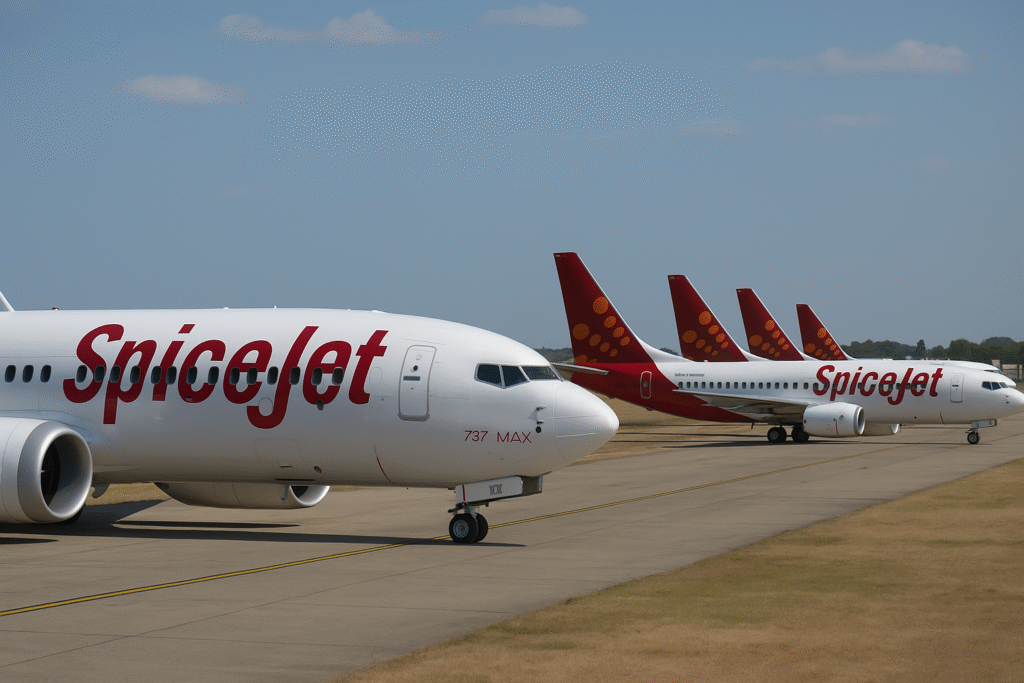
India’s low-cost carrier SpiceJet is rolling out a major fleet enhancement ahead of the Winter 2025-26 travel season. The airline has secured lease agreements for 18 additional narrow-body aircraft and is also pursuing wide-body capacity. These moves aim to dramatically increase both domestic and international connectivity for travellers during the busy winter months.
Why the Timing Matters
Winter is a key travel period in India, driven by holiday tourism, pilgrimage visits and international demand. By stepping up available aircraft ahead of this peak, SpiceJet positions itself to capture rising passenger numbers and strengthen its presence. The airline is adopting leasing routes to accelerate capacity without waiting for new manufacture.
What the Expansion Includes
- The airline has finalised agreements to add eight new Boeing 737 aircraft, raising planned inductions to 18 for the winter schedule.
- An earlier agreement for five more Boeing 737s adds to the total.
- Discussions are underway to introduce wide-body jets to support international and long-haul routes.
- The aircraft are expected to start joining the fleet from October 2025 and will serve into early summer 2026.
Impact on Domestic Connectivity
With a stronger fleet, SpiceJet will increase flight frequency on high-demand domestic corridors such as metro-city hubs, pilgrimage centres and popular holiday spots. This means more choice and flexibility for travellers, especially during winter. The enhanced capacity will also help the airline deploy aircraft on tier-II and tier-III city routes that historically lacked frequency.
International Reach Gets a Push
The bigger fleet isn’t just about local journeys. The carrier aims to launch or bolster services to international destinations and regional hubs. Wider aircraft access allows it to tap into the outbound leisure travel market and strengthen linkages with inbound tourists exploring India’s cultural and natural diversity.
Operational Efficiency & Sustainability Gains
By leasing modern aircraft and reactivating grounded ones, SpiceJet aims to improve on-time performance, reduce maintenance overheads and cut fuel consumption. Modern models help the airline align with sustainability goals while offering smoother service for passengers.
Financial & Strategic Context
Despite fleet ambitions, SpiceJet has faced financial headwinds. Earlier quarters showed losses amid weak demand and operational constraints. The current expansion forms part of a revival strategy: boosting capacity, restoring grounded planes and ramping up connectivity. The investments signal long-term commitment to growth and market relevance.
Expectations for the Passenger
Travellers can look forward to:
- Greater flight availability on key domestic routes during winter 2025-26
- New or enhanced international options via strengthened aircraft deployment
- Improved service reliability and modern fleet experience
- Better access to less-served cities and holiday destinations
Looking Ahead
SpiceJet’s fleet strategy lays the foundation for future expansion. With 18 aircraft planned and additional wide-body jets under discussion, the airline is positioning for deeper growth in the coming seasons. As air travel demand rises, the enhanced capacity could prove decisive in reshaping connectivity across India.
This fleet expansion marks a major move by SpiceJet to refresh its operations, expand travel options, and respond effectively to rising demand during the winter peak period. Passengers stand to benefit from more flights, better service and wider access — just in time for the 2025-26 season.
For more travel news like this, keep reading Global Travel Wire