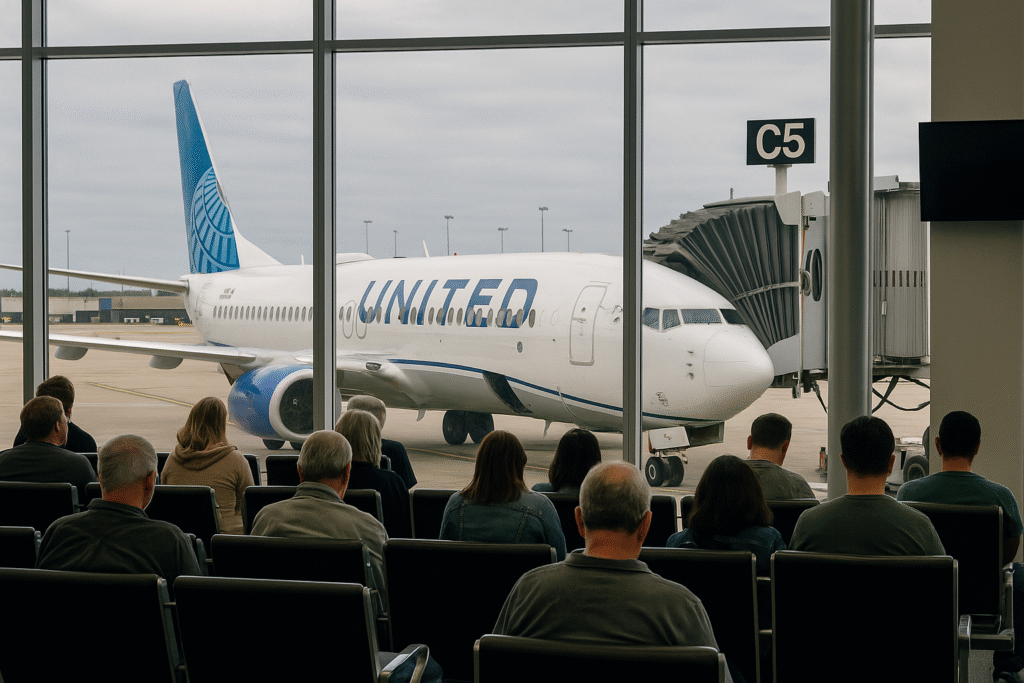
A domestic flight from Des Moines to Chicago operated by United Airlines was delayed by four hours following a crew dispute. Though it was a short-haul route, the incident exposed how fragile air-travel reliability remains. Passengers were de-planed and later re-boarded after a replacement team arrived. While safety was never compromised, the disruption offers an important lesson: reliable flights are essential for the health of tourism.
Why Punctual Flights Matter for Tourism
Air travel sits at the frontline of a visitor’s journey. When flights depart on time and connections work smoothly, first impressions are positive and the entire travel ecosystem benefits. But when delays hit, even domestic ones, they ripple outwards—interrupting connections, reducing time at destination and undermining confidence in the system. For the tourism industry in the United States, that confidence is not optional.
Economic Stakes of the Tourism Sector
The U.S. travel and tourism industry is a major economic driver. In 2022 the sector added roughly $2.3 trillion to the national economy and supported nearly 9.5 million jobs. A smooth travel network underpins that value. When flights don’t meet expectations, destinations lose revenue — hotels, restaurants, attractions all feel the impact.
A Short Delay, Big Implications
Though this flight only covered a short route, the consequences for passengers were real: missed connections, added stress, altered schedules. For the industry, these moments can erode long-term trust among international and domestic travellers alike. A single airport mishap may seem isolated, but visitors often view it as a sign of the broader level of service and reliability in a destination country.
Airlines, Airports and the Tourism Chain
Agencies say that air-travel infrastructure, scheduling, staffing and communication all tie directly into tourism performance. When airlines manage those well, the destination wins. When things go wrong, the destination gets judged. U.S. federal and state tourism bodies are aware of this — and are increasingly investing in better passenger flow systems, digital services, and clearer communication protocols to protect visitor experience.
The Bigger Picture: Tourism Beyond Boarding Passes
A visitor’s impression begins long before they step into a landmark or hotel room. It starts at check-in, at the gate, on the tarmac, in the airport lounge. When the journey is smooth, their arrival feels reassuring and welcoming. When it is not, even brief delays can colour a travel experience and affect how that visitor perceives the host country’s hospitality, efficiency and value.
Building Resilience in the Travel Network
While some disruptions are unavoidable—weather, technical faults, staffing issues—how airlines respond matters just as much. Transparent communication, rapid fixes, supportive ground staff and fair handling of passengers make a difference. Many tourism experts say that when an airline handles a delay with empathy and clarity, the passenger is more likely to return or recommend the destination.
Why U.S. Tourism Can’t Afford Complacency
With millions of jobs and billions of dollars at stake, the U.S. tourism sector cannot rely purely on attractions to draw visitors. The travel path must be dependable. According to recent data, reliable connectivity is a key competitive advantage. When flights run late or connections break down, destinations risk losing repeat visitors, international travellers and valuable spending.
Turning Travel Reliability into Visitor Confidence
For destinations and the travel system as a whole, achieving high reliability is a form of quality branding. When airports, airlines and ground services deliver on schedule and service, they reinforce trust. That trust becomes part of the reason visitors choose one country over another. The U.S. tourism industry increasingly views reliability itself as a form of sustainability—less wasted time, fewer missed plans, better outcomes for everyone.
The Take-Away from a Crew-Dispute Delay
The recent four-hour delay may appear minor, but it carries a message. Every passenger waiting on the tarmac represents more than just a ticket: they represent confidence, expectation and a moment of arrival. When the system delivers, it supports that dream. When it falters, it risks turning anticipation into frustration. For the U.S. tourism industry, consistent, visible reliability is not just good service—it’s the foundation of growth.
In summary, the Des Moines-to-Chicago delay is a useful case study. It reveals how seemingly small disruptions in air travel can ripple through the tourism ecosystem. Destinations depend as much on the journey as the arrival. In the competitive global market, the United States must guard not only its attractions, but the experience of getting to them.
For more travel news like this, keep reading Global Travel Wire