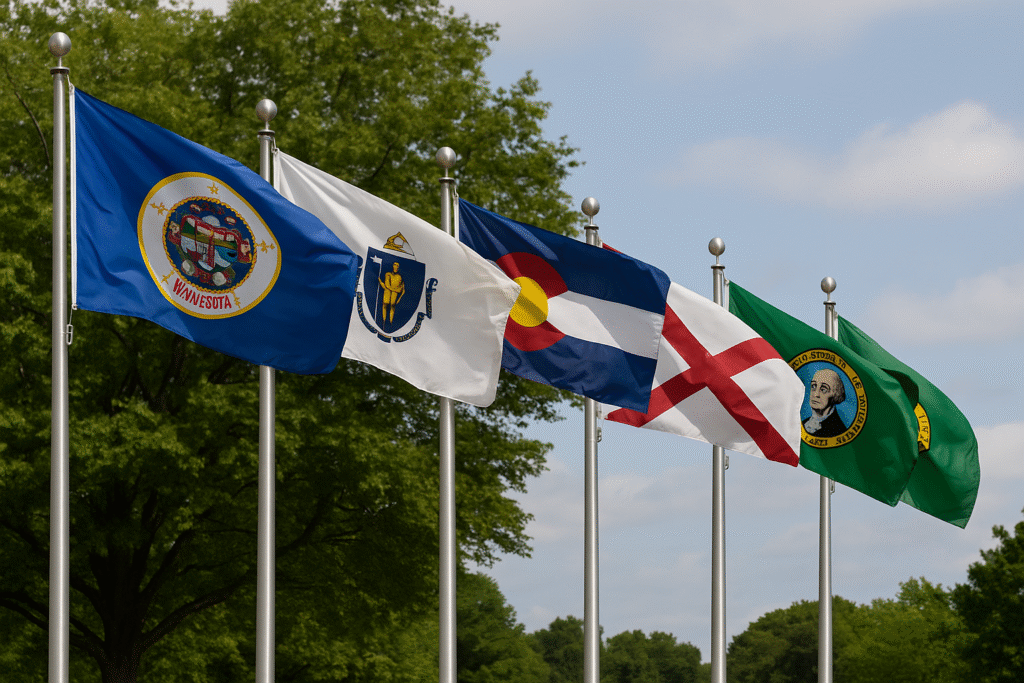
As travel rebounds and destination competition heats up, six U.S. states are stepping up in 2025 with new and expanded tourism grant programmes designed to strengthen infrastructure, support local communities and elevate visitor experiences. Minnesota, Massachusetts, Illinois, Alabama, Colorado and Washington have all committed to targeted funding initiatives that extend beyond marketing, touching on cultural heritage, outdoor recreation, indigenous tourism, tech enhancements and rural-community revitalisation.
Minnesota Leads with Tribal Nations Tourism Grant
Of note, Minnesota is charting a distinctive path with its Tribal Nations Tourism Grant programme run by Explore Minnesota. This initiative is explicitly tailored to support federally recognised tribal nations within the state, helping them develop heritage-site projects, outdoor recreation assets and agritourism experiences. This focused investment recognises both the cultural significance and economic potential of indigenous-led tourism. By encouraging eco-conscious development, the state is signalling its commitment to sustainable travel and authentic cultural encounters for visitors. For travellers, this means that Minnesota is becoming an increasingly compelling destination for meaningful experiences grounded in local heritage.
Massachusetts’ Destination Development Capital Grants
In Massachusetts, the Fiscal Year 2025 Destination Development Capital (DDC) Grant programme is aimed at rejuvenating tourism assets across the state. From historic sites to attractions ripe for modernisation, the grant supports restoration, renovation and new construction. Such capital investment enhances the physical visitor infrastructure, ensuring that Massachusetts remains competitive in the evolving tourism landscape. For travellers planning a visit, the impact will be tangible in the form of improved attractions, revitalised cultural landmarks and better-equipped sites.
Illinois Boosts Local Attractions and Marketing
Illinois has introduced both the Tourism Attraction Grant Program and the Marketing Partnership Program under its Department of Commerce and Economic Opportunity. These programmes provide funds to develop and promote both new and existing tourism products. Smaller towns and lesser-known destinations stand to benefit significantly, with financial support available to showcase unique natural trails, specialised cultural events or hidden-gem museums. The dual focus on infrastructure and promotion ensures that Illinois isn’t just building attractions—it’s also making sure travellers know about them.
Alabama Injects Millions into Local Tourism Economies
Alabama has embraced tourism development by allocating approximately-$2.7 million in grants for 2025. This funding is directed at boosting tourism across the state, especially in areas that historically have seen lower visitor volumes. Projects may include marketing campaigns, new attractions, renovation of existing offerings and support for regional tourism economies. This strategy broadens Alabama’s tourism footprint, making more communities part of its visitor ecosystem and creating more opportunity for employment and business growth in local areas.
Colorado’s Tourism Management Grant Enhances Outdoor Experiences
Colorado’s 2025 Tourism Management Grant focuses on advancing and upgrading visitor experiences, especially in the state’s abundant natural and outdoor-recreation settings. With its mountain destinations, national parks and active-travel culture, Colorado is using this grant to improve signage, trails, accessibility, interpretive infrastructure and sustainable destination management. The goal is to maintain world-class outdoor offerings while protecting the environment—so travellers can continue to enjoy high-quality nature-based tourism while local ecosystems are preserved.
Washington State Offers a Diverse Suite of Tourism Grants
Washington has adopted perhaps the broadest tourism-grant strategy of the six states, with multiple funding streams including Indigenous Tourism Marketing & Production, Tourism Regeneration, Technology Assistance, and Rural Tourism Support. These grants reflect a comprehensive approach: improving indigenous tourism opportunities, refreshing established attractions, supporting tech upgrades for visitor engagement and enabling rural communities to enter the tourism market. For visitors, that means a richer, more diverse set of destinations and experiences across the state—from high-tech urban centres to remote rural get-aways.
Why These Grants Matter Now
These state-level tourism grants come at a pivotal moment. The travel industry is recovering rapidly, traveller expectations are evolving and destinations must offer differentiated experiences to stand out. Funding programmes that improve infrastructure, support local businesses and deliver authentic cultural or nature-based experiences are becoming essential. Historically, federal-level support through programmes such as the U.S. Economic Development Administration’s Travel, Tourism and Outdoor Recreation grants has contributed hundreds of millions of dollars to state and local tourism recovery efforts. These new state grants build on that foundation by directing resources to region-specific priorities, ensuring local communities, indigenous groups and rural destinations are included in the rebound.
Impacts on Communities and Visitors
For local economies, the ripple effects are significant. Ramping up tourism infrastructure creates jobs, increases visitor spend, stimulates local hospitality supply-chains and fosters community revitalisation. For smaller towns, obtaining a grant means the opportunity to enter the tourism market, develop an attraction and attract overnight stays. For travellers, these investments translate into better facilities, richer experiences, stronger destination storytelling and more choice.
Moreover, the integration of sustainability, indigenous tourism and technology into funding priorities means the next generation of tourism is already being shaped. Travellers are increasingly drawn to destinations that value authenticity, community benefit and environmental responsibility. These states are aligning to those trends and equipping themselves to meet traveller expectations.
Looking Ahead: Opportunities and Challenges
While the momentum is strong, success will depend on execution. Projects must deliver measurable visitor impact, long-term maintenance and inclusive benefit. Grant applicants will need robust planning, measurable outcomes and aligned strategies. For travellers and industry watchers alike, the next few years will reveal which states turn funding into visible tourism enhancement. States that can link infrastructure improvements, marketing visibility and visitor experience upgrades will gain an edge.
There is also increased focus on connectivity—transport, digital booking systems and cross-region travel networks. States with stronger airport access, inter-state links and travel promotion stand to benefit most.
Final Word
In 2025, the tourism agenda in the United States is taking a proactive turn, with Minnesota, Massachusetts, Illinois, Alabama, Colorado and Washington leading the charge. Their grant programmes reflect a new tourism paradigm: one that values local culture, outdoor authenticity, sustainability and inclusion. For travellers, these developments mean more diverse, improved experiences. For communities and destinations, it means real investment into the future. As the tourism industry continues its rebound, these states are laying the groundwork for long-term growth.
For more travel news like this, keep reading Global Travel Wire