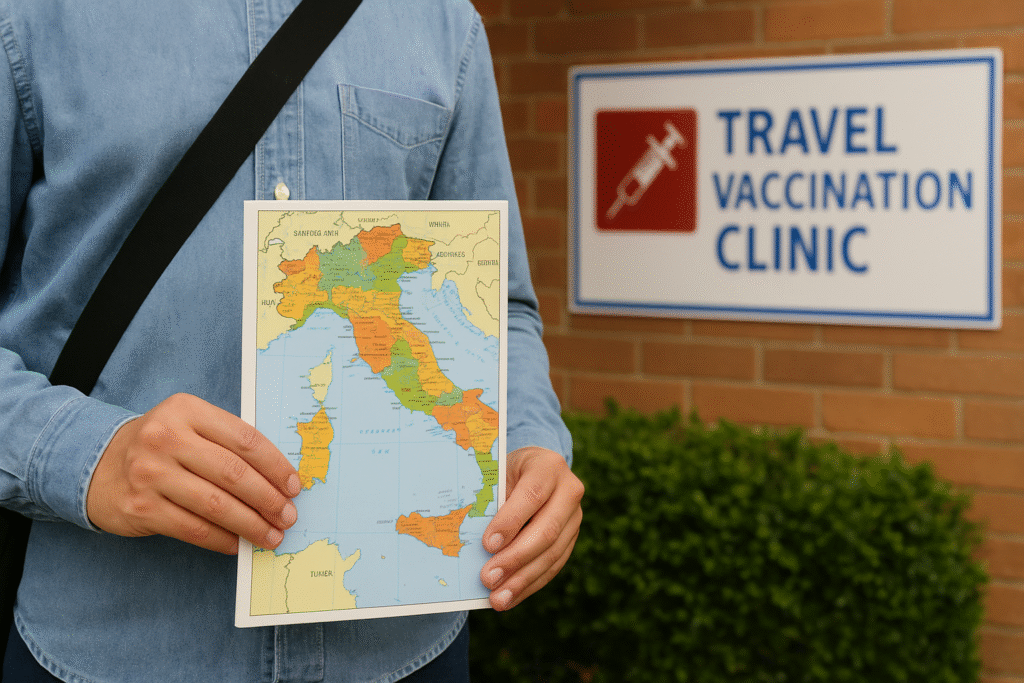
A global surge in Chikungunya virus cases has triggered fresh health alerts for travellers in 2025. With outbreaks in parts of Europe—especially Italy—and the Americas, individuals planning trips to affected destinations face increased infection risk.
Italy’s Local Transmission on the Rise
Northern Italy is grappling with local transmission in regions like Emilia-Romagna and Veneto. Novel mutations of the virus, adapted to day-biting mosquitoes, have been identified there. Meanwhile, travel-linked cases continue to pose risk of introducing the disease into new zones.
Public health experts warn that while the virus is still relatively rare in Europe, its presence in regions with established mosquito populations means that tourists can no longer consider it a distant tropical threat.
Americas and Global Hotspots
In the Americas, more than 200 000 suspected chikungunya cases have been recorded in 14 countries in the past months, with South America bearing over 97 % of those figures. The Pan American Health Organization stressed that although the overall number is below 2024, localized outbreaks remain active and intense.
Countries in Africa and Asia likewise report large clusters, reinforcing the worldwide nature of the risk for international travellers.
Vaccine Options and Who Should Get Them
For the first time, vaccines against chikungunya are becoming available to travellers. Two brands have gained approval in some regions, offering preventive protection.
However, authorities emphasise caution: for example, certain vaccines are not recommended for people aged 60 and above due to safety concerns in that demographic.
Travellers to outbreak areas should consult a travel-health clinic well ahead of departure to determine if the vaccine is suitable for them.
Essential Travel Precautions
Even with vaccination, travellers must adopt key preventive measures:
- Use insect repellent (DEET-based preferred) and apply it to exposed skin.
- Wear long sleeves and long pants, especially during dawn and dusk when mosquitoes can be active.
- Stay in accommodations with secure screens or air conditioning to reduce mosquito entry.
- Eliminate standing water around lodging and avoid outdoor activities in mosquito-dense environments.
What Travellers Should Know Before Departure
- Check if your destination has reported chikungunya transmission or travel-associated cases.
- Schedule a consultation with a healthcare provider at least four to six weeks before travel to discuss the vaccine and mosquito protection strategy.
- Pack travel-health supplies including repellent, protective clothing and mosquito nets if needed.
- Monitor symptoms during and after travel — high fever, joint pain, rash and muscle aches can signal infection. Early medical attention helps manage complications.
Impact on Tourism and Travel Plans
The spread of chikungunya into popular tourist regions has raised concerns across the travel industry. Some tourists are reconsidering or postponing trips, especially to areas with known outbreaks or emerging local transmission.
Tourism boards in affected destinations are now emphasising flexible booking policies, supporting outdoor mosquito-control efforts and promoting lesser-visited locations with lower vector risk.
The Outlook: Vigilance Remains Key
Chikungunya remains a formidable public-health threat. With the competent mosquito vector present in parts of Europe and a global mobility of people, its spread into previously unaffected zones is a real possibility.
For travelers in 2025 and beyond, staying informed, getting vaccinated when appropriate and practicing proven mosquito-avoidance steps will make the difference between a smooth journey and unexpected health setbacks.
By taking proactive steps—vaccination when eligible, strong mosquito protection habits and careful destination evaluation—travelers can still plan rewarding trips without undue risk. Safety in travel no longer stops at airport security; it begins with protecting your health.
For more travel news like this, keep reading Global Travel Wire