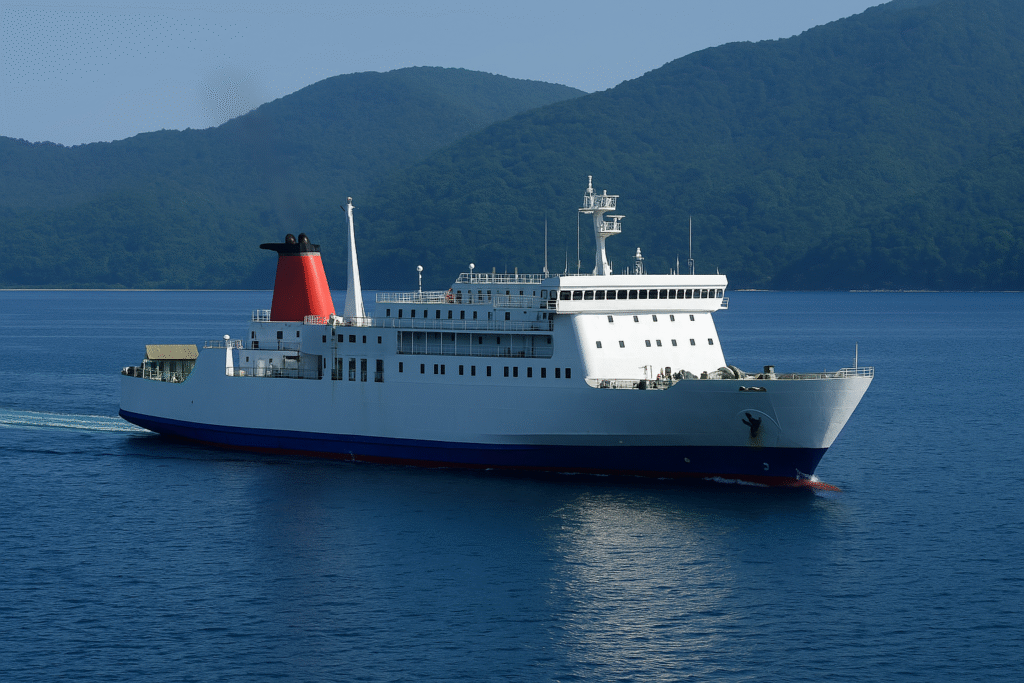
A long-anticipated sea link between Turkey and Russia is now operational, offering travellers a fresh, scenic alternative: the newly launched ferry service between the Turkish Black Sea port city of Trabzon and the Russian resort town of Sochi. The route, which resumes after a 14-year hiatus, promises to expand tourism flows, deepen regional connectivity and open a novel travel experience for leisure-seekers.
A maritime link revived
On November 3, 2025, the passenger ferry arrived at Trabzon Port in Turkey to prepare for its official departure on November 5, bound for Sochi, with an expected arrival on November 6. This marks the official revival of a direct maritime route between the two cities, offering a voyage across the Black Sea that blends ease of transport with the allure of a sea journey. Reports indicate that ferries will operate multiple times per week, significantly improving accessibility between the two destinations.
Why this matters for tourism
For travellers, the emergence of the Trabzon-Sochi ferry route adds a compelling dimension: instead of relying solely on air travel, visitors can now embark on a sea voyage offering panoramic views of the Black Sea and arrival in two culturally rich destinations. Trabzon, situated on Turkey’s northeastern coast, boasts historical sites, lush mountains and a less-explored charm. Sochi, long known as a major Russian resort city and host of the 2014 Winter Olympics, is itself a tourism magnet. The new sea link effectively bridges the two – permitting travellers to combine the distinct experiences of both in a single journey.
This connection also supports off-season travel. Because ferry services are less tied to seasonal flight scheduling, the route has the potential to help smooth visitor flows year-round rather than concentrating only in peak summer months. For destinations aiming to diversify their markets and periods of visitation, this is a positive development.
Practicalities and travel experience
The ferry launched with passenger service only, vehicles being subject to later inspection-approval phases. The vessel in question has a capacity for up to 450 passengers and, once fully operational, is planned to handle dozens of vehicles as well. With an approximate 12-hour journey time from evening departure to next-morning arrival, it offers an overnight sea voyage that both saves daytime travel and offers a relaxed pace. Scheduled days of departure indicate consistent weekly operations in both directions from the ports.
Travellers boarding in Trabzon will depart in the evening and arrive in Sochi the next morning—creating not just a means of transport but an experience in itself. Onboard facilities include cabins, seating areas and amenities designed for comfort, signalling that the service is positioned as more than economy transport—it is part of the journey.
Economic ripple-effects and local benefit
Beyond the user-experience, the route holds economic promise for both regions. As more visitors embark on the sea link, local businesses—hotels, restaurants, tours and transit services—stand to gain. For Trabzon, the increased arrival of Russian visitors via Sochi (and reciprocal flows from Turkey to Russia) can create new demand and reinforce the city’s tourism sector. For Sochi, the added route enhances its connectivity and offers visitors a novel arrival platform.
Further, by providing a more affordable and scenic route, the ferry may attract travellers drawn to alternative travel modes—road trippers, sea-voyage enthusiasts and those interested in slower, more immersive journeys. This can diversify the visitor profile and spread economic benefit across more tourism segments.
Strategic implications for regional travel
The resumption and modernisation of the ferry service reflect broader themes in Black Sea region tourism: connectivity, accessibility and the blending of travel modes. In a world where flight-only travel dominates, a maritime link offers differentiation—and potentially lower-cost entry to new destination combinations. The Turkey-Russia tourism corridor gains an additional dimension: sea access.
It also enhances sustainable tourism opportunities. Longer-haul flights may discourage some travellers; a sea route adds a lower-carbon, slower-travel option appealing to those looking to combine destination and journey. For destinations emphasising nature, heritage and authentic experience, this can be a strategic advantage.
Traveler considerations
Prospective travellers should note a few key points: tickets should be booked in advance given limited capacity, schedules may vary with sea and weather conditions, and vehicle transport may still be undergoing regulatory approval. Cabin or seat selection, itinerary linking in each port city and visa or entry-regulation details (especially for cross-border travel between Turkey and Russia) all warrant planning consideration. Making transit connections, selecting pre- or post-city stays and understanding arrival-duty procedures will support a smoother journey.
Future growth potential
While the ferry service is currently operating for passengers, vehicle carriage is expected to be added once inspections and regulatory processes are completed. This opens opportunity for travellers undertaking road-oriented trips: for example, driving in Turkey and continuing via ferry into Russia or vice versa. As the service matures, there is potential for expanded frequency, improved amenities, seasonal variation and even new routes linking other Black Sea cities.
Moreover, as travellers become aware of this maritime option, the route may establish itself as the iconic Black Sea voyage connecting two distinct cultural and geographic zones. Tourism marketing efforts in both Turkey and Russia are likely to integrate the ferry in destination promotion, positioning it as a scenic and memorable way of arrival.
Conclusion
The revival of the Trabzon-Sochi ferry marks a significant advance for tourism and connectivity in the Black Sea region. By offering travellers a practical, scenic and affordable sea journey between Turkey and Russia, it adds choice, enriches experience and supports diversification of tourism flows. For travellers seeking something beyond conventional flights—an overnight sail, a route less travelled, a layered travel narrative—this ferry service offers a gateway to discovery.
For tourism stakeholders in both countries, the route represents an opportunity to build deeper visitor engagement, broaden market appeal and extend the travel season. As the service becomes established and grows in frequency and scope, it may well become a key travel link—and a distinctive highlight of Black Sea-region tourism.
For more travel news like this, keep reading Global Travel Wire