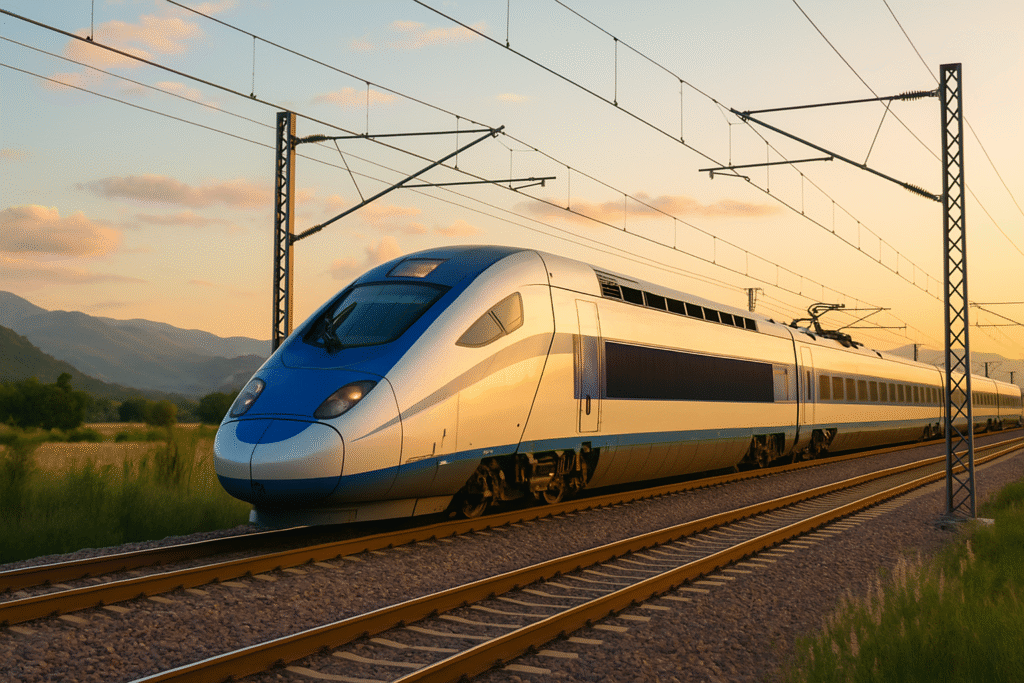
The European Union’s new high-speed rail plan marks the beginning of a new travel era for Southern Europe. Greece, Turkey, Italy, and Bulgaria stand at the forefront of this transformation. The project aims to expand and connect Europe’s high-speed network by over 12,000 kilometers, creating faster, greener, and more efficient travel corridors across borders.
This ambitious initiative promises to strengthen trade, tourism, and regional cooperation. It also seeks to make transport more sustainable and reduce carbon emissions across the continent.
Greece Leads the Way in Modernization
Greece will gain the most from this bold investment plan. The country’s rail system, long in need of modernization, will receive upgrades that improve safety, efficiency, and connectivity. New tracks, better signaling systems, and faster trains will transform the nation’s outdated infrastructure into a modern transport network.
Upgraded routes will connect Athens with key cities and international destinations. Travel times will fall sharply. For example, the Athens–Sofia route will shrink from 14 hours to just six by 2035. This improvement will encourage tourism, business, and trade between Greece and its neighbors.
Boosting Tourism and Economic Growth
Tourism will flourish as travel becomes faster and more comfortable. High-speed trains will attract more visitors who want to explore Europe by rail. The easy access between Greece, Turkey, Italy, and Bulgaria will open new routes for cultural and leisure travel.
Travelers will be able to visit Athens, Istanbul, Rome, and Sofia within days, without long flights or delays. This seamless movement will spark new tourism industries, promote local economies, and create thousands of jobs.
Improved transport will also attract business investments. Companies will find it easier to trade goods, move workers, and expand across borders. The result will be stronger economic ties and faster regional growth.
Cleaner, Smarter, and Sustainable Transport
The EU plan is not only about speed; it focuses on sustainability. By investing in high-speed rail, the EU encourages people to shift away from road and air travel. Trains emit far less carbon than airplanes or cars, helping Europe meet its climate goals.
The new network will also use advanced energy-efficient systems and electric trains. Greece, with its growing renewable energy capacity, will play a key role in this sustainable transition. The project aligns perfectly with the EU’s long-term vision of carbon-neutral transport.
Strengthening Cross-Border Connections
Better rail links between Greece, Turkey, Italy, and Bulgaria will make cross-border travel faster and smoother. Upgraded stations, unified ticketing systems, and synchronized timetables will make it easier for travelers to plan and book trips across countries.
These connections will also boost regional trade. Freight trains will move goods faster and cheaper, supporting exports and strengthening supply chains. Improved logistics will reduce transport costs and create a more competitive market for European industries.
Technology at the Core of Progress
The high-speed rail plan includes strong investments in digital technology. Automated signaling, real-time tracking, and smart coordination systems will make rail travel safer and more reliable. Travelers will benefit from better scheduling, fewer delays, and improved comfort.
Digital upgrades will also support innovation in ticketing, maintenance, and passenger services. With digitalization, operators can manage routes efficiently while travelers enjoy a seamless experience from booking to arrival.
Italy and Turkey: Expanding Their Reach
Italy already has a strong high-speed network, but the EU plan will connect it more deeply with Eastern Europe. New routes will make it easier for travelers to move between Italy and Greece or Bulgaria without long transfers.
Turkey’s involvement will strengthen its ties with the EU. Faster rail access to Bulgaria and Greece will improve trade and tourism between Turkey and Europe. This inclusion also enhances Turkey’s position as a transport hub between Europe and Asia.
Greece’s Role in Europe’s Sustainable Future
For Greece, this initiative represents a once-in-a-generation opportunity. It is not only about railways; it is about national progress. Modern infrastructure will improve mobility, create jobs, and strengthen economic resilience.
Upgrading the North–South corridor will make Greek transport safer and more reliable. The project will also repair areas affected by natural disasters, ensuring the system’s long-term durability.
Greece’s tourism industry will gain a major boost. Eco-friendly travel options will appeal to global visitors who seek sustainable experiences. With better connections and modern technology, Greece will attract more tourists year-round.
A Vision for 2040
By 2040, high-speed trains will link the Mediterranean with Central and Eastern Europe. Greece, Turkey, Italy, and Bulgaria will stand as pillars of this new network. The EU’s goal is to make rail the preferred mode of travel—fast, clean, and convenient.
This plan is more than an infrastructure project. It is a commitment to a connected, sustainable, and prosperous Europe. With cooperation and investment, the dream of traveling from Athens to Rome in hours rather than days will soon become reality.
Final Outlook
The EU’s high-speed rail plan is a milestone for Europe’s transport future. Greece, Turkey, Italy, and Bulgaria will witness faster travel, stronger economies, and a greener future. The transformation will unite cultures, energize tourism, and create lasting opportunities for generations to come.
For more travel news like this, keep reading Global Travel Wire