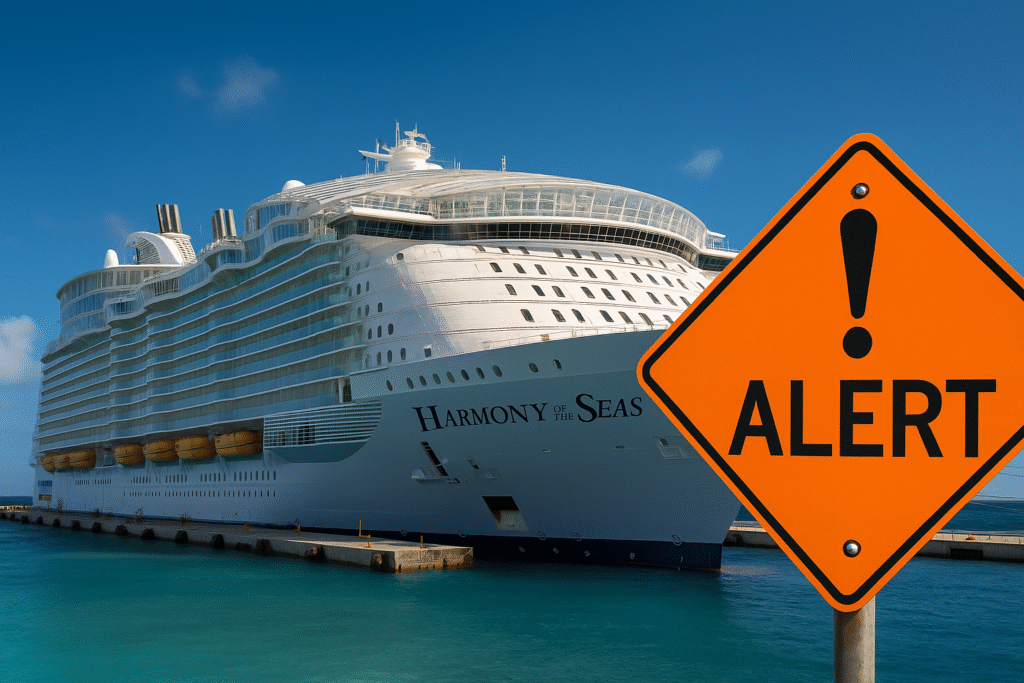
Royal Caribbean passengers planning to embark on the Harmony of the Seas may face travel disruptions due to significant flight reductions by major U.S. airlines. The Federal Aviation Administration (FAA) has ordered a 10% air traffic reduction across 40 of the nation’s busiest airports, a move affecting major travel hubs used by cruise passengers.
American Airlines, Delta Air Lines, and United Airlines have already started scaling back flights, particularly those connecting to Florida ports such as Miami (MIA), Orlando (MCO), and Tampa (TPA). These airports are vital gateways for travelers boarding Royal Caribbean’s flagship cruises. The reduction, prompted by ongoing air traffic controller shortages and partial government shutdown issues, has created ripple effects across the travel and tourism sector.
For passengers flying into these cities to join their cruises, the upcoming weeks may bring delays, cancellations, and limited flight availability, impacting their ability to reach the ship before departure.
Why Airlines Are Reducing Flights
The FAA’s decision to cut flight volumes stems from persistent staffing challenges. With fewer air traffic controllers available, maintaining normal operations at busy airports has become unsafe. To preserve efficiency, the FAA mandated airlines to reduce their flight schedules.
In response, American Airlines and Delta Air Lines announced adjustments to their operations, focusing reductions on high-demand regions like Florida. This decision affects both domestic and international travelers flying into key embarkation points for cruise lines.
For cruise passengers, fewer flights mean tighter schedules, longer layovers, and increased costs. With limited availability, travelers may find that convenient flight options to Miami or Orlando are sold out faster than usual.
Impact on Harmony of the Seas Departures
The Harmony of the Seas, one of Royal Caribbean’s largest and most popular ships, sails from Port Everglades and PortMiami. Its weekly itineraries attract thousands of passengers from around the world, many of whom rely on air travel to reach the ports.
With reduced flights, passengers risk missing embarkation times due to delayed or canceled connections. Royal Caribbean has advised travelers to arrive at least 24 hours before departure to reduce the risk of missing their cruise.
This precaution allows travelers enough time to handle any unexpected disruptions. Many passengers have already begun adjusting their plans by flying in a day earlier or choosing alternative airports, such as Fort Lauderdale (FLL) or West Palm Beach (PBI).
Airlines’ Efforts to Manage the Situation
Despite the reductions, major airlines are working to minimize traveler inconvenience. Delta and American have introduced real-time flight updates and encouraged passengers to check flight statuses 24 to 48 hours before departure.
However, the airlines acknowledge that some regional and connecting routes will continue to face strain. Routes serving cruise-heavy destinations like Florida are especially vulnerable because of high seasonal demand.
Passengers flying internationally—especially from London, Frankfurt, or Toronto—should expect tighter connections and longer security queues. Booking morning flights remains the best strategy, as afternoon and evening flights tend to suffer more delays due to increased congestion.
Royal Caribbean’s Response and Passenger Support
Royal Caribbean has implemented a set of travel advisories to help guests prepare for the changes. The company’s guest relations team remains in contact with affected passengers and offers assistance with rebooking flights or rescheduling embarkations when possible.
For passengers delayed by airline issues, Royal Caribbean’s support network coordinates with airport authorities to ensure faster boarding once they reach the port. The cruise line’s goal is to minimize stress and ensure passengers begin their voyage on a positive note.
Royal Caribbean has also reinforced the importance of travel insurance that covers flight delays, cancellations, and missed connections. Policies offering “trip interruption” coverage can help travelers recover unexpected expenses like overnight hotel stays or rebooked flights.
Hotels and the Wider Tourism Industry Respond
The impact of reduced airline operations extends beyond airports and cruise lines. The hospitality sector in Florida has begun preparing for a surge in last-minute hotel bookings from stranded or delayed travelers.
Hotels near Miami, Fort Lauderdale, and Orlando report growing demand for overnight stays before cruise departures. Many properties now offer flexible cancellation policies or cruise-friendly packages that cater to travelers facing sudden flight changes.
Some resorts are even offering discounted rates for guests rebooking due to cancellations, helping ease the financial burden on affected passengers.
Tourism boards across Florida are working to maintain traveler confidence by providing up-to-date information on transportation alternatives and local accommodations.
Travel Tips to Avoid Cruise Delays
Passengers preparing for a cruise during this volatile period should take proactive steps to secure a smooth journey:
- Arrive Early: Plan to arrive in the port city at least 24 hours before your cruise departs.
- Monitor Flight Status: Stay updated with airline notifications for real-time changes.
- Purchase Travel Insurance: Ensure your coverage includes cancellations and missed connections.
- Book Morning Flights: Early flights are less prone to cascading delays.
- Stay Flexible: Choose hotels with free cancellation and keep alternative airport options in mind.
If your flight to Miami or Orlando gets canceled, consider alternate arrival points such as Fort Lauderdale, West Palm Beach, or Tampa, then use ground transportation or local flights to reach your port.
A Broader Challenge for Global Travel
While this situation heavily affects U.S. travelers, international tourism is also feeling the impact. Foreign passengers heading to U.S. cruise ports are struggling to find connecting flights due to the ripple effects of the FAA’s directive.
This disruption could temporarily slow global tourism recovery, especially in cruise markets that depend on smooth air-sea connections. Travel agencies and cruise operators are now reviewing contingency plans to adapt to future disruptions caused by operational or staffing shortages.
Looking Ahead: Staying Prepared
Despite the challenges, Royal Caribbean and major airlines are working closely to mitigate passenger stress. The cruise line remains confident that most passengers will still reach their voyages with careful planning and flexibility.
For travelers, preparation is key. Tracking airline updates, staying flexible with travel plans, and securing strong insurance coverage can make the difference between a smooth trip and a missed cruise.
As travel networks adapt to these temporary reductions, the experience aboard the Harmony of the Seas remains worth the effort — offering world-class amenities, ocean views, and unforgettable destinations for those who make it on board.
Even amid uncertainty, the journey can still begin — it just requires a little extra planning and patience.
For more travel news like this, keep reading Global Travel Wire