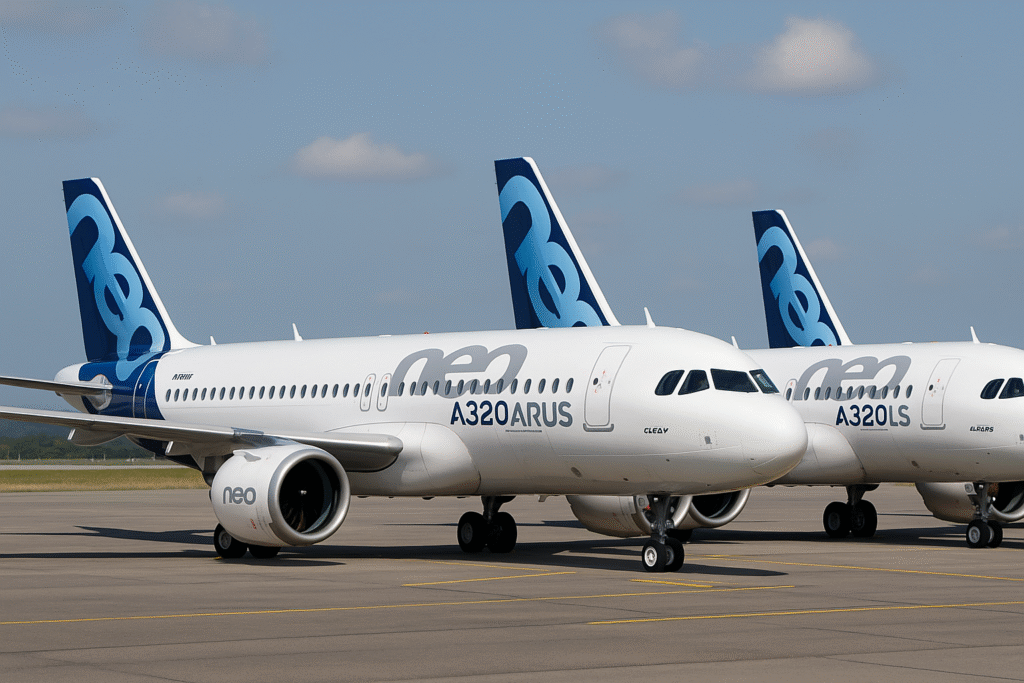
Investment firm Turning Rock Partners has joined forces with aircraft parts specialist AerFin Limited to finalise an asset-backed financing deal for three Airbus A320neo airframes. The partnership signals a sharp rise in aviation-leasing activity and new support-service structures tailored for the modern air-travel era.
The deal will integrate these advanced aircraft within a revenue-pooling framework. AerFin will handle teardown, maintenance and parts distribution operations — enabling fleet optimisation, cost reduction and operational flexibility.
Boosting Fleet Efficiency and Route Expansion
The A320neo is widely recognised for its enhanced fuel efficiency, reduced emissions and quieter operation. Airlines adopting these airframes will benefit from lower fuel burn, simplified maintenance and improved passenger comfort. This translates into better pricing options and greater route flexibility for travellers.
With additional aircraft available through leasing, carriers can expand into underserved markets, adjust capacity quickly and launch more direct services. That means destinations previously hard to reach may soon enjoy more frequent connections.
Tourism & Hospitality Set to Gain
The aviation-leasing surge carries a ripple effect for tourism and hospitality sectors. As airlines increase frequencies and open new routes, destinations will attract higher visitor volumes. Hotels, resorts and local tour operators will feel the uplift from growing tourist traffic.
One region poised to benefit is Penang in Malaysia. With improved accessibility comes stronger demand for lodging, dining and experiences. More affordable and frequent flights into Penang will draw a diverse visitor base — from budget travellers to luxury seekers — and prompt upgrades in infrastructure and services.
How Passengers Benefit
For travellers, the A320neo integration means smoother, quieter flights, lower ticket costs and access to fresh destinations. Fuel- and maintenance-savings realised by airlines can be passed on in part to customers via competitive fares.
More direct flights reduce journey times and eliminate some stop-overs. Eco-minded passengers will welcome the lower carbon footprint of newer aircraft. Overall, the travel experience becomes more comfortable, accessible and sustainable.
Hospitality Sector Response
Tourism demand from increased flights triggers shifts in accommodation and services. In Penang and similar emerging destinations, hotel bookings will rise — prompting expansions and new builds. Boutique hotels and heritage-stay options will thrive alongside larger resorts, catering to varied traveller profiles.
Local businesses in dining, tours and transport also stand to benefit. With more visitors arriving, eateries, heritage tours and experiential activities will see higher uptake. Travel-service providers should plan for scaling up to match the influx.
Readying for the New Travel Wave
Travellers looking to leverage these developments should plan ahead. Booking flights early, especially during off-peak periods, secures better fares. Exploring destinations like Penang now offers value — as airline connectivity improves and hospitality options diversify.
Heritage explorations, street-food tasting and beach breaks are all part of the experience. Alternative lodging such as heritage conversions or boutique resorts deliver unique stays. Ground-transport links such as local buses or ride-share remain practical for cost-conscious visitors.
What’s Ahead: The Big Picture
The alliance between Turning Rock and AerFin to finance three A320neo airframes marks a shift in aviation-asset strategy. It highlights the growing focus on efficient aircraft and adaptive leasing models.
Long term, airline fleets will modernise, travel markets will open further and destinations previously under-served will become accessible. Tourism growth will likely follow — especially in regions ready to scale infrastructure and hospitality supply.
In sum, this deal does more than add aircraft. It lays the groundwork for smarter, greener, more connected air travel — and by extension, it powers stronger tourism and hospitality ecosystems worldwide.
For more travel news like this, keep reading Global Travel Wire