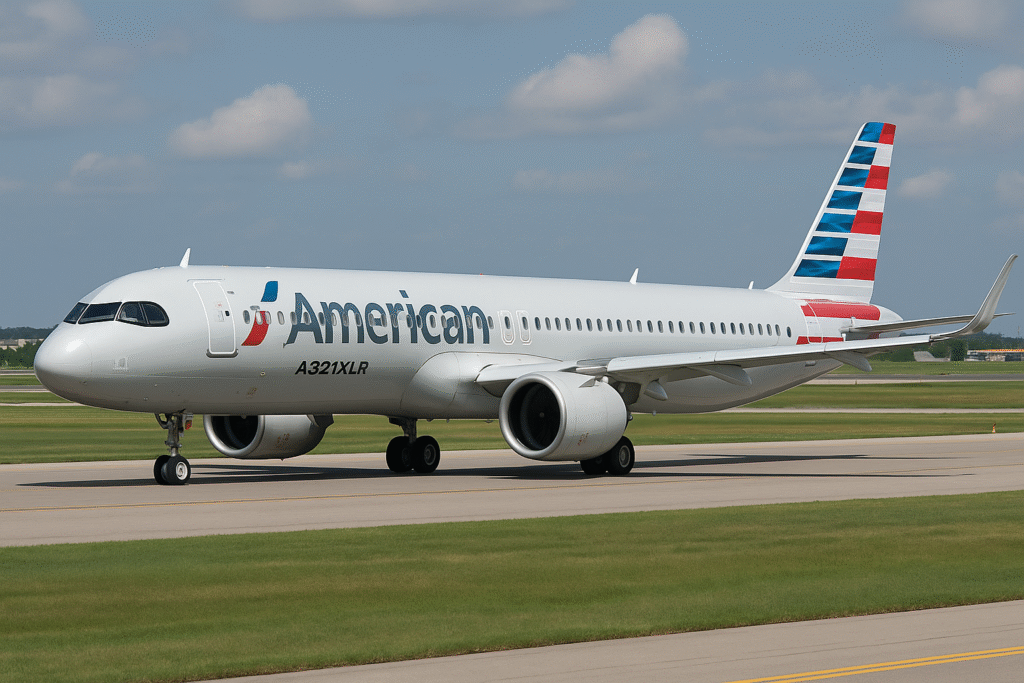
The Airbus A321XLR is transforming air travel. This long-range, single-aisle jet connects cities once reachable only by larger aircraft. For travelers, it means more nonstop routes, shorter travel times, and greater comfort.
Why the A321XLR Matters
Long Range, Big Impact
With a range of about 4,700 nautical miles, the A321XLR bridges continents efficiently. It’s built for thinner routes where wide-body jets aren’t practical.
Fuel Efficiency and Comfort
The jet burns up to 30% less fuel per seat. Inside, passengers enjoy lie-flat seats in business class, modern lighting, and extra cabin space — ideal for long journeys.
Certified for Service
After receiving certification in 2024, the A321XLR began entering airline fleets worldwide, marking a milestone in next-generation aviation.
Airlines Leading the Change
Several airlines have already adopted the A321XLR:
- Iberia launched the first transoceanic route with it in late 2024.
- Aer Lingus began flying new U.S. routes soon after.
- Qantas and Wizz Air plan regional long-haul operations in 2025.
American Airlines is also preparing to deploy the jet across the Atlantic, linking major and secondary cities directly — from New York to Edinburgh, Boston, and Paris.
Boost for Global Tourism
New Direct Routes
Smaller cities now gain direct links to major markets, making tourism more accessible and affordable.
Economic Uplift
More flights mean increased visitor spending, hotel stays, and local business growth.
Sustainable Advantage
Its efficiency helps airlines meet carbon-reduction goals while keeping ticket prices competitive.
What Travelers Can Expect
Passengers can look forward to:
- Fewer connections and shorter flight times.
- Modern cabins with better comfort.
- New destinations previously unreachable without layovers.
For frequent flyers, it’s a blend of convenience and sustainability — premium comfort on routes once served by larger, less efficient planes.
The Future of Connectivity
The A321XLR signals a shift in global tourism. More airlines will open new direct routes, connecting secondary airports and boosting regional economies.
This aircraft represents the future — efficient, comfortable, and ready to bring the world closer together, one nonstop flight at a time.
For more travel news like this, keep reading Global Travel Wire