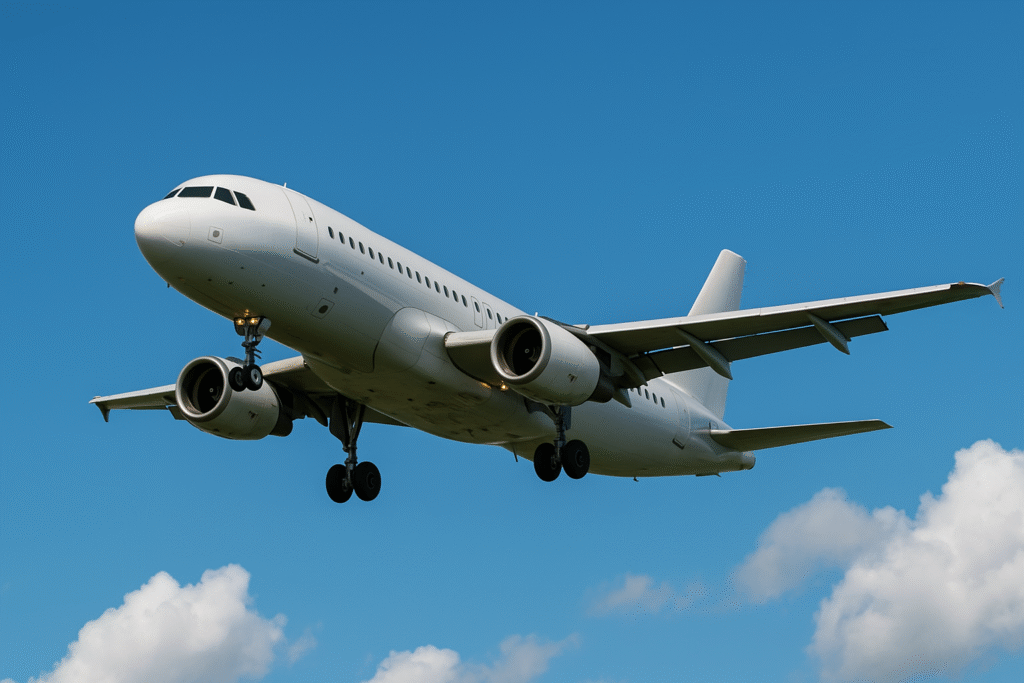
A major step toward a greener future in global aviation is underway as the Arab Air Carriers Organization (AACO) launches a transformative partnership with two leading travel-technology innovators, SITA and Amadeus. This strategic alliance is designed to elevate the standards of sustainability across the aviation industry by offering airlines and travelers transparent, real-time insights into fuel consumption, aircraft performance, and carbon emissions. As worldwide demand for environmentally responsible travel grows, this collaboration arrives at a pivotal moment, promising to change how passengers choose flights and how airlines manage operations.
Empowering Travelers with Real-Time Environmental Insights
At the heart of this partnership lies a commitment to giving travelers clear, reliable environmental information. For years, passengers have expressed a desire to understand the environmental impact of their trips, yet access to transparent emissions data has been limited. By integrating SITA’s advanced aircraft performance analytics with Amadeus’ Travel Impact Suite, passengers will now receive more accurate details about a flight’s estimated carbon footprint even before booking.
This level of transparency allows travelers to make more eco-friendly decisions. Passengers can choose flights with lower emissions, support airlines with strong sustainability practices, or participate in carbon-offset initiatives. As environmental awareness grows, this type of data is becoming a vital factor for millions of travelers who wish to align their travel choices with their values.
Transforming Airline Operations Through Verified Data
For airlines, the benefits of this partnership go far beyond customer engagement. Gaining access to precise, real-time performance and emissions data enables carriers to make better operational decisions. This includes optimizing flight paths, reducing unnecessary fuel burn, planning more efficient aircraft rotations, and identifying areas where sustainability improvements can be made.
With global aviation regulations tightening and countries setting ambitious emissions-reduction goals, airlines face increasing pressure to operate more efficiently. The introduction of verified sustainability data helps airlines proactively comply with these evolving standards while lowering operational costs. In an industry where fuel accounts for one of the largest expenses, even small improvements can produce significant savings.
Moreover, airlines that openly share transparent sustainability metrics can strengthen their brand reputation. As travelers increasingly seek eco-friendly options, airlines demonstrating genuine environmental responsibility can expect higher customer loyalty and a competitive advantage.
Setting New Sustainability Standards Across the Industry
The AACO-SITA-Amadeus collaboration is more than a technological upgrade—it represents a shift in the broader aviation mindset. Traditionally, sustainability reporting in aviation has varied widely, leading to inconsistencies across booking platforms, travel agencies, and corporate travel programs. This partnership addresses that gap by unifying data sources and promoting industry-wide accountability.
By centralizing the collection and distribution of environmental data, the initiative provides airlines, travel agencies, corporations, and passengers with standardized and reliable information. This harmonization is essential as governments worldwide introduce mandates requiring travel companies to disclose emissions information and support emissions-reduction strategies.
The partnership also aligns with major global sustainability efforts, including international aviation goals to reach net-zero emissions by 2050. With more airlines investing in modern fuel-efficient aircraft, sustainable aviation fuel, and operational innovations, transparent data becomes a critical tool for tracking progress.
Why This Matters for Global Travel
Tourism and air travel play a central role in connecting cultures, supporting economies, and enabling global mobility. However, aviation has also faced criticism for its contribution to carbon emissions. As travelers become increasingly climate-conscious, the industry is undergoing a rapid shift toward sustainability.
This collaboration empowers consumers to take part in that shift. By providing clearer environmental data, the aviation sector is giving travelers the power to influence demand. More bookings for low-emission flights motivates airlines to accelerate investments in sustainable practices, creating a cycle of positive environmental impact.
On a global level, this initiative also establishes a model that other regions may adopt. If more airlines worldwide embrace similar data-driven transparency, the entire aviation sector can move toward more meaningful emissions reduction.
A Defining Step Toward a Greener Future
The AACO, SITA, and Amadeus partnership represents a turning point for the aviation ecosystem. By combining technology, transparency, and sustainability, the initiative sets a new industry benchmark. Travelers gain the ability to make responsible choices, airlines access powerful operational insights, and the entire sector shifts toward long-term environmental accountability.
This collaboration signals the beginning of a new chapter in air travel—one where sustainability is not a marketing trend but a core principle guiding decisions from booking systems to cockpit operations. As airlines continue adopting new technologies and travelers prioritize greener options, this partnership positions the aviation industry to meet the needs of a future that demands both connectivity and environmental responsibility.
For more travel news like this, keep reading Global Travel Wire