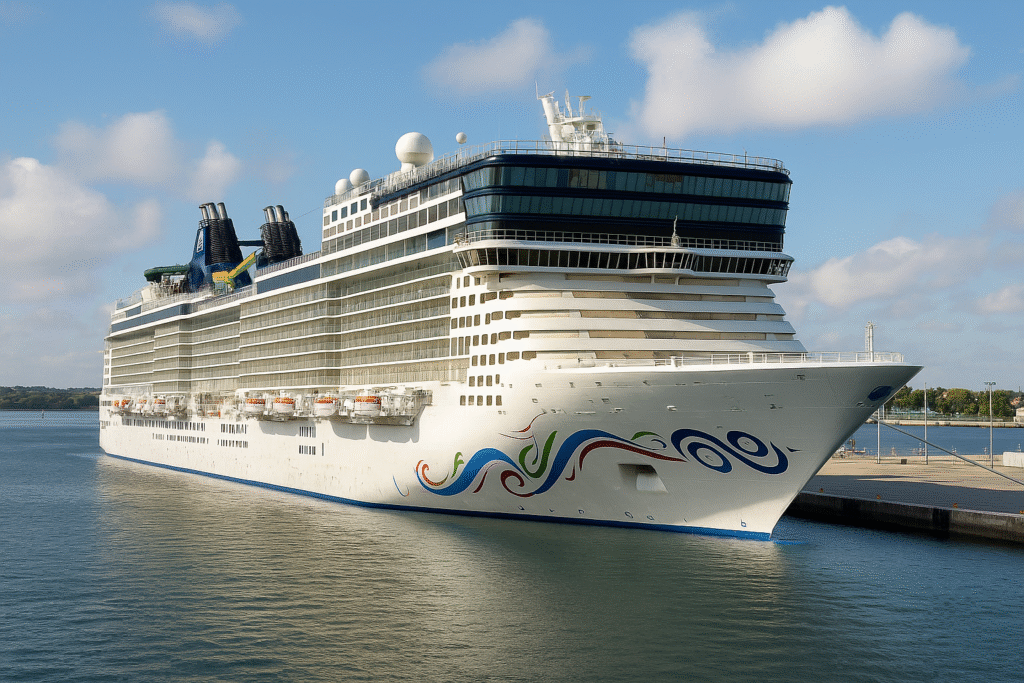
Norwegian Cruise Line issued a health alert for travelers who recently sailed on the Norwegian Epic after two guests developed Legionnaires’ disease. Both cases involved passengers who completed European itineraries before the ship departed on its November Mediterranean voyage. The announcement highlighted the need for strict monitoring as cruise tourism grows across key markets.
Norwegian Epic continues to sail with enhanced safety measures while teams investigate the situation. The ship remains one of Norwegian Cruise Line’s largest vessels and attracts travelers across Europe, the Caribbean, and transatlantic routes.
NCL Begins Full Investigation With CDC Support
Norwegian Cruise Line reached out to the CDC to coordinate a detailed investigation. Teams began collecting water samples from showers, spas, taps, and cooling systems. These areas can support Legionella bacteria when conditions allow bacterial growth.
The CDC and NCL teams now analyze the samples to identify any signs of contamination. The results will help guide stronger mitigation if needed. NCL officials confirmed their goal to maintain full transparency and protect passenger confidence. The CDC also offered technical guidance through the Vessel Sanitation Program, which oversees cruise ships calling at U.S. ports.
These steps demonstrate how cruise operators protect travelers through quick action and open coordination with health agencies.
Understanding Legionnaires’ Disease and Key Risk Factors
Legionnaires’ disease develops when people inhale water droplets that contain Legionella bacteria. The illness affects the lungs and develops symptoms similar to pneumonia. Travelers often experience fever, cough, headaches, and breathing difficulty. Symptoms can appear two days after exposure and sometimes take up to two weeks.
Older adults, smokers, and people with weakened immune defenses face higher risks. Doctors can diagnose the infection with specific tests and treat it with antibiotics. Early medical attention helps reduce complications.
Tourists rarely face this illness during travel, yet cruise ships take the risk seriously because they operate large water systems that serve thousands of guests.
Guidance for Passengers on Past and Current Voyages
NCL advised passengers currently on board to look for symptoms and report any concerns to the ship’s medical team. Staff members remain available at all hours to help guests. Those who disembarked within the last two weeks received instructions to monitor their health and contact a doctor if symptoms appear.
Passengers were also encouraged to show the advisory letter to healthcare providers. This information helps doctors order the right diagnostic tests quickly.
Travelers with increased health risks may request a change to future bookings. Guests who use humidifiers or breathing devices received reminders to use distilled water during their trip for added safety.
Norwegian Epic Continues Scheduled Cruises
Operations on Norwegian Epic continue with expanded onboard sanitation. The ship will depart on a ten-night transatlantic voyage from Rome to San Juan on November 13. From December through April, Epic will offer Caribbean cruises from Puerto Rico. More Mediterranean itineraries follow in spring and summer.
NCL continues to highlight its routine health practices, which include water testing, equipment disinfection, and plumbing maintenance. These procedures support passenger confidence and help keep the ship’s operations stable.
Cruise Industry Health Standards Remain Strong
The wider cruise tourism sector also relies on strict oversight. Several cruise lines reported isolated Legionnaires’ alerts in recent years, often involving only a few cases. Each event prompted testing and communication with travelers.
Health officials emphasize that Legionnaires’ cases remain rare on cruise ships. Operators follow sanitation rules set by agencies across Europe and North America. Regular inspections help maintain compliance, and ships must correct issues immediately when required.
These protocols help protect millions of cruise passengers each year.
Tourism Outlook Remains Strong Despite Precautionary Alert
Travel analysts believe the advisory will not slow long-term demand for cruises. Interest in Mediterranean and Caribbean routes continues to rise. As ships upgrade entertainment areas, cabins, and wellness facilities, travelers continue to view cruises as convenient all-in-one vacation options.
Norwegian Epic remains an important vessel in this market. The ship features multi-deck entertainment zones, extensive dining venues, and popular outdoor recreation areas. These attractions keep it competitive in both European and North American regions.
The quick response from NCL also supports industry trust. Travelers today expect clear communication and strong health oversight from cruise brands. NCL’s advisory aligns with these expectations and helps maintain passenger confidence.
Next Steps in the Ongoing Investigation
The investigation will continue until full laboratory results arrive. NCL and CDC teams will decide on additional actions once they review the findings. Any procedure needed to protect upcoming voyages will be completed before the ship begins new itineraries.
Passengers should monitor official updates from Norwegian Cruise Line. The company will share new details when testing is finished and clearance is given.
The cruise industry continues to grow in both size and sophistication. As global tourism expands, cruise lines now prioritize public health alongside entertainment and hospitality. Norwegian Cruise Line’s swift response reflects the sector’s commitment to safe and transparent travel.
For more travel news like this, keep reading Global Travel Wire