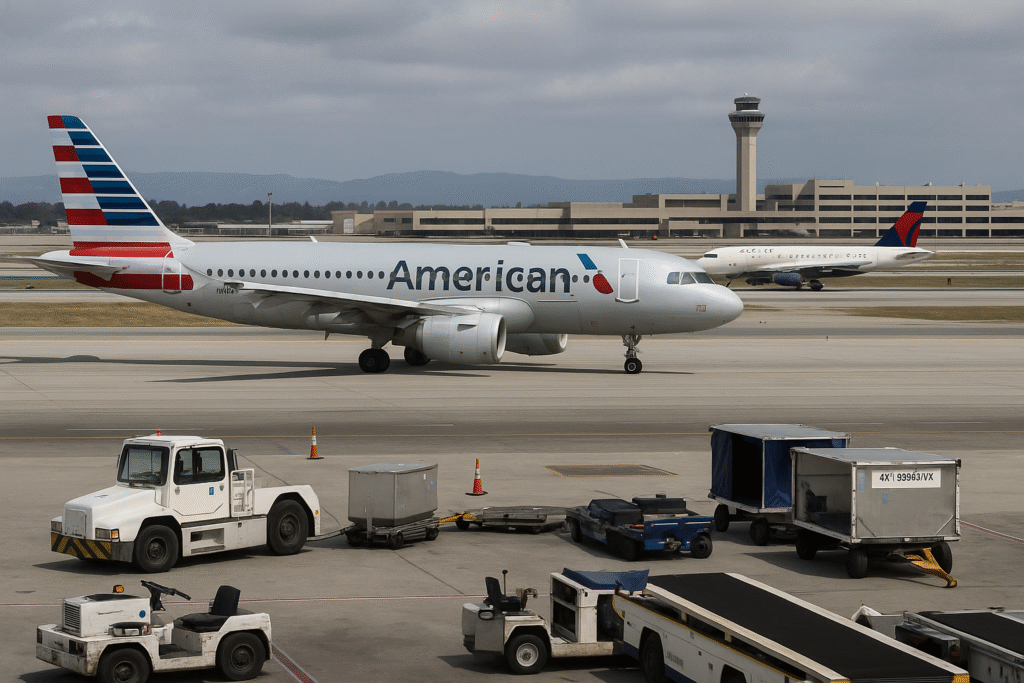
US airlines are keeping cancellations low and maintaining stable operations despite earlier concerns over required flight cuts. Growing staffing levels and better coordination across major airports have helped carriers protect schedules and keep travelers moving during a sensitive travel period.
FAA Softens Flight Reduction Mandate
The FAA had initially directed airlines to cut six percent of domestic flights at the busiest airports. This measure aimed to ease pressure caused by air traffic control shortages that intensified earlier delays. However, as staffing strengthened, the FAA reduced the requirement. Airlines responded quickly, adjusting schedules in a way that kept most planned flights operating.
Carriers canceled far fewer flights than expected through Thursday and Friday. Many airlines had prepared for deeper cuts but avoided them thanks to stronger workforce availability and more flexible scheduling models. The shift provided relief for passengers who feared widespread disruptions heading into a busy travel weekend.
Cancellations Fall Sharply by Friday
Industry data showed a steep decline in disruptions by the end of the week. Airlines cut only a small share of flights Friday—far below the early estimates that predicted significant operational strain. Several carriers reported cancellations of less than three percent, compared with earlier forecasts of up to ten percent at major hubs.
Operational teams credited the improvement to steadier staffing, refined crew planning, and timely adjustments made once the FAA eased its directives. Many airlines had already built buffers into their schedules to protect reliability.
Staffing Levels Show Signs of Recovery
The FAA has been working to rebuild its air traffic control workforce after years of shortages. Although the agency still remains several thousand controllers short of its target levels, hiring and training pipelines have begun to show progress. This shift has brought more predictable staffing coverage at key facilities.
At some airports, including those serving major metropolitan regions, the FAA continued to report pressure on tower staffing. Facilities such as Reagan Washington National and Newark Liberty experienced periodic delays. Still, the overall impact remained far lighter than earlier in the week.
Prior to staffing improvements, many controllers had been working six-day schedules and mandatory overtime. The workload increased during the recent government shutdown, when many employees worked without pay. That stress on the system triggered tens of thousands of delays nationwide, creating ripple effects for airlines and travelers.
Delays Drop After a Chaotic Start to the Week
Delays dropped steadily after Monday, when nearly ten thousand disruptions strained the system. By Thursday, delays fell to about three thousand, showcasing the effect of improved staffing and coordination. Airlines used the breathing room to reposition aircraft, stabilize operations, and reset schedules that had been thrown off earlier.
Passengers felt the difference. Airports reported smoother checkpoint flows and fewer long waits at boarding gates. Carriers noted that baggage handling and customer service recovery improved as fewer flights were canceled.
Industry Adapts With Operational Flexibility
The airline industry has become more nimble during periods of staffing strain. Many carriers now keep reserve crews ready, adjust aircraft assignments more fluidly, and use real-time monitoring to anticipate bottlenecks.
These tools have helped airlines manage the FAA’s evolving directives. Instead of applying across-the-board cuts, many carriers targeted schedule reductions at specific times or airports based on staffing forecasts. The flexibility helped keep flight networks intact across most routes.
Lingering Staffing Gaps Still a Concern
Although the situation improved, the air traffic control system still faces pressure. The FAA continues to work on long-term recruitment and training. Because controllers require intensive instruction and certification, new hires may take years to reach full qualification.
The agency has prioritized modernization and workforce expansion, both critical to supporting the growth in passenger demand. Travel volumes continue to approach or exceed pre-pandemic levels, meaning reliable staffing is essential for safe and smooth skies.
Travelers Benefit from More Predictable Operations
The reduction in cancellations offers reassurance to travelers heading into the peak holiday season. Airlines expect high demand and full planes, but with improved staffing and clearer FAA guidance, carriers believe they can manage schedules more effectively.
The industry’s resilience this week reflects broader improvements in planning and coordination. While challenges remain, especially at historically congested hubs, airlines are entering the next travel wave with a more stable operational base.
Outlook for the Coming Weeks
Airlines expect the FAA to continue refining staffing strategies at major air traffic control centers. Carriers also plan to keep proactive measures in place, including schedule trimming during peak hours and enhanced crew support.
Travelers may still see occasional delays, especially at airports with chronic staffing shortages. Yet the sharp decline in cancellations suggests a positive trajectory.
If staffing momentum continues, passengers can expect smoother travel experiences as winter approaches. The cooperation between airlines and the FAA marks a significant step toward more reliable national air travel.
For more travel news like this, keep reading Global Travel Wire