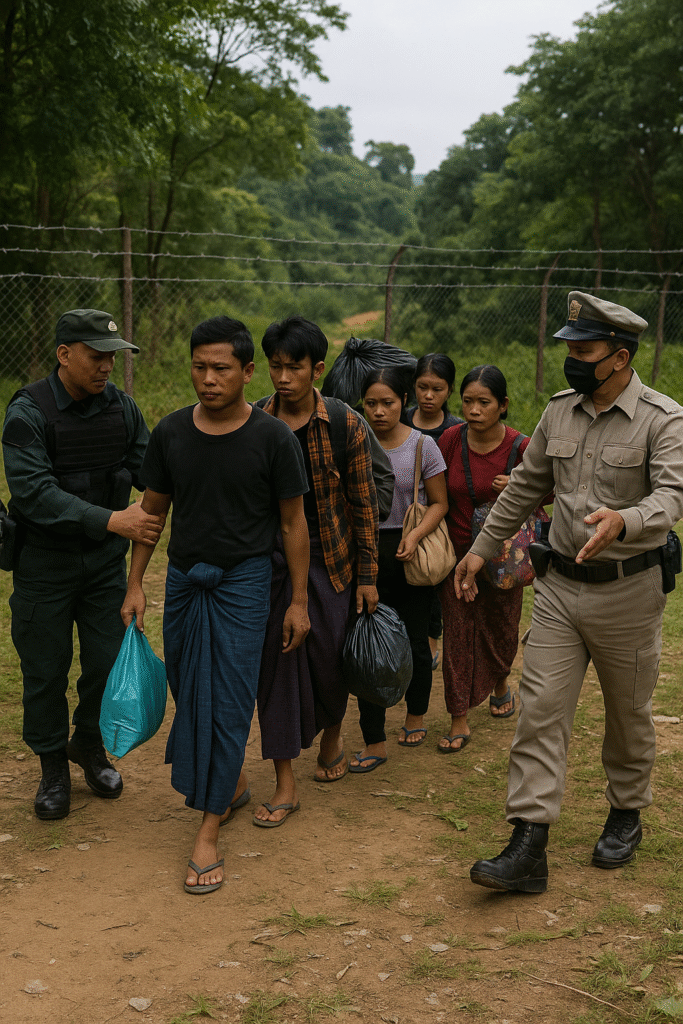
Southeast Asia offers vibrant cultures, tropical coastlines, and unforgettable travel experiences. But the region also faces ongoing issues linked to irregular migration, smuggling routes, and human trafficking networks. These concerns often affect vulnerable migrants, yet tourists may encounter indirect risks when moving through certain areas. Knowing how these networks operate and where risk zones exist can help travelers make informed and safe decisions.
Irregular Migration Hotspots in Southeast Asia
Southeast Asia’s geography and porous land borders create ideal conditions for irregular cross-border movement. Several countries serve as key hubs where smuggling networks operate and migrants enter or transit without proper documentation.
Malaysia
Malaysia hosts one of the region’s largest populations of undocumented migrants. Estimates range from 1.5 to 4 million people working without valid permits. Many work in construction, domestic service, and agriculture. Large-scale enforcement operations continue across the country, including frequent immigration raids. These highlight the extent of irregular labor activity and the presence of criminal groups who exploit undocumented workers.
Thailand
Thailand’s borders with Myanmar, Cambodia, and Laos are long and difficult to monitor. This makes the country both a destination and a transit point for migrants seeking work or safe passage. Smuggling networks often move people into major cities such as Bangkok, Chiang Mai, and Phuket. Some trafficking rings operate in border-side forests and remote river routes, where they exploit migrants through forced labor and other abuses. Thai authorities conduct continuous raids and border patrol operations to combat these networks.
Indonesia
Indonesia functions mostly as a transit route, especially for those trying to reach Australia or Malaysia. Smuggling groups use remote islands to move people through risky sea passages. While the number of undocumented migrants is smaller than in Malaysia or Thailand, Indonesia remains a significant part of the migration chain. Dangerous sea journeys, rough waters, and unregulated ports heighten the risks for anyone traveling in these zones.
Are Tourists Directly at Risk?
Most travelers using legal routes and proper documentation face low risk from smuggling and trafficking networks. These groups focus on vulnerable migrants, not tourists. Still, indirect risks exist in specific areas or situations.
Low Risk for Mainstream Travelers
Travelers who stay within popular destinations, use official border checkpoints, and rely on licensed tour operators rarely encounter problems. Southeast Asia’s major tourism hubs—such as Bangkok, Bali, Phuket, and Singapore—maintain strong tourism infrastructure and strong police presence. Immigration systems in major airports and ports are efficient, and security forces target criminal networks rather than visitors.
Higher Risk Near Border Zones
Border areas in Myanmar, Laos, Cambodia, and parts of northern Thailand see higher smuggling activity. These locations can host criminal operations, undisclosed compounds, and scam centers. Tourists exploring remote or unofficial routes may accidentally enter unsafe zones.
Unregulated establishments, hidden border crossings, or unlicensed tour services may be used by traffickers to conceal illegal activities. Travelers unfamiliar with local conditions could become vulnerable to scams or intimidation.
Common Travel-Related Scams and Risks
Travelers are rarely targets of trafficking, but some may still fall victim to related schemes.
Fraudulent Job Offers
Scammers sometimes offer high-paying work opportunities to foreigners. These jobs may appear legitimate but can lead to forced labor situations or illegal employment conditions. Travelers should avoid any job offer that bypasses official work visas.
Dubious Tour Packages
Some unlicensed agents operate near border towns or remote islands. They may offer cheap travel deals, unofficial transport, or special “off-route” experiences. These services can expose tourists to unsafe areas or connect them to smuggling routes used by criminal groups.
Examples of Known Risk Areas
Myanmar–Thailand Border
Authorities have uncovered compounds where criminal groups force individuals—including some foreign visitors—to take part in online scam operations. Victims were often lured through fake company offers or deceptive travel packages.
Sabah, Malaysia
Sabah’s proximity to the southern Philippines creates a unique security challenge. Certain coastal areas have seen past incidents involving armed groups. While tourists rarely encounter danger in regulated zones, remote coastal travel can carry risks.
Indonesia’s Outlying Islands
Smuggling networks move migrants through isolated islands with minimal oversight. Tourists visiting these remote waters could come across unregulated boats or criminal operators.
Practical Travel Safety Tips
Travelers can significantly reduce risk with simple precautions:
- Use official visa channels: Always apply for visas and permits through recognized government systems.
- Avoid remote border areas: Stick to well-established travel routes unless accompanied by licensed guides.
- Choose verified operators: Book transport and tours through reputable companies with clear licensing.
- Avoid suspicious offers: Decline unsolicited job offers, investment schemes, or unusually cheap tours.
- Stay updated: Review government travel advisories before and during your trip.
Conclusion
Tourists traveling through Southeast Asia generally remain safe when using legal routes and sticking to popular destinations. While irregular migration and smuggling networks are present in Thailand, Indonesia, and Laos, these operations rarely target visitors. The main risks arise in remote border regions or through unsafe, unverified services. By staying informed, using trusted operators, and avoiding high-risk zones, travelers can enjoy Southeast Asia’s beauty with confidence and peace of mind.
For more travel news like this, keep reading Global Travel Wire