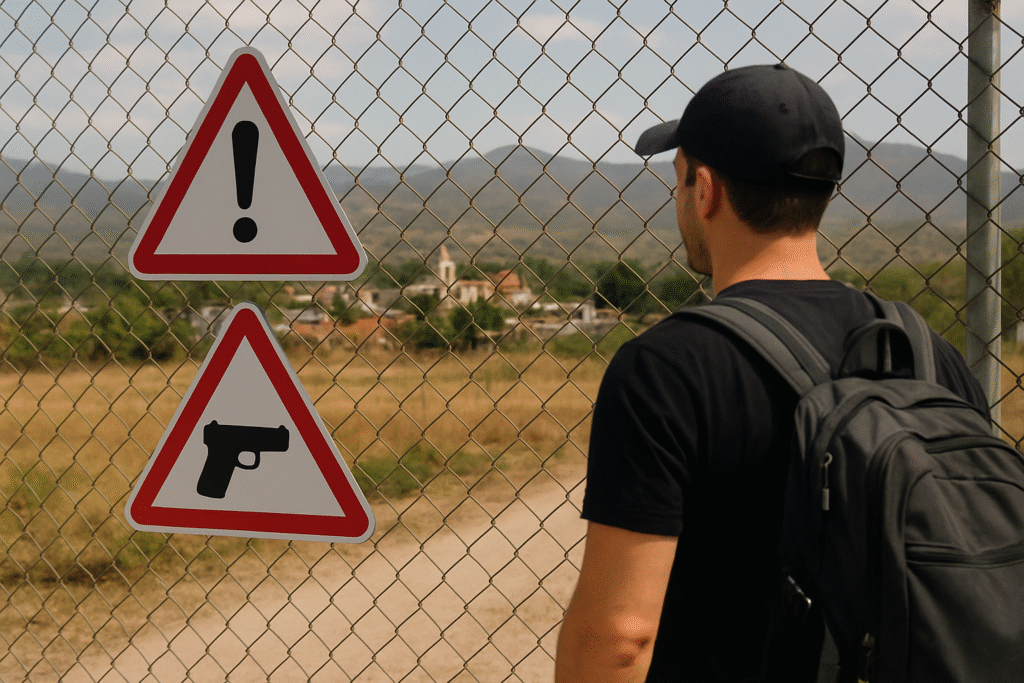
The Canadian government has issued a fresh travel alert urging its citizens to avoid non-essential travel to specific regions in Mexico. The warning reflects growing concerns about organised crime, violent clashes and general instability in those areas. While many destinations remain safe for tourists, the advisory emphasises caution and heightened awareness.
Why the Warning Was Issued
Canada’s travel advisory system indicates that many parts of Mexico pose elevated risks to travellers. The government notes high levels of violent crime and organised criminal activity in certain states. In response, the advisory warns Canadians to reconsider travel plans to specified regions and to exercise extreme caution. The national advisory level for Mexico overall is “exercise a high degree of caution with regional advisories.”
High-Risk Regions Highlighted
The warning identifies a number of states where non-essential travel is discouraged:
- Chiapas: While popular tourist towns may still see visitors, wide parts of the state have seen increased violent confrontations and gang activity. Tourists are advised to stay on major routes, avoid remote areas and avoid night travel.
- Sonora: Located along the US-Mexico border and known for its desert landscapes and coastal zones, parts of Sonora now carry increased risk due to organised crime. Travelers should limit movements and stay in well-populated zones.
- Colima: The coastal state includes the tourist gateway of Manzanillo, which remains relatively safe when accessed by air. However, surrounding rural areas are flagged as higher risk.
- Chihuahua: Home to dramatic terrain such as the Copper Canyon, this large northern state is under caution due to rising violence in remote regions and border zones. Travellers are advised to avoid non-essential travel to areas beyond the main urban centres.
Additional states under regional advisories include Guanajuato, Jalisco (near Michoacán), Michoacán (outside Morelia and Pátzcuaro), Nuevo León (excluding Monterrey), Tamaulipas (excluding Tampico), Zacatecas (excluding Zacatecas City), Guerrero (excluding Ixtapa/Zihuatanejo for air-access), Nayarit (near Sinaloa border), and Morelos (Lagunas de Zempoala National Park region).
What This Means for Canadian Tourists
Canada remains a significant source of international travellers to Mexico. However, this increased advisory may influence destination choices. Many Canadians seek sunshine destinations outside the U.S., thanks to relative proximity. With the new warning, some may steer clear of higher-risk zones and focus instead on well-known resort areas. Popular coastal destinations remain largely unaffected by the highest-level warnings and continue to welcome tourists.
Safe Alternatives & Good Practices
For Canadians still planning a Mexican getaway, especially outside of the flagged zones, the following measures are prudent:
- Stay updated on local conditions and news throughout your trip.
- Avoid travelling late at night or into less-populated regions and remote roads.
- Use reliable transportation and stay in reputable accommodations.
- Share your itinerary with friends or family and keep them informed of your location.
- Obtain travel insurance that covers unforeseen events or cancellations due to security issues.
- Monitor official travel guidance and heed instructions from local authorities.
Not All of Mexico Is Affected
It’s important to note that many of Mexico’s top tourist destinations remain safe and welcoming. Areas such as popular beach resorts and resort zones, typically accessed directly via flights and contained within well-supervised zones, are not part of the highest-risk categories. For many travellers, Mexico continues to offer value and ease of access compared with other long-haul locations.
Final Thoughts
Canada’s strengthened travel guidance reflects a shift in certain Mexican regions, where safety risks have risen. The important takeaway: avoid non-essential travel to designated high-risk states, and if you proceed with travel to other areas, do so with careful planning and heightened vigilance. With the right precautions, Mexican destinations that remain unaffected by the warning continue to offer enjoyable options for Canadian travelers.
For more travel news like this, keep reading Global Travel Wire