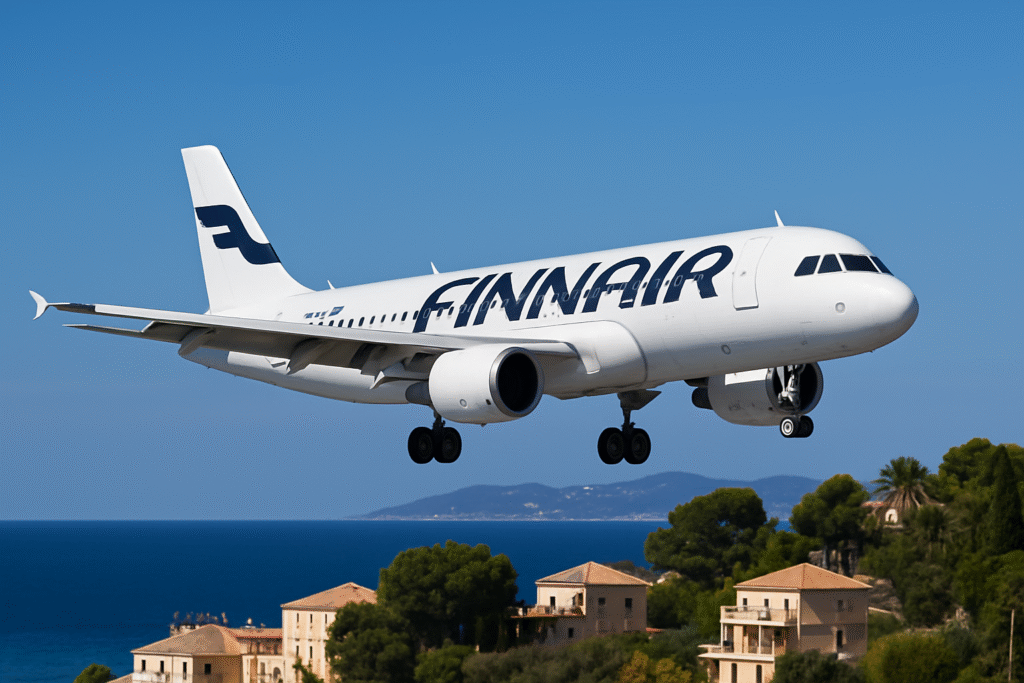
Finnair continues its strong growth strategy for 2026 with two major additions to its Greek network. The airline launches direct flights from Helsinki to Thessaloniki and Kos for the summer season. These new routes strengthen Finnair’s efforts to meet increasing demand for Mediterranean travel among Nordic and Baltic tourists. They also highlight Greece’s rising appeal as a cultural and leisure destination for Northern Europe.
Thessaloniki now attracts larger numbers of travelers due to its history, its lively waterfront areas, and its vibrant culinary scene. Kos remains a favorite among tourists who want beaches, ancient sites, and warm island culture. Finnair aims to connect these Greek destinations with Helsinki’s growing role as a leading European hub.
Thessaloniki Gains New Tourism Momentum From Northern Europe
Finnair introduces three weekly flights between Helsinki and Thessaloniki. This new route strengthens travel flows between Northern Europe and Northern Greece. Thessaloniki continues to grow as a major cultural center with strong international interest. Its blend of Byzantine landmarks, modern museums, and expanding coastal development draws more visitors each year.
The new flights offer quick access for tourists from Finland, Sweden, Norway, and the Baltic countries. These travelers often look for destinations that combine warm weather with city experiences. Thessaloniki offers both, along with easy access to nearby Chalkidiki and Mount Olympus. Finnair now gives these tourists a direct path to the region’s attractions.
Local businesses in Thessaloniki expect clear benefits. Hotels, restaurants, and tour operators welcome new arrivals from the North. Increased traffic also strengthens the city’s long-term tourism profile. Thessaloniki aims to grow its international reach, and Finnair’s direct service supports that plan.
Kos Strengthens Finnair’s Mediterranean Portfolio
Finnair also opens a direct summer route from Helsinki to Kos. This addition supports travelers who want beach holidays with cultural depth. Kos offers sandy coasts, family resorts, and important archaeological sites. Visitors enjoy landmarks such as the Asklepieion, the medieval castle, and the ancient agora. These features give the island a strong cultural identity alongside its leisure appeal.
Finnair uses this new service to enhance travel options for Nordic passengers. Many want simple, reliable flights to warm destinations during summer. The Kos route answers that need with direct access and flexible planning choices. It also supports travelers who want to combine outdoor activities with island relaxation.
Kos benefits from Finnair’s strong presence in Northern Europe. The island gains more visitors during peak months, which helps the local economy. Tourism remains a major economic driver for the Dodecanese region, so new international arrivals bring meaningful value.
Helsinki Strengthens Its Position as a Key European Hub
Finnair expands its European network to 93 destinations in 2026. This growth strengthens Helsinki’s importance as a major hub for transfer passengers. The airport offers short connection times and smooth travel flows. Many global travelers use Helsinki to reach Europe, Asia, and the Arctic.
Finnair now uses its hub strategy to support travel to Greece. Travelers from across Northern Europe will reach Thessaloniki and Kos through convenient transfers in Helsinki. This structure increases efficiency for visitors and supports Finland’s tourism goals.
The airline continues to improve schedules and aircraft allocation across its network. This ensures strong connectivity between Mediterranean destinations and major European cities. Helsinki gains more visibility as a central gateway for leisure and business travel.
New Winter Routes Strengthen Finnair’s Lapland Network
Finnair also invests in winter tourism with new routes to Lapland. The airline begins direct flights from Brussels, Zurich, and Paris to Kittilä and Rovaniemi in winter 2026. These additions join Finnair’s existing year-round Arctic services.
Lapland continues to attract rising numbers of visitors each winter. Tourists arrive for Northern Lights tours, reindeer safaris, Arctic adventure sports, and visits to Santa Claus Village. Many families choose Lapland for Christmas holidays. Sk travelers also visit the region for long weekend adventures.
Finnair supports this demand with improved international access. Travelers from Central Europe now gain direct routes to Finland’s most popular Arctic destinations. These flights help the region grow its tourism economy and extend the winter season.
Finnair Balances Mediterranean Growth With Arctic Expansion
Finnair now follows a strategy that balances summer and winter demand. The airline grows its Mediterranean network during warm months, while enhancing Lapland access during winter months. This dual approach brings efficiency and meets evolving traveler preferences.
Routes to Thessaloniki and Kos strengthen Finnair’s southern reach. Routes to Kittilä and Rovaniemi strengthen its northern influence. This combination supports Helsinki’s status as a major transit point.
Conclusion: Finnair Builds a Stronger European Network for 2026
Finnair takes a major step forward with its 2026 expansion. Travelers from Northern Europe gain simple access to Thessaloniki and Kos. Visitors from Central Europe gain easier routes to Lapland. Helsinki grows as a leading European hub with balanced seasonal offerings.
Whether travelers seek Greek sunshine or Arctic winter magic, Finnair now offers a smooth and flexible network. The airline strengthens its role in Europe and delivers more choice for tourists across the region.
For more travel news like this, keep reading Global Travel Wire