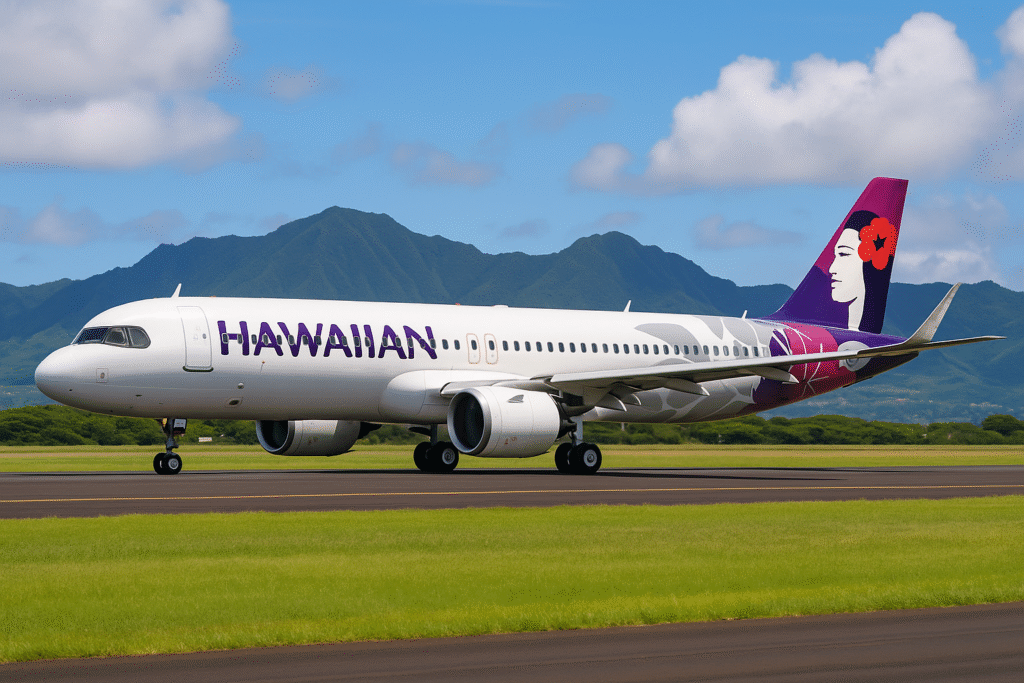
Hawaiian Airlines has made a bold shift in its distribution strategy. The carrier removed its global distribution system (GDS) booking surcharge earlier this year. The fee, usually around US$7 per segment, created friction in agency channels. Now removed, the change is delivering strong results for the airline and creating momentum for the Hawaii tourism sector.
The move is simple on the surface. Yet it marks a deeper change in how Hawaiian Airlines wants to reach travellers. It boosts visibility in global travel markets, supports tourism to the islands, and strengthens ties with agencies that help funnel millions of visitors into Hawaii every year.
A Clear Shift in Strategy
Hawaiian’s removal of the surcharge came with another important step. The airline restored full inter-island flight content to major GDS platforms. It includes Sabre, Amadeus, and Travelport. This enhances access for travel agents and ensures travellers see complete schedules when planning multi-island journeys.
The airline is signalling that it values broad distribution. It no longer wants travel agencies to hesitate due to extra fees or incomplete content. The change also aligns with increased travel demand to Hawaii, especially for island-hopping itineraries and cultural tourism packages.
Why the Decision Matters
Hawaiian’s strategy creates several advantages for the airline and for the wider tourism ecosystem.
Better Travel Agency Relationships
Travel agencies book a significant share of Hawaii vacations. Many travellers prefer curated holiday packages, multi-island routes, or honeymoon deals built by specialists. Removing the surcharge makes Hawaiian a more attractive option for these partners.
Higher Visibility Across Global Markets
More accessible schedules mean more competitive placement in search results. That raises Hawaiian’s exposure in international markets, where agents often rely heavily on GDS data to recommend flights to clients.
Stronger Competitive Position
Hawaii is a high-demand destination with multiple carriers serving it. A small fee can nudge agencies to choose another airline. Eliminating the surcharge helps Hawaiian retain bookings that may have previously shifted elsewhere.
Improved Distribution Balance
Airlines often try to move customers toward direct bookings. Yet Hawaiian recognises how vital agency channels remain for long-haul and luxury travellers. Diversifying channels helps reduce dependence on digital advertising and fluctuating online traffic trends.
The Results So Far: A Noticeable Share Shift
The airline’s parent company, Alaska Air Group, reports a “meaningful share shift” toward one major GDS since the surcharge was removed. This means more travel agencies are booking Hawaiian flights through friction-free channels.
While detailed numbers were not released, the early impact shows higher booking volumes and greater efficiency. Lower friction usually results in higher conversion. For Hawaiian, this means a healthier flow of reservations during a period of strong tourism demand in the islands.
Impact on Hawaiian Tourism
Hawaii continues to attract travellers seeking beaches, cultural heritage, volcanic landscapes, and outdoor adventure. Tourism bodies have highlighted rising interest in sustainable cultural travel, community-based tourism, and multi-island itineraries.
With Hawaiian’s full inter-island schedule back in the GDS, agencies worldwide can build better holiday packages for travellers who want to explore more than one island. This supports local businesses, hotels, tour operators, and regional airports.
How Travellers Benefit
The surcharge removal indirectly helps travellers too.
Here’s how:
- Lower booking friction means smoother planning for complex trips.
- More complete flight options appear when searching through agencies.
- Better access to inter-island routes supports flexible itineraries.
- Reduced chances of extra fees being passed down by agencies.
Travellers booking through agents now enjoy a clearer view of available options. That improves trip planning during peak seasons when demand can be intense.
Why This Works for Hawaiian Airlines
Hawaiian Airlines holds a strong position in the tourism market.
A Popular, High-Demand Destination
Hawaii’s global appeal ensures steady demand. Hawaiian benefits from this pull and strengthens its position through easy distribution.
A Strong Inter-Island Network
Its inter-island routes are essential for both residents and tourists. Integration into the GDS creates easier itinerary building for long-haul travellers.
Support from Alaska Air Group
With its new parent company behind it, Hawaiian can test strategies that enhance long-term booking stability.
Balanced Distribution Channels
The airline gains resilience when booking sources are diverse. It reduces reliance on expensive digital acquisition costs.
What Comes Next?
Observers are watching closely to see whether more airlines follow Hawaiian’s approach. Distribution fees are a contentious issue in the airline industry. If Hawaiian’s results hold, other carriers may also reconsider fees that hinder agency sales.
Industry watchers will monitor:
- whether the share growth continues
- how the move affects long-term revenue
- whether pricing strategies adjust
- if more carriers restore full content to major GDS platforms
A Small Fee, A Big Message
Scrapping a US$7 fee may sound minor, but the decision reflects Hawaiian Airlines’ larger vision. It wants to stay visible, accessible, and competitive. It wants agencies to feel valued. It wants travellers to reach the islands with fewer barriers.
As Hawaii’s tourism sector continues to grow, Hawaiian Airlines’ strategy could shape future airline distribution trends. It is a bold move that may inspire others to rethink how they reach the global traveler.
For more travel news like this, keep reading Global Travel Wire