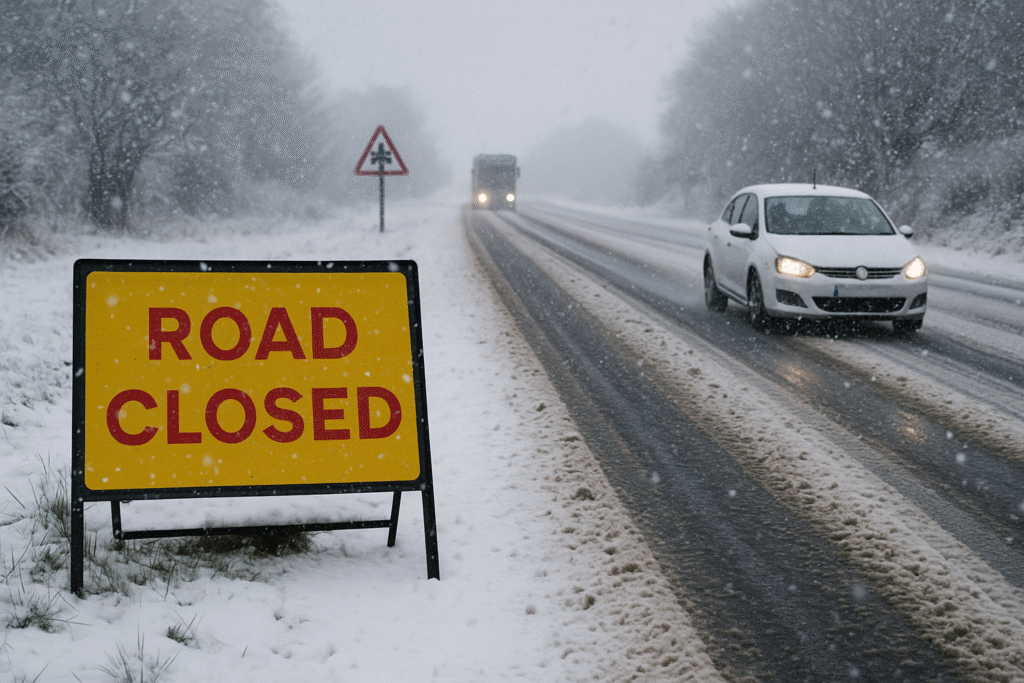
Winter has arrived with force across the United Kingdom. A powerful cold snap is sweeping from Scotland to Cornwall, bringing heavy snow, severe ice, and freezing winds. This rapid shift in weather has started to disrupt travel, tourism, and day-to-day life, marking the country’s first major winter event of the season. With weather alerts stretching across the map, travellers are being urged to stay prepared and follow updated guidance as conditions worsen.
Sudden Freeze After a Mild Start to the Month
The wintry blast follows an unusually mild start to November. Temperatures earlier in the month stayed far above seasonal averages, giving many regions a longer autumn feel. But the sudden plunge in temperatures has created a stark contrast. Thermometers are dropping to freezing levels, and some northern areas are seeing sub-zero nights.
This shift has caught many travellers off guard. Tourism hotspots, especially rural destinations known for scenic drives and outdoor stays, are now experiencing slippery roads and falling visibility.
Snow and Ice Warnings Spread Across the Country
Weather alerts cover large parts of the UK. Forecasters warn of snow totals reaching 5cm in many low-lying regions and more than 10cm in higher areas. The coldest air is hitting Scotland and the northern half of England, where snow showers are frequent.
Coastal regions in Cornwall and Devon are also facing their first major winter disruption. Snowfall of 2–5cm is likely, with inland areas facing deeper accumulations overnight. Ice is a major concern, as temperatures hover at or below freezing.
These conditions are expected to bring travel delays, cancelled public transport, and a higher chance of power interruptions in vulnerable communities.
South West England Among the Hardest Hit
Tourism operators in the South West are preparing for a difficult week. Cornwall, north Devon, and west Devon are under extended weather warnings. Temperatures are dropping quickly as cold air spreads inland.
Snow is affecting local roads, particularly rural routes popular with visitors. Ice patches are forming overnight, creating dangerous travel conditions. Drivers heading to scenic coastal areas or holiday parks are being urged to plan ahead or delay non-essential trips.
Visitors arriving by train or coach may also face delays as operators adjust timetables and slow services for safety.
Scotland Sees the Most Severe Winter Conditions
Scotland is facing the harshest winter impact so far. Northern regions are experiencing frequent snow showers, with mountains and upland areas expecting deep snow by midweek. Tourism hubs in the Highlands and Cairngorms may see widespread disruption, especially for travellers heading to walking routes and winter sports areas.
Authorities have prepared for weeks. Road teams have stocked hundreds of thousands of tonnes of salt to keep major roads passable. More than 200 gritters are ready to operate across trunk roads and high-risk areas.
Visitors driving north are advised to carry winter supplies, check route closures, and avoid travelling at night when temperatures are lowest.
Transport Networks Brace for Major Disruptions
Air, rail, and road networks are preparing for a challenging few days. Airlines are warning passengers to allow extra time before departure due to potential delays in de-icing operations. Train companies may run reduced schedules through snowy corridors.
Travellers using buses or coaches should expect cancellations as smaller roads freeze over. Tourist attractions located in rural or upland regions may restrict access or close temporarily.
Officials recommend checking weather forecasts before starting any journey and preparing for sudden changes in conditions.
Impact on Tourism and Outdoor Activities
The winter weather arrives at a time when domestic travel remains popular. Many visitors travel to see Christmas markets, winter coastlines, and seasonal events. But snow and ice could affect opening hours, event schedules, and accessibility.
Outdoor attractions such as national parks, historic trails, and viewpoints may be difficult to reach. Hospitality businesses in snowy regions are advising guests to confirm bookings, review travel plans, and stay updated on local alerts.
However, some areas that rely on winter tourism, particularly mountain regions in Scotland and northern England, expect a boost as snow attracts hikers and early winter sports enthusiasts. Resorts are preparing to open facilities depending on safety conditions.
Cold Snap Expected to Ease by the Weekend
Forecasters expect the cold snap to continue through Thursday night. Milder air may return by the weekend, bringing more stable conditions and softer temperatures. Until then, the UK will continue to face wintry roads, freezing winds, and the likelihood of travel disruption.
Visitors and residents are encouraged to stay updated on local weather advice and adjust plans when necessary. The first major cold spell of the season is a sharp reminder of the winter ahead and its impact on travel and tourism across the country.
For more travel news like this, keep reading Global Travel Wire