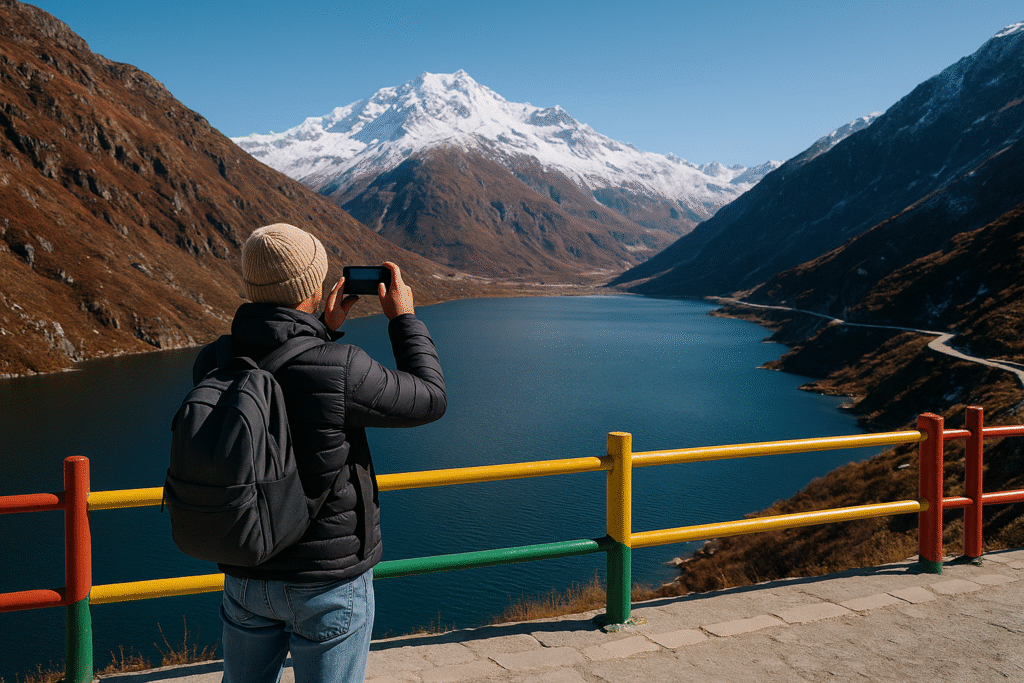
Sikkim begins a major digital shift that transforms travel across its high-altitude regions. The state now offers online permits for all routes that require special entry clearance. This change ends the long era of paper permits and slow checkpoint lines. Travelers can now use a quick online system that grants approval within minutes. This new setup supports faster movement, stronger security, and smoother experiences for visitors across the state.
The government also pushes several large infrastructure projects that strengthen travel routes in remote areas. These projects focus on landslide-prone corridors and fragile mountain stretches that often slow down movement. With new bridges, restored roads, and better access to border regions, Sikkim aims for a future where tourism grows without harming the environment.
Digital Permits Create Better Travel Flow
Travelers once faced long waits at checkpoints because officers checked paper permits by hand. That old process often stretched into hours during peak tourist seasons. The new digital system removes that entire layer of frustration. Tourists can apply online and receive a QR code on their phones within minutes. Officers can scan the code instantly at any checkpoint, which speeds up movement across the state.
This new system helps tourists reach places like Tsomgo Lake, Nathu La, Lachen, and Zuluk without delays. These areas attract huge visitor numbers throughout the year. Until now, lines at checkpoints often blocked vehicles and created large crowds. The QR-based process solves these issues and offers a smoother welcome to visitors from across the world.
The system also strengthens security. Officers can track visitor routes in real time, which helps teams respond faster during emergencies. This tracking also protects ecologically fragile regions that need strict limits on visitor numbers. The government now gains accurate information about crowd flow, route popularity, and peak travel hours. These insights allow teams to plan better services and manage fragile zones more responsibly.
Sikkim Strengthens Environmental Protection
Sikkim holds some of the most delicate mountain ecosystems in India. Tourist demand grows every year, which pressures the state’s lakes, passes, and high-altitude valleys. The digital permit system helps the government control visitor numbers without blocking travel demand. Real-time data shows how many travelers enter each region. Teams can then direct visitors to alternative routes or limit entries when needed.
This system supports better conservation for zones like Tsomgo Lake, where rising footfall threatens local wildlife and fragile terrain. Authorities can now monitor every visitor group and respond fast when regions face overcrowding. This approach promotes sustainable tourism, which remains one of Sikkim’s long-term goals.
Better data also helps the government improve services where demand rises. Clear information on visitor flow allows officers to plan rest stops, waste-management systems, and safety posts more accurately. These improvements protect nature and create cleaner experiences for every traveler.
Major Infrastructure Projects Improve Connectivity
Alongside the digital rollout, Sikkim invests heavily in new infrastructure. Many high-altitude regions suffer from landslides and heavy snowfall, which disrupt travel throughout the year. The government now focuses on restoring and upgrading these key stretches to support both tourism and essential transport.
One of the most important projects involves the Chungthang–Lachen corridor. This route provides access to northern destinations like Lachen and Gurudongmar Lake. Frequent landslides damage this road and often cut off entire regions. Restoration work now progresses at a strong pace, with a target completion of December 2025. Visitors will gain smoother access, and local communities will receive more reliable transport links.
Another major structure, the Taram Chu Bridge, moves toward completion. This new bridge will restore full connectivity along a vital route that supports tourists, villagers, and defense teams. The bridge holds key importance because mountain rivers often swell during heavy rain, which disrupts older crossings. The new design ensures safer travel and stronger support for logistics across the region.
These projects highlight the government’s commitment toward safe and dependable travel. Stronger roads and bridges reduce travel risks and support the growing tourist demand across the northern frontier.
A Strong Vision for Sustainable Tourism
Sikkim aims to lead India in sustainable mountain tourism. Digital innovation and infrastructure growth now form the foundation of this vision. With quick online permits, real-time monitoring, and faster travel routes, the state offers a modern model for visitor management in sensitive regions.
Local communities will also benefit from smoother roads, stronger safety systems, and new opportunities created by rising tourist numbers. Better planning tools help the state guide tourism growth without harming nature. Sikkim now enters a new era where development and environmental care grow together.
Travelers can expect quicker entry, safer routes, and richer experiences. As the state completes its ongoing projects, Sikkim will continue to draw nature lovers who seek pure landscapes and responsible travel systems.
For more travel news like this, keep reading Global Travel Wire