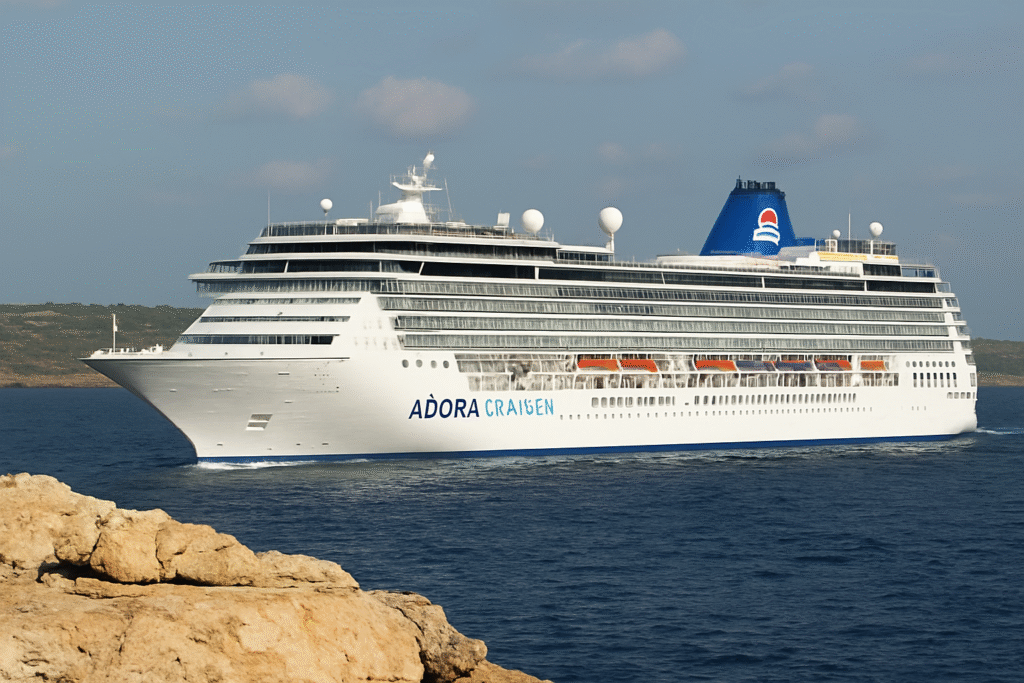
A sudden itinerary change on the Adora Mediterranea sparked concern across Asia’s tourism industry. The Chinese-operated cruise cancelled its planned stop at Miyakojima on November 20th, 2025. The ship had sailed from Xiamen on November 18th and carried thousands of travellers who expected to enjoy the island’s beaches, food, and culture. The cancellation removed that opportunity and created frustration among passengers who planned the trip months in advance.
The decision came as diplomatic tensions between China and Japan intensified. Recent political remarks about Taiwan sparked a firm reaction from Beijing. Chinese authorities urged citizens to reconsider travel to Japan, which created immediate consequences for tourism operators across the region.
Cruise Passengers Left Without Shore Access
The ship approached Hirara Port but received instructions to deny all disembarkation. The vessel anchored offshore and remained there without allowing passengers to board tenders or join excursions. The last-minute change surprised local officials and disrupted scheduled tours across Miyakojima.
The island relies heavily on cruise calls for economic stability. Local tourism boards promote the region’s beaches, coral reefs, and hospitality. This cancellation triggered concern among business owners who depend on visitor spending. Restaurants, transport providers, and guides prepared for large crowds and saw those plans collapse within minutes.
Growing Diplomatic Tensions Hit Tourism Hard
The cancelled port call forms part of a wider pattern of travel disruption. Chinese travellers make up a major segment of inbound tourism to Japan. Tour operators across Japan report rising cancellations from organised groups. Major cities feel the impact, but Okinawa and Miyakojima experience deeper losses because of their dependence on regional arrivals.
Chinese airlines also offer fee waivers for Japan-bound flights. This policy led to a rapid rise in ticket cancellations. The tourism ministry in Japan has acknowledged this trend and continues to monitor travel behaviour. Officials highlight the need for calm and encourage communication between governments.
Japan’s tourism sector had finally begun to recover after the pandemic. Local businesses enjoyed strong demand from travellers across Asia. The current political climate threatens to slow that recovery. Tourism experts warn that prolonged tension could create further cancellations and increase financial stress on smaller communities.
Travel Advisories Influence Public Behaviour
Governments in both countries issued travel advisories. Japan advised caution for citizens visiting China. China repeated its guidance for travellers to reconsider non-essential trips to Japan. These advisories influence traveller confidence and often lead to sudden changes in booking patterns.
The Adora Mediterranea incident reflects how fast travel plans can shift during diplomatic disagreements. Cruise lines depend on easy cooperation with local authorities. Even minor political shifts can affect itineraries because cruise operators must maintain safety, compliance, and operational stability.
Cultural Exchanges and Trade Feel the Impact
Tourism is not the only affected sector. Cultural programs, business forums, and academic exchanges between the two countries also face delays or cancellations. Local governments in Japan emphasise the value of neighbourly cooperation. They continue to encourage dialogue that supports stability and long-term regional growth.
The cancelled port stop highlights how diplomacy influences commercial travel. Cruise lines schedule itineraries years in advance. Sudden tension can force changes that impact passengers, staff, and local economies. Industry leaders stress the need for crisis planning as geopolitical issues become more common.
Maritime Tourism Faces Rising Uncertainty
Maritime travel often responds quickly to political risks. Cruise companies now review routes that include ports in sensitive areas. Operators will likely adjust future plans if the diplomatic situation worsens. The Adora Mediterranea incident shows how one decision can affect thousands of travellers in a single day.
Cruise lines that operate in East Asia follow updates closely. They rely on stable relations between countries because their itineraries cover multiple ports across long distances. Any shift in stability can lead to unexpected detours, longer sailing times, or skipped destinations.
Japan’s Local Economies Brace for More Challenges
Local tourism boards in Okinawa and Miyakojima continue to assess the economic impact. These islands count on regional tourism as a major source of revenue. Shops, hotels, tour buses, and guides rely on steady visitor flows. A sudden drop in arrivals creates pressure on local workers and small businesses.
Travel experts note that government support may help affected regions. Many local leaders urge stronger communication with cruise operators to maintain reliability. Tourism remains a major pillar of Japan’s economic strategy, especially as the country continues to promote regional attractions and sustainable travel.
Uncertain Outlook as Tensions Continue
The Adora Mediterranea case shows how quickly diplomatic problems can reshape regional tourism. Travellers face sudden changes that affect both plans and budgets. Operators must respond fast to protect safety and maintain service. The situation between China and Japan remains tense, and travel disruptions may continue if political dialogue stalls.
For now, both countries navigate a complex moment. The tourism industry sits at the centre of this uncertainty. Travellers, cruise companies, airlines, and local communities all watch closely for signs of improvement. The future of travel between China and Japan depends on stability, cooperation, and diplomatic progress.
For more travel news like this, keep reading Global Travel Wire