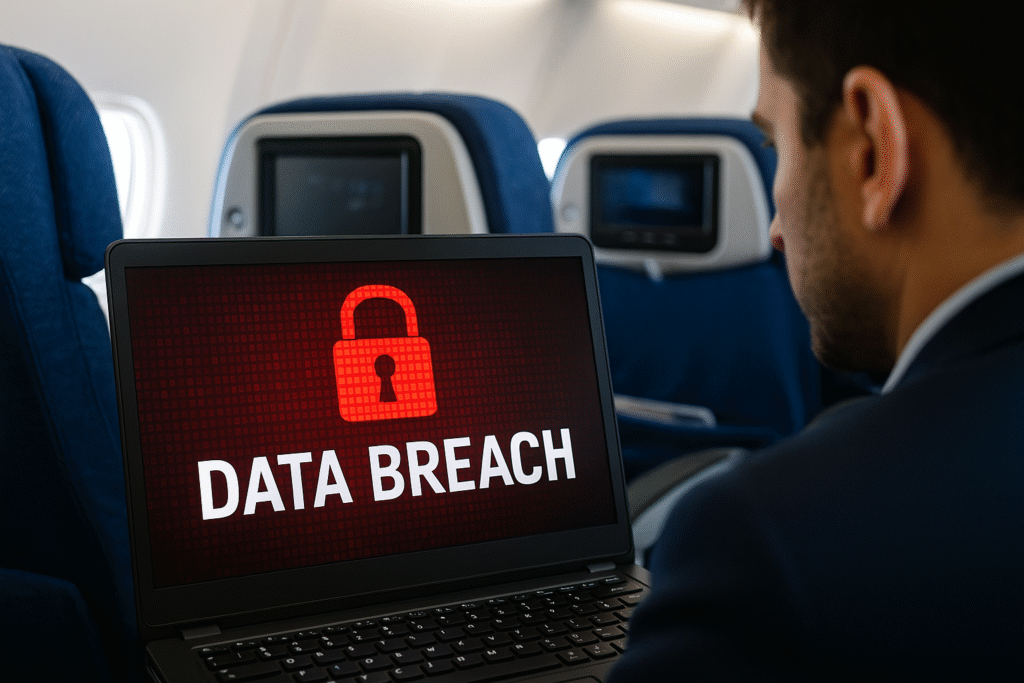
A major cyberattack on Iberia, Spain’s flagship airline, has triggered new concerns about digital safety in the travel sector. The incident, which occurred in late November 2025, exposed customer identities and loyalty program details. Though financial data remains safe, the breach highlights the growing risks faced by passengers as airlines expand their digital operations.
This event follows several similar attacks targeting major global carriers this year. With more airlines relying on external technology partners, cybersecurity gaps are widening. Travellers now face a higher risk of scams and phishing attempts after such breaches.
What Happened in the Iberia Cyberattack?
Iberia confirmed that hackers gained access to full names, email addresses, and loyalty card numbers of many customers. The compromised data came through a system managed by an external technology contractor. The airline emphasized that the hack did not expose passwords, payment data, or passport details.
The breach reflects a broader issue across the industry. Many airlines use multiple third-party systems for booking, loyalty programs, and digital operations. These systems often contain large volumes of personal data, making them prime targets for cybercriminals. Recent attacks on global carriers have shown that criminals increasingly exploit these supplier vulnerabilities.
How the Breach Affects Travellers
Even though financial information was not taken, the exposed personal data puts passengers at higher risk. Cybercriminals can use names and email addresses to create realistic phishing messages. These messages may mimic official airline communications and prompt users to share sensitive details or click harmful links.
Travellers may receive emails urging them to “confirm account details,” “update loyalty information,” or “verify identity.” Such messages may appear legitimate but can lead to identity theft.
Iberia urged passengers to stay alert. Any unexpected email, message, or request for personal information should be treated with caution. The airline also advised customers to report suspicious activity to its support team.
Iberia’s Response and Strengthening Security
In the days after the breach, Iberia implemented stronger verification measures for loyalty account updates. The airline also introduced tighter internal monitoring to prevent further unauthorized access.
The incident highlights the broader challenge airlines face. Many carriers depend on external technology providers for vital services. Yet these partners do not always have the same level of security as the airlines themselves. Experts have long called for stronger cybersecurity protocols and more frequent system audits across the aviation sector.
As airlines continue to modernize their operations, they must improve oversight of third-party vendors to avoid similar incidents.
Rising Cybersecurity Threats in the Airline Industry
The aviation industry is becoming a high-value target for digital criminals. Airlines store millions of customer records, including travel histories and loyalty points. As a result, cyberattacks on the sector are increasing in frequency and sophistication.
Regulations within Europe require companies to inform customers of any breaches quickly. Iberia followed these requirements by notifying affected users promptly. Despite this, the attack highlights the need for stronger cross-industry protection standards.
Governments and aviation bodies worldwide continue to urge airlines to adopt advanced encryption, multi-factor authentication, and real-time threat detection. Regular cybersecurity assessments remain essential to identifying vulnerabilities.
What Travellers Should Do Now
Travellers can take steps to protect their information. Simple precautions can significantly reduce the risk:
- Monitor email accounts for suspicious messages.
- Avoid clicking unfamiliar links or downloading attachments from unknown sources.
- Change passwords regularly, especially on travel-related accounts.
- Enable multi-factor authentication on loyalty or booking accounts.
- Ignore requests for personal information unless verified through official channels.
Even without financial data exposure, attackers can use basic identification information to attempt fraud. With phishing attacks increasing, travellers must stay alert when interacting with airline communications.
A Wake-Up Call for the Travel Sector
The Iberia cybersecurity incident is a reminder of the digital vulnerabilities that come with modern air travel. As airlines rely heavily on technology and external partners, the risk of exposure grows.
Passengers must stay cautious, while airlines must continue reinforcing security systems and monitoring third-party platforms. Although Iberia acted quickly to address the breach, the event underscores the need for stronger global cybersecurity standards.
For now, travellers should remain vigilant and take simple steps to keep their personal data safe while the aviation industry works toward better digital protection.
For more travel news like this, keep reading Global Travel Wire