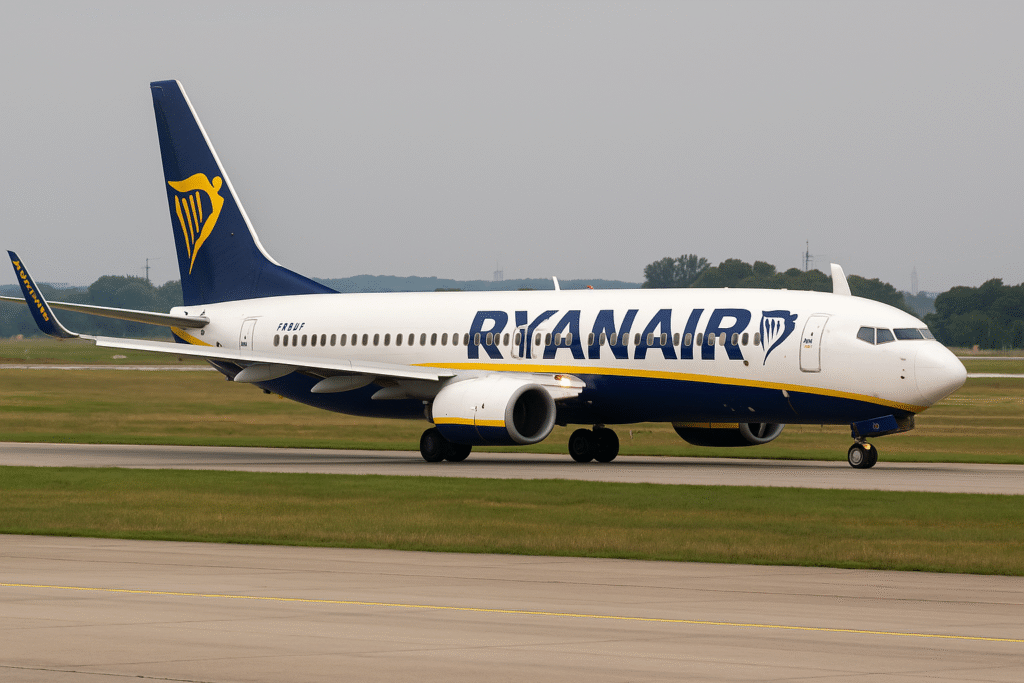
Ryanair has officially shut down its “Prime” subscription plan just eight months after launch. The decision surprised many travellers who relied on the scheme for annual savings. The airline said the plan became too costly to maintain, despite generating millions in subscription income. With the programme gone, many passengers may now face higher travel expenses, fewer bundled perks, and more unpredictable fare structures.
Why Ryanair Launched Prime
Ryanair introduced Prime in April 2025 as a value-focused subscription option. Travellers paid a one-time yearly fee of €79. In return, they received a monthly discounted fare offer, free seat reservation, and travel insurance for any booked flight. The airline marketed the scheme as a smart money-saving tool. Ryanair said members could save more than €400 yearly if they travelled often, with the plan paying for itself after about three round trips.
The idea aligned with global aviation trends. Many airlines were experimenting with subscription models to build loyalty and generate stable income. Ryanair expected around 250,000 members to join in the first year.
Why the Scheme Failed to Take Off
By late November, Ryanair admitted the programme was losing money. Only 55,000 people subscribed, far below the target. Even with €4.4 million in subscription revenue, the airline issued more than €6 million worth of discounts. The imbalance made the programme financially unviable.
Ryanair’s marketing team noted that managing Prime took considerable time and internal resources. With limited uptake, support costs outweighed the benefits. The airline chose to end the programme before losses grew.
What Happens to Current Subscribers
Travellers who joined Prime will keep their benefits until their subscription period ends. After that, all perks — including discounted fares, reserved seating, and travel insurance — will stop.
For many frequent flyers, this creates sudden changes in travel budgeting. Those who relied on Prime for predictable savings may now face higher annual expenses. Travellers who booked upcoming trips expecting discount perks need to check fare details and adjust their plans.
Impact on Travellers Across Europe
Higher Costs for Regular Flyers
Without monthly fare reductions and free add-ons, many travellers will need to pay standard ticket prices. Budget travellers who flew multiple times a year could see noticeable increases in annual spending.
Less Predictable Pricing
Subscription discounts often provide stability. Without them, passengers may need to monitor fare fluctuations more closely. Prices may shift based on demand, seasonality, and route changes.
Need for Smarter Booking Strategies
Travellers may now turn to early booking, flexible date planning, or alternative airports to maintain cost savings. In some cases, trains or combined rail-air itineraries may offer better value.
What This Means for the Airline Industry
Decline in Trust for Subscription Discount Models
The early cancellation of Prime may reduce confidence in airline subscription schemes. The aviation sector will likely revisit pricing models to avoid similar outcomes.
Other carriers testing subscription-based discounting may now hesitate to expand these offerings. The Ryanair case signals that loyalty schemes must balance value to customers with sustainable airline costs.
Possible Shift Toward À la Carte Pricing
Ryanair and other budget airlines may return to their core model: low base fares and optional paid add-ons. This structure keeps upfront costs low but can make the overall travel experience more fragmented.
Opportunities for Competitors
Rival airlines with loyalty programmes or fare-lock products may attract travellers leaving Ryanair Prime. Carriers offering flexible rewards, predictable discounts, or bundled services may gain market share.
Advice for Travellers Adjusting to the Change
Travellers should start reviewing future itineraries and budgeting for extra costs such as seat selection or travel insurance. Comparing fares across airlines will become more important. Flexibility, early booking, and monitoring seasonal promotions can help offset rising expenses.
Those who travel frequently may want to explore loyalty programmes from other carriers. While no subscription model guarantees long-term savings, some airlines offer reward points, tier benefits, and stable fare advantages.
The Broader Future of Budget Air Travel
The end of Ryanair’s Prime subscription highlights a changing landscape for low-cost aviation. Subscription programmes promise convenience and savings, but they must be operationally sustainable. Ryanair’s experience shows that heavy discounts, limited uptake, and high administrative demands can render such schemes unworkable.
Budget airlines may now refocus on expanding route networks, increasing flight frequency, and managing operational efficiency. Dynamic pricing, capacity adjustments, and seasonal scheduling may play a larger role in how fares evolve.
For travelers, this means the future of low-cost flying may remain competitive but less predictable. Savings will depend more on personal planning than on membership perks. While Ryanair may adjust its broader pricing strategy in response to the Prime setback, the overall European budget travel market will likely continue evolving toward flexible, demand-driven pricing.
For more travel news like this, keep reading Global Travel Wire