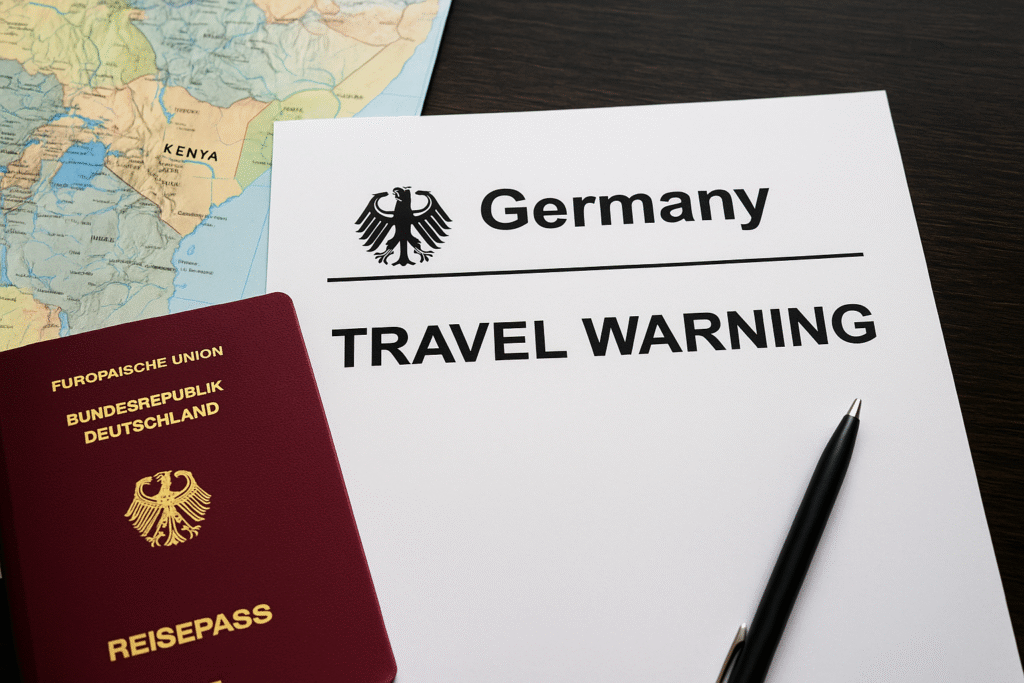
Germany has updated its travel guidance for Kenya, Tanzania, Malawi, Nigeria, Colombia, and Venezuela. The cautions follow increasing protests, political tension, and rising crime. Each country is experiencing security issues that could disrupt travel plans. The shift reflects broader global instability that is reshaping travel safety in key destinations.
Below is a detailed look at the current situation in each country and important advice for travelers.
Kenya: Heightened Terror Threats and Political Tension
Kenya remains a top African destination for wildlife tourism. However, the country faces rising threats linked to militant activity and political protests.
Security Outlook
Terrorism concerns are highest near the Somali border. Attacks linked to Al-Shabaab have affected regions such as Lamu and the coastal belt. Urban unrest has also grown. Protests in Nairobi and Kisumu often escalate quickly and disrupt transport, businesses, and tourist movement.
Traveler Tips
- Avoid protest zones and large gatherings.
- Limit movement in central Nairobi during periods of unrest.
- Use secure transport and avoid travel after dark near border regions.
Tanzania: Election-Linked Unrest and Emerging Extremist Activity
Tanzania is famous for Mount Kilimanjaro, Serengeti safaris, and its Indian Ocean coastline. The current advisory highlights political unease and isolated extremist threats.
Security Outlook
Terrorism risks have increased in the southern areas near Mozambique. Some extremist cells linked to the conflict in Cabo Delgado have influenced cross-border insecurity. Political protests around the recent election cycle created further concern in Dar es Salaam and other major cities.
Traveler Tips
- Avoid southern border regions and remote coastal areas.
- Monitor updates during political events.
- Choose trusted travel operators and avoid unlicensed taxis.
Malawi: Economic Strain Fueling Protests and Crime
Malawi is known for its friendly culture and scenic lake region. Yet, economic pressure has triggered social unrest.
Security Outlook
Fuel shortages, inflation, and public frustration have led to frequent demonstrations in Lilongwe and Blantyre. These events can turn violent without warning. Crime levels remain moderate, but theft and armed incidents have increased in cities and tourist zones.
Traveler Tips
- Track local news for protest alerts.
- Keep valuables secure, especially in crowded markets.
- Use safe transport and avoid isolated areas near nightfall.
Nigeria: Terrorism, Kidnappings, and Political Volatility
Nigeria is one of Africa’s most dynamic countries, but it also faces severe security challenges. These issues vary across regions and require careful planning.
Security Outlook
Northern states such as Borno, Yobe, and Adamawa face ongoing threats from Boko Haram and IS-linked groups. Kidnappings for ransom have surged. Crime in southern cities, including Lagos, is also a concern. Political tensions following recent elections continue to spark protests in several regions.
Traveler Tips
- Avoid northern conflict zones entirely.
- Stay alert in Lagos and Abuja, especially at night.
- Follow official guidance during political demonstrations.
Colombia: Border Conflicts and Rising Rural Crime
Colombia has transformed its tourism image in recent years. Cities like Medellín and Bogotá attract global visitors. However, instability remains in remote areas.
Security Outlook
Guerrilla groups such as the ELN and FARC dissidents remain active in rural and border zones. Risks include kidnappings, extortion, and clashes with state forces. Violent crime is more common in regions near Venezuela, the Pacific coast, and parts of the Amazon.
Traveler Tips
- Avoid border regions with Venezuela and Ecuador.
- Stay vigilant in busy tourist spots.
- Seek local advice before visiting rural attractions.
Venezuela: Deep Crisis and Severe Crime Levels
Venezuela faces one of the most severe political and economic crises in South America. Tourism has dropped sharply due to nationwide instability.
Security Outlook
Cities such as Caracas and Maracaibo experience high levels of violent crime. Kidnapping, robbery, and gang activity are widespread. Shortages of food and medicine add to daily risks. Border areas are particularly dangerous because of smuggling groups and criminal gangs.
Traveler Tips
- Avoid travel to Venezuela unless essential.
- If travel is unavoidable, stay away from crowded markets and busy streets.
- Arrange secure transportation before arrival.
What This Means for Travelers
Germany’s expanded advisory signals shifting challenges in these destinations. Travelers should prepare for unexpected disruptions, limited mobility during protests, and heightened crime in specific regions. Safety conditions can change quickly.
Before finalizing travel plans:
- Review updated travel notices from your local authorities.
- Register your trip with relevant government support services, if available.
- Maintain flexible itineraries and have backup options.
Staying Safe During Global Travel Uncertainty
Rising unrest and political changes remind travelers to stay alert and informed. While many parts of these countries remain open to tourism, caution is essential. By keeping track of developments, avoiding high-risk zones, and respecting local guidance, travelers can navigate these destinations more safely.
For more travel news like this, keep reading Global Travel Wire