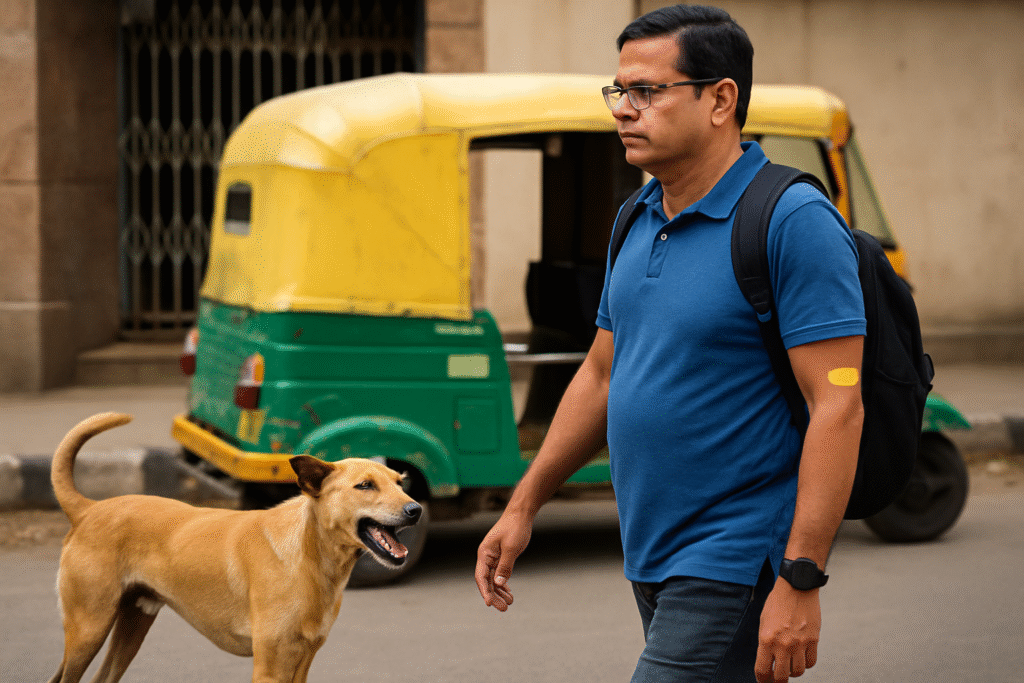
The Centers for Disease Control and Prevention (CDC) has released an urgent travel health alert for international visitors. India and Haiti have been identified as high-risk destinations for rabies exposure. The warning urges travellers to take stronger preventive steps as cases and treatment challenges rise worldwide.
Rabies remains one of the deadliest viral infections known. Once symptoms appear, it is almost always fatal. The new advisory highlights that travellers often underestimate the risks linked to stray animals and limited access to reliable medical care abroad.
Why India Is Now a High-Risk Destination
India continues to record one of the world’s highest burdens of human rabies. The CDC recently reported that a traveller returning from India to the United States was diagnosed with the disease, underscoring the seriousness of the threat.
Counterfeit Rabies Vaccines Reported
Authorities in India have uncovered falsified rabies vaccines circulating in major cities. Counterfeit doses may provide no real protection. With millions relying on urban clinics and pharmacies, the presence of fake vaccines increases danger for both residents and visitors.
High Exposure Risk from Stray Animals
India has a large stray dog population, particularly in busy markets, rural communities, and temple areas. Even seemingly friendly puppies or kittens can transmit the virus through bites or scratches. Contact with saliva on broken skin or mucous membranes also poses a risk.
Treatment Challenges
Some regions in India face shortages of rabies immunoglobulin—the critical first step after exposure. Even travellers with pre-exposure vaccination still require medical evaluation after any animal contact.
Haiti Also Flagged as a Rabies Concern
Haiti faces long-standing challenges with dog-mediated rabies. Limited veterinary control and gaps in vaccination campaigns contribute to a higher risk.
Increased Vulnerability Due to Limited Medical Access
Visitors may struggle to find high-quality post-exposure treatment in many areas. Supplies of rabies immunoglobulin and vaccines are inconsistent, making immediate medical care essential after any bite or scratch.
Wildlife and Domestic Animal Risk
Dogs remain the primary concern, but certain wildlife species can also carry the virus. Healthy-appearing animals may be infectious, making avoidance a key preventive step.
Essential Rabies Precautions for Travellers
1. Avoid All Animal Contact
Do not touch dogs, cats, monkeys, or any wild mammals. This applies even if the animal looks healthy. Young animals can carry the virus too.
2. Consider Pre-Travel Vaccination
Vaccination before exposure is strongly recommended for those planning:
- Rural travel
- Long stays
- Wildlife encounters
- Volunteering with animals
- Adventure travel or open-air activities
A pre-exposure series does not remove the need for treatment after a bite, but it simplifies care and increases chances of survival.
3. Know What to Do After a Bite or Scratch
Immediate action can save your life:
- Wash the wound thoroughly with soap and running water.
- Apply antiseptic if available.
- Seek medical care right away—even for small wounds.
Do not wait for symptoms. Rabies must be treated immediately.
4. Check Vaccine Authenticity
If vaccinated abroad, confirm the vaccine source is reputable. In areas where counterfeit products are circulating, request documentation and verify the brand name.
5. Plan for Emergency Medical Access
Consider travel insurance that includes medical evacuation, especially if visiting rural regions where treatment may be limited. This ensures quick transport to a facility equipped to handle rabies exposure.
Why the Warning Matters for Every Traveller
Rabies appeals to neither fear nor drama—it is a silent risk that often begins with a casual animal interaction. A street dog brushing past in New Delhi, a curious kitten near a Haitian beach, or a brief scratch during a market visit can all lead to life-threatening exposure.
The danger is not only the virus itself but the structural challenges: limited treatment availability, delayed medical response, and the rise of counterfeit vaccines. These factors make early prevention more critical than ever.
Travel Smart and Stay Protected
As global travel grows, understanding local health risks becomes essential. The CDC’s warning aims to strengthen awareness, not discourage exploration. India and Haiti continue to offer remarkable cultural, natural, and historical experiences. Staying alert, prepared, and informed ensures you can enjoy these destinations safely.
Avoid animal contact. Get vaccinated when appropriate. Act quickly if exposed. With informed precautions, travellers can protect themselves and prevent a life-threatening situation.
For more travel news like this, keep reading Global Travel Wire