Asian tourism and work travel to the United States is set to enter a new era of strict digital checks. Starting December 15, 2025, the United States will expand its online presence review for H-1B and H-4 visa applicants. This move brings added scrutiny for travelers from Thailand, India, China, Vietnam, South Korea, Japan, Taiwan, the Philippines, and several other Asian nations.
The shift highlights a growing trend in global travel security. Governments now consider a traveler’s digital footprint as important as traditional documents. For Asia’s top travel markets, this change introduces new steps and potential delays.
What the New Policy Means for Travelers
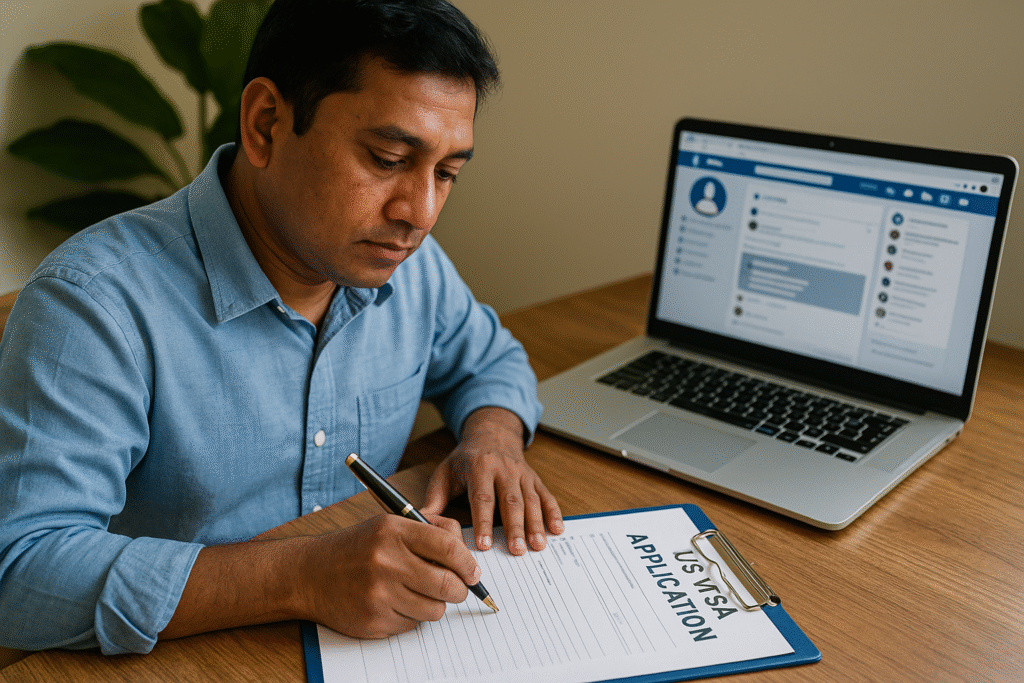
The updated rule requires all H-1B applicants, including dependents on H-4 visas, to undergo a detailed online presence check. Consular teams will examine publicly visible social media profiles, photos, comments, and online interactions.
Why the Change?
The US aims to strengthen national security by ensuring that incoming travelers do not pose risks based on their digital behavior or affiliations. This marks a major evolution in visa screening, building on earlier social media checks applied to student categories.
What Travelers Must Do Now
Applicants will need to keep their profiles public during the visa process. This ensures that consular teams can verify identity, check consistency, and examine online conduct.
Travelers from high-volume H-1B countries like India and China will feel the impact the most. These nations account for the majority of skilled worker visas, and any slowdown in approvals can affect personal travel, education plans, and global workforce mobility.
Tourism Impact Across Asia
While the new policy mainly targets work visas, the travel ripple effect is unavoidable. Tourism boards across Asia are already preparing for slower outbound travel to the US during peak seasons.
India and Thailand in the Spotlight
India remains the largest source of H-1B talent, and Thailand is one of Asia’s rising outbound travel markets. Both countries now face stricter checks for workers planning long-term stays in the US.
Tourism experts warn that extended visa timelines could influence traveler confidence. Families planning leisure trips tied to work-related travel may adjust itineraries or postpone travel.
Countries Most Affected in Asia
The impact varies across Asia, but the highest pressure falls on nations with strong professional links to the United States:
- India – The largest group of H-1B holders, especially in IT and engineering.
- China – Strong presence in tech, education, and research sectors.
- Philippines – Healthcare and outsourcing professionals form a significant portion of applicants.
- South Korea, Taiwan, Japan – Notable presence in electronics, automotive, and research fields.
- Vietnam, Thailand, Malaysia, Indonesia – Growing number of applicants transitioning from study to work.
For many Asian travelers, the US remains a prime destination for tourism, education, and professional opportunities. This policy shift may reshape travel planning trends in the region.
Possible Delays and Screening Challenges
The expanded vetting will likely slow visa processing times, even when applicants have clean profiles.
Longer Interview Wait Times
Embassy appointment backlogs may increase as officers spend more time checking online footprints. Travelers may need to book visa dates far earlier than usual.
Additional Questions or Requests
Travelers could face follow-up interviews if any online content appears unclear or inconsistent with visa information.
Travel Plan Disruptions
Delays may affect work return dates, planned vacations, or travel tied to holiday periods, graduations, or job starts.
Guidance for Asian Travelers Planning US Trips
Tourism agencies suggest travelers prepare early to avoid surprises.
Review Social Media Content
Delete old posts that may be misinterpreted. Ensure profile names match passport details. Keep content professional.
Set Profiles to Public
The US requires public visibility during the application stage. Travelers should double-check privacy settings.
Plan Travel Months Ahead
Book appointments early, especially if traveling during Christmas, New Year, or summer.
Keep Documents Consistent
Ensure that job titles, travel history, and educational records match online information.
How Employers in Asia Should Prepare
Companies that send staff to the US for meetings, training, or long-term assignments will need to adjust their planning.
Early Communication
Employees should be informed about new digital requirements well before travel.
Travel Buffer Time
Firms should allow extra time for visa processing, especially for workers with frequent travel schedules.
Online Conduct Training
Some organizations may begin offering digital etiquette workshops to help workers manage their online presence responsibly.
What’s Next for US-Bound Asian Tourists?
As the introduction date approaches, travelers from Thailand, India, China, South Korea, Japan, Vietnam, and the Philippines will need to stay alert to new rules. Digital transparency will play a major role in visa decisions. For many, it will redefine how they prepare for overseas trips.
While the US remains a top travel and work destination, this shift signals a more cautious era in global movement. Travelers who adapt early will enjoy smoother journeys and stress-free travel planning.
For more travel news like this, keep reading Global Travel Wire