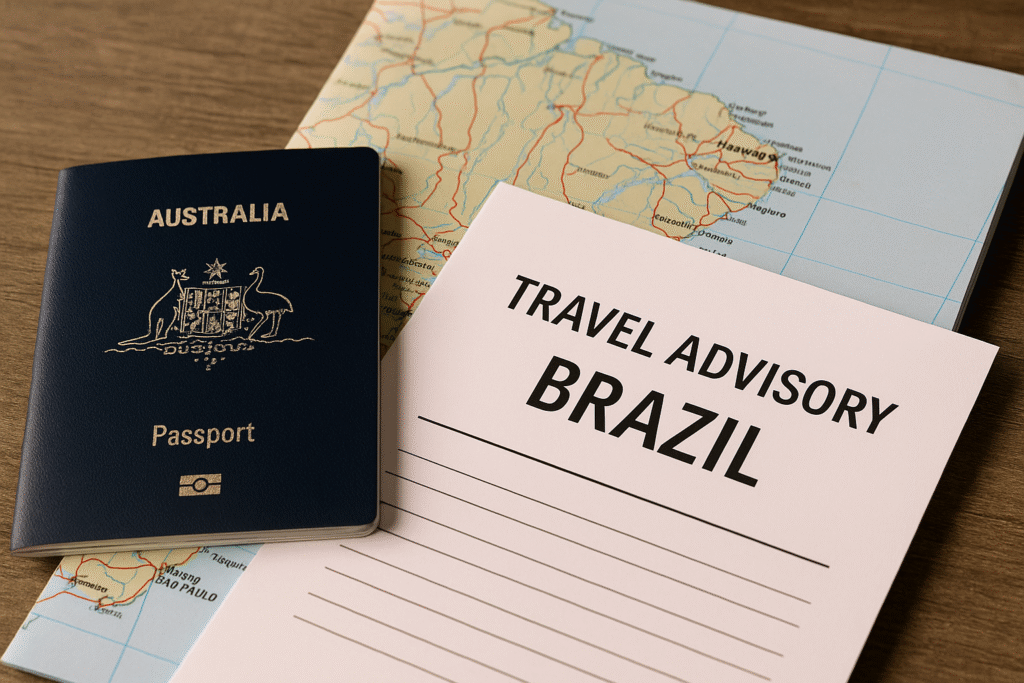
Australia has released a strengthened travel advisory for Brazil, urging tourists to prepare carefully before planning any trip. The notice highlights growing crime risks, strict border rules, and health concerns that may influence movement across major cities and tourist regions. Travellers are encouraged to stay informed, review entry requirements, and plan routes with safety in mind. The advisory also reminds visitors to remain alert in crowded zones, where incidents tend to rise during festivals and holiday periods.
Safety Risks in Major Brazilian Cities
Safety remains a primary concern for tourists entering Brazil. Crime levels vary across regions, but major cities face consistent challenges. The advisory notes that visitors should stay alert in all busy areas and avoid venturing into isolated locations.
Violent Crime and Urban Risks
Incidents such as mugging, armed robbery, and carjacking occur in many urban centres. Criminal groups often target travellers near transport hubs, nightlife districts, and waterfront areas. Petty theft is also common in crowded spots, including beaches and markets. Tourists are advised to limit displays of valuables and keep bags secure at all times.
Risks Increase During Festivals and Events
During Carnival and other large cultural celebrations, streets become packed with locals and visitors. These events offer vibrant experiences but also attract criminals. Extra caution is necessary, especially at night.
Avoiding Favelas and Restricted Zones
Authorities discourage tourists from entering favelas, even with licensed tour operators. Security conditions can shift quickly. Driving routes should be checked in advance to avoid accidentally entering high-risk areas. Drivers should keep windows closed, doors locked, and navigation apps updated.
Alcohol-Related Dangers and Drink Safety
Reports of methanol poisoning and drink spiking have risen. Tourists should order beverages from reputable venues and never leave drinks unattended. Nightlife districts require added vigilance.
Transport Safety Measures
Official taxis and verified rideshare services are the safest options. Travellers should confirm vehicle details before entering. Card payments must be reviewed to avoid incorrect charges. Road conditions may worsen during heavy rain, which can lead to landslides, flash floods, or long traffic delays.
Protests and Civil Disruptions
Public demonstrations may occur without warning. These events can block major roads and disrupt airport access. Travellers should follow local news updates and adjust plans when necessary.
Health Risks and Medical Precautions
Health considerations are a major component of the advisory. Brazil faces a mix of infectious diseases that vary by region and season.
Vaccination Readiness
Health agencies continue to report measles cases, making immunisation important for all visitors. Yellow fever vaccination remains strongly recommended for travel to many regions, including parts of the Amazon and central Brazil.
Mosquito-Borne Diseases
Diseases such as dengue, malaria, chikungunya, and Zika virus circulate in several states. Tourists should wear long sleeves, use insect repellent, and avoid areas with standing water. Outdoor activities, especially near forests and rivers, require added protection.
Food and Water Hygiene
Contaminated food and water can spread gastrointestinal illnesses. Bottled or boiled water is safest. Street food should be selected carefully, and raw seafood or undercooked meat should be avoided.
General Health Concerns
Visitors engaging in high-risk behaviour must remain aware of HIV/AIDS and other sexually transmitted infections. Medical facilities vary across regions, and rural clinics may have limited services.
Understanding Local Laws and Cultural Expectations
Local laws can be strict, and penalties are often severe. Familiarity with Brazil’s regulations helps prevent legal issues during travel.
Drug Laws and Identification Rules
Illegal drugs must not be carried or used. Offences can lead to long prison terms. Tourists should also carry photo ID, such as a driver’s licence and a copy of their passport, at all times.
Rules for Dual Nationals
Dual Australian–Brazilian nationals must enter and leave using a Brazilian passport. Males over 18 with Brazilian nationality may face military service obligations.
Social Customs and Behaviour
Same-sex relationships are legal. However, acceptance may vary in rural and conservative regions. Public displays of affection should be considered with cultural sensitivity. Brazil enforces zero-tolerance laws for drinking and driving.
Entry Rules and Travel Documentation
Brazil maintains firm entry regulations that travellers must meet before arrival.
Visa and Passport Requirements
A valid visa is required for many nationalities, including Australians. It must be obtained before travel, as airports do not issue visas on arrival. Visitors with insufficient documents may be returned on the next available flight.
Passports should have at least six months of validity at entry. Enforcement can vary, so early renewal is recommended.
Rules for Children and Dual Citizens
Brazilian children travelling without both parents need official permission to depart the country. This requirement also applies to dual nationals under 18.
Reporting Lost Documents
Lost passports must be reported promptly. Australian travellers can contact the nearest consular office for guidance and emergency documents.
Consular Assistance for Australians in Brazil
Australia provides consular support through its embassy in Brasília and the Consulate-General in São Paulo. Limited services are available at the Honorary Consulate in Rio de Janeiro. Travellers are encouraged to keep these contact details accessible.
For more travel news like this, keep reading Global Travel Wire