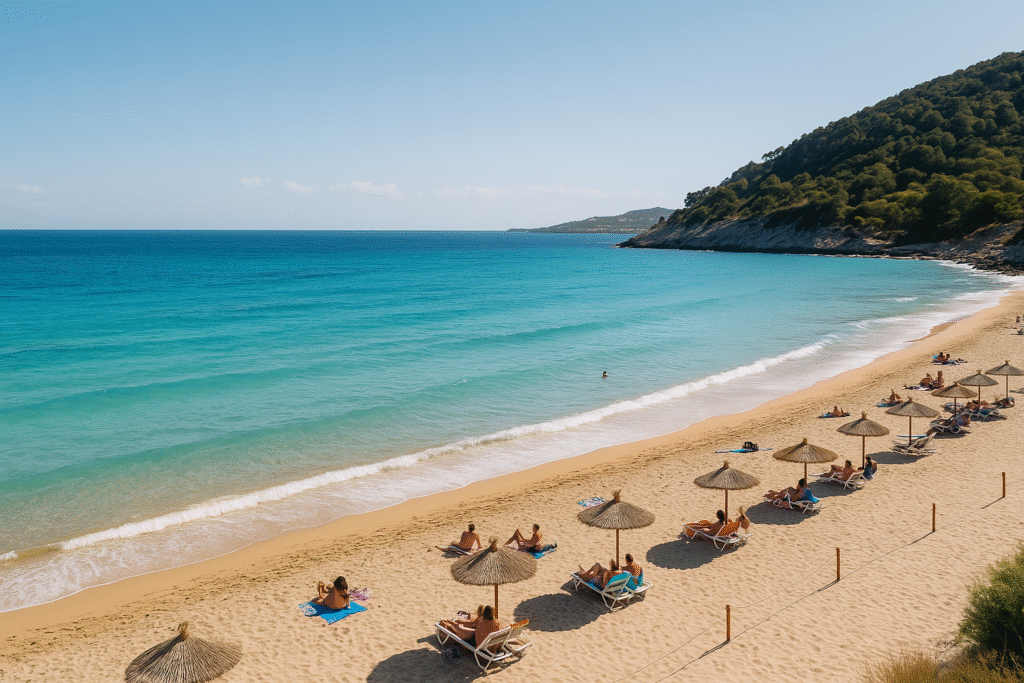
Majorca, one of Spain’s most visited Mediterranean destinations, is preparing to introduce a sweeping set of beach regulations in 2026 aimed at preserving the tranquillity of its coastline. The island, long celebrated for its sandy bays, turquoise waters, and vibrant summer tourism, now faces mounting pressure from overtourism, noise pollution, and overcrowded beaches. As a response, local authorities are implementing stricter rules intended to protect both visitors and residents while safeguarding the island’s natural environment.
Under the proposed framework, beaches such as those in Puerto Soller will see major changes, including bans on loud music, beach sports, and unregulated vendors. Authorities emphasise that the goal is not to restrict enjoyment but to restore order and ensure that the island’s coastal spaces remain welcoming and peaceful.
What the 2026 Regulations Will Change for Tourists
Puerto Soller, a scenic resort town framed by mountains and a sweeping bay, is at the centre of these new rules. Its popularity among international travellers—especially visitors from the UK—has grown steadily over recent years. With increased footfall, however, the beach has also become a hotspot for noise, overcrowding, and uncontrolled commercial activity.
Key Restrictions Coming into Force
1. Ban on Disruptive Beach Sports
Games such as football, tennis, and volleyball will no longer be permitted if they disturb other beachgoers. Authorities argue that flying balls, crowded matches, and lively team sports have increasingly led to accidents and complaints.
2. No Loud Music or Speakers
Portable speakers, radios, and amplified music devices will be prohibited. The decision responds to rising visitor concerns over noise levels, especially during peak summer days when beaches are packed.
3. Tighter Rules on Water Activities
Water sports—especially those involving boards or inflatables—will be banned in areas reserved solely for swimmers. This aims to reduce safety risks and create clearer zones for families and children.
4. Ban on Glass Containers and Improper Waste Disposal
Glass bottles, hazardous waste, and inappropriate disposal of liquids will be strictly controlled. These measures are meant to minimise injuries and keep beaches clean.
5. Street Vendors Removed from the Beaches
Unlicensed vendors selling drinks, food, or souvenirs will be banned completely. The fines for selling without authorisation may range from €750 for minor violations to €1,500 for more serious offences.
The most severe violations, such as operating boats within swimming zones, could result in fines of up to €3,000, sending a strong signal that safety and order are paramount.
Why Majorca Is Making These Changes
Majorca has long been a magnet for international tourism, with millions visiting annually to enjoy its Mediterranean climate and extensive coastline. In 2025, more than 3.5 million British travellers alone visited the island—one of the highest figures on record.
But with popularity comes pressure. Local residents have raised concerns about noise pollution, environmental degradation, beach saturation, and the growing strain on public services. Many coastal communities, including Puerto Soller, have struggled to balance tourism revenue with the protection of daily life.
The new rules form part of a broader sustainability initiative designed to reposition Majorca as a high-quality, respectful tourism destination rather than a hotspot for uncontrolled summer activity.
Political Debate and Community Reactions
Not everyone is aligned with the new measures. Members of the local Socialist Party (PSIB) argue that some restrictions may be excessively harsh and could reduce enjoyment for families, residents, and long-time visitors. They stress the importance of fostering coexistence rather than imposing rigid controls.
However, supporters of the regulations emphasise that quieter, cleaner beaches will benefit all users. They note that without stronger management, the island risks losing its natural charm, and its communities may become increasingly frustrated with seasonal surges in irresponsible behaviour.
A Larger Strategy to Address Overtourism
Majorca’s beach reforms do not stand alone. In recent months, the island has introduced several complementary policies:
- A ban on party boats to curb rowdy tourism offshore
- A moratorium on opening new hostels in Palma to control accommodation density
- Increased inspections to prevent illegal holiday rentals
- Fines for antisocial behaviour such as public drunkenness, street fighting, and excessive noise
These measures reflect a growing shift in Europe’s most-visited destinations, many of which are reassessing their approach to high-volume tourism. Majorca’s leaders aim to create a more balanced visitor economy that prioritises environmental protection, cultural respect, and long-term sustainability.
What Tourists Should Expect in Summer 2026
Visitors planning beach holidays in Majorca for 2026 can expect a more regulated, serene environment. Families may enjoy quieter sands, safer swimming zones, and cleaner surroundings. However, travellers accustomed to beach games, portable speakers, or street vendors will need to adjust their expectations.
The affected coastline stretches from Llatzaret to the Antoni Montis promenade, one of Puerto Soller’s most visited sectors. Once approved, signage, patrols, and public-awareness campaigns will help educate tourists about the new rules.
For travellers prioritising relaxation, nature, and peaceful coastal scenery, these changes may enhance the appeal of Majorca’s beaches. Those seeking lively, entertainment-heavy environments may instead gravitate toward areas that maintain a more active atmosphere.
A Redefined Future for Majorca’s Tourism Identity
As Majorca prepares for the 2026 summer season, the island is signalling a firm commitment to sustainable tourism and community well-being. By imposing structured regulations and significant fines, the island aims to protect its natural assets while promoting a more harmonious coastal experience.
Whether these changes transform Majorca’s beaches into quieter sanctuaries or spark further debate, one thing is clear: the island is redefining how visitors interact with its coastline — offering a more mindful, balanced approach to Mediterranean tourism.
For more travel news like this, keep reading Global Travel Wire